


Is Email Affiliate Marketing Worth It in 2025? Complete ROI Guide
Discover if email affiliate marketing is worth your time and investment in 2025. Learn ROI metrics, best practices, and how to build profitable email campaigns ...
11 min read


Master email marketing for affiliates with proven strategies to build subscriber relationships, segment lists, and increase conversions.
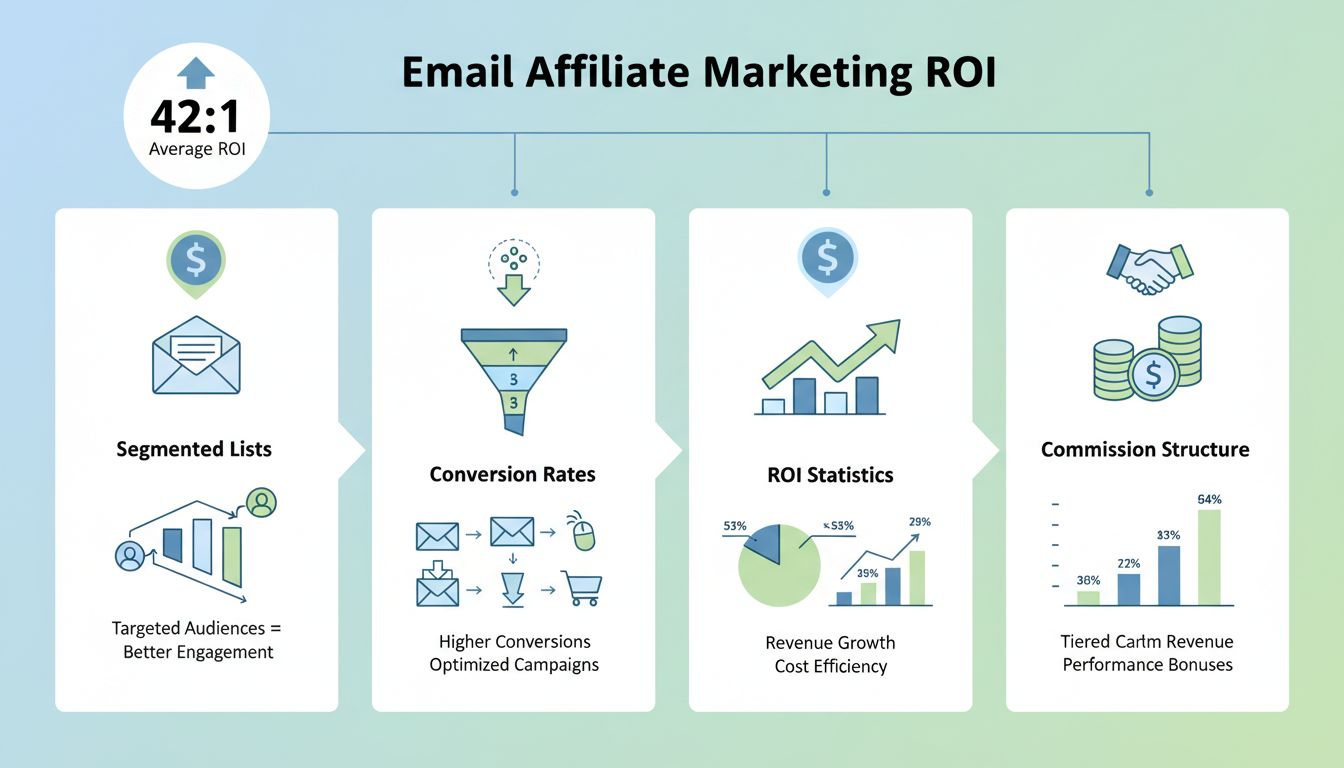
Email marketing delivers an impressive $36 return for every $1 spent, making it one of the highest-ROI channels available to affiliate marketers today. For affiliates, email is the only marketing channel where you own the direct relationship with your audience—you’re not dependent on algorithm changes, platform policies, or intermediaries taking a cut. Unlike social media followers or search engine traffic, your email list is a true business asset that you control completely. This direct access to subscribers creates unprecedented opportunities to build trust, demonstrate expertise, and recommend products that genuinely solve their problems. In this guide, we’ll explore how to leverage email marketing to maximize your affiliate revenue while building lasting relationships with your audience.
The foundation of profitable affiliate email marketing is authentic relationship building, not transactional selling. Subscribers don’t care about your affiliate commissions—they care about solutions to their problems and genuine value. The 80/20 rule is your north star: 80% of your emails should provide pure value with no sales intent, while only 20% should include affiliate recommendations or promotional content. This approach transforms your email list from a sales channel into a trusted resource that subscribers actually look forward to hearing from.
When you prioritize value-first communication, several powerful things happen:
Here’s how the value-first approach compares to sales-heavy tactics:
| Approach | Open Rate | Click Rate | Unsubscribe Rate | Long-term Relationship |
|---|---|---|---|---|
| Value-First (80/20) | 25-35% | 3-5% | <0.5% | Strong & Growing |
| Sales-Heavy | 10-15% | 0.5-1% | 2-5% | Declining |
The data is clear: subscribers who receive consistent value stay engaged, open more emails, and click more links—even when those links are affiliate recommendations. This is the paradox of affiliate email marketing: you make more money by focusing less on making money.

Set up advanced tracking in minutes. No credit card required.
Overselling is the fastest way to destroy an email list’s profitability. When you bombard subscribers with constant affiliate links and promotional pitches, you trigger two destructive outcomes: high unsubscribe rates and spam folder placement. Email providers track engagement metrics closely, and declining open rates signal that your content isn’t wanted, automatically damaging your deliverability. Beyond the technical consequences, overselling erodes the psychological trust you’ve built with your audience—once subscribers feel manipulated, they’re gone for good. The 80/20 rule prevents this by ensuring that affiliate recommendations feel like natural suggestions from a trusted friend, not desperate sales pitches. Instead of blasting promotional emails, use storytelling to weave affiliate products into genuine narratives about problems and solutions. Quality recommendations from a trusted source convert far better than quantity-based bombardment, and your long-term revenue will reflect this approach.
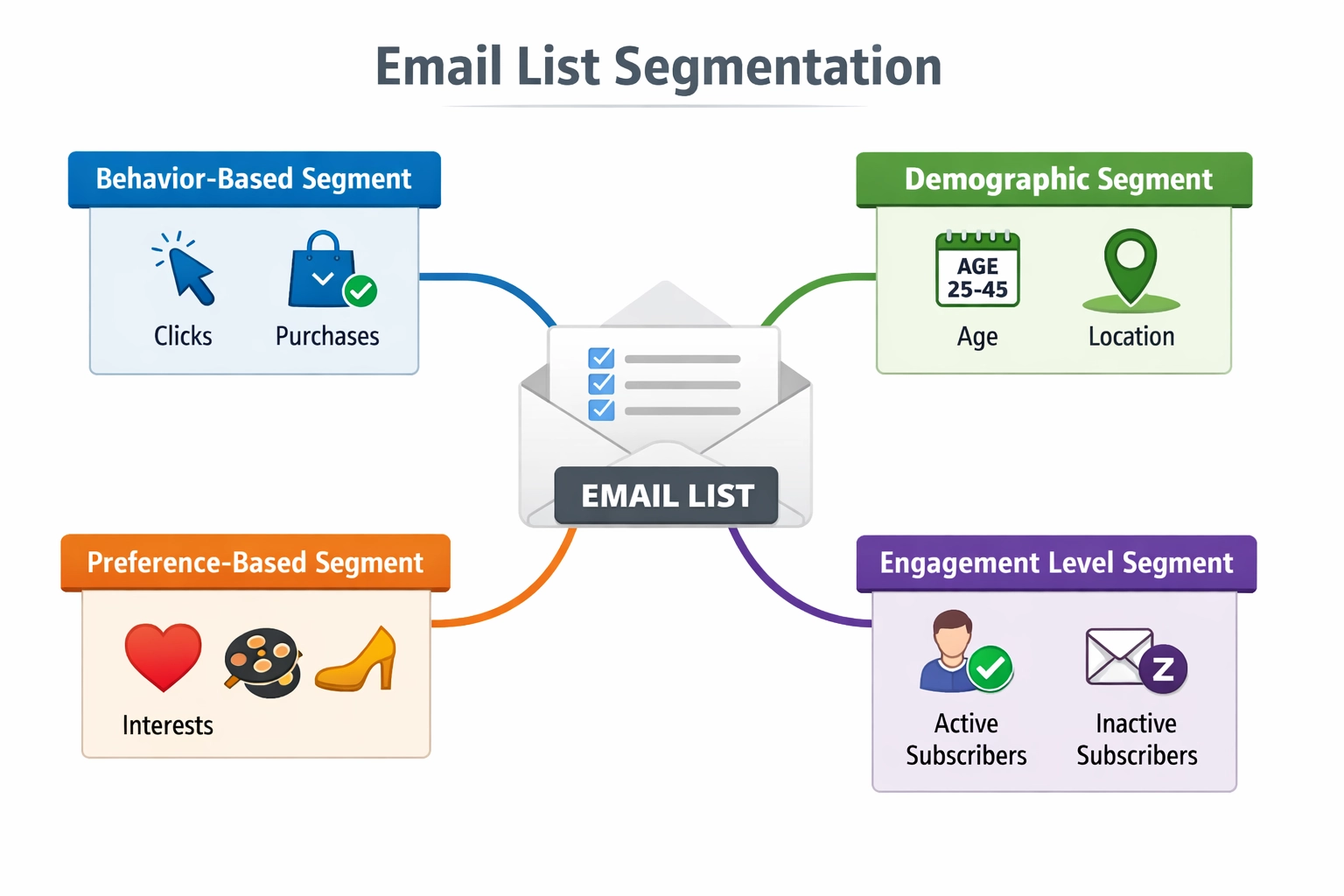
Segmentation is the difference between mediocre email marketing and exceptional affiliate revenue. When you send the same email to your entire list, you’re ignoring the fact that subscribers have different interests, behaviors, and needs. Segmented campaigns consistently outperform broadcast emails by 40-70%, and the investment in segmentation pays dividends immediately. There are three main approaches to segmentation that work exceptionally well for affiliate marketers:
Each segmentation approach offers different advantages depending on your affiliate niche and audience composition:
| Segment Type | Implementation Difficulty | Expected Engagement Lift | Best Use Cases |
|---|---|---|---|
| Behavior-Based | Medium | 40-60% | Product recommendations, re-engagement |
| Demographic | Low | 20-30% | Localized offers, age-specific products |
| Preference-Based | Medium | 50-70% | Niche content, specialized products |
| Engagement Level | Low | 30-50% | Re-engagement campaigns, VIP treatment |
Behavior-based segmentation is particularly powerful for affiliates because it targets subscribers based on their demonstrated interests—someone who clicked your productivity software recommendation is far more likely to be interested in related tools. Preference-based segmentation allows you to create hyper-relevant campaigns for niche audiences, dramatically improving conversion rates. Start with engagement level segmentation (it’s the easiest to implement) and gradually layer in more sophisticated approaches as your list grows.
Be the first to know about new features and product updates.
Your email list’s quality and size depend entirely on the quality of your lead magnet—the free resource you offer in exchange for email addresses. A mediocre lead magnet attracts tire-kickers and unengaged subscribers; a valuable, highly-relevant lead magnet attracts qualified prospects who are genuinely interested in your niche. The best lead magnets for affiliate marketers solve a specific problem that directly relates to the products you’ll eventually recommend. eBooks and comprehensive guides work well for building authority, checklists and templates provide immediate practical value, webinars and video trainings create deeper engagement, and tools and calculators offer interactive value that subscribers remember. Your lead magnet should be so useful that subscribers feel they got a steal, creating positive sentiment before you ever send a promotional email. The conversion optimization principle applies here too: test different lead magnet formats, track which ones attract the most engaged subscribers, and double down on what works. A smaller list of highly-engaged subscribers from a premium lead magnet will generate more affiliate revenue than a massive list of disinterested subscribers.
Consistency in your sending schedule trains subscribers to expect and anticipate your emails, improving open rates and engagement. Whether you send weekly, bi-weekly, or monthly, pick a schedule you can maintain indefinitely and stick to it religiously—inconsistent senders get forgotten and unsubscribed. Beyond frequency, content mix variety keeps your list engaged and prevents the monotony that leads to unsubscribes. Rotate between educational content, entertaining stories, case studies, industry news, and yes, occasional affiliate recommendations. Track the metrics that matter: open rates reveal subject line effectiveness and overall list health, click-through rates show which topics resonate most, conversion rates prove which affiliate recommendations actually drive sales, and unsubscribe rates indicate whether your content mix is off-balance. Most email platforms provide detailed analytics, but the key is reviewing this data weekly and making adjustments based on what you learn. Consistency combined with quality creates a virtuous cycle where engagement improves, deliverability improves, and revenue improves.
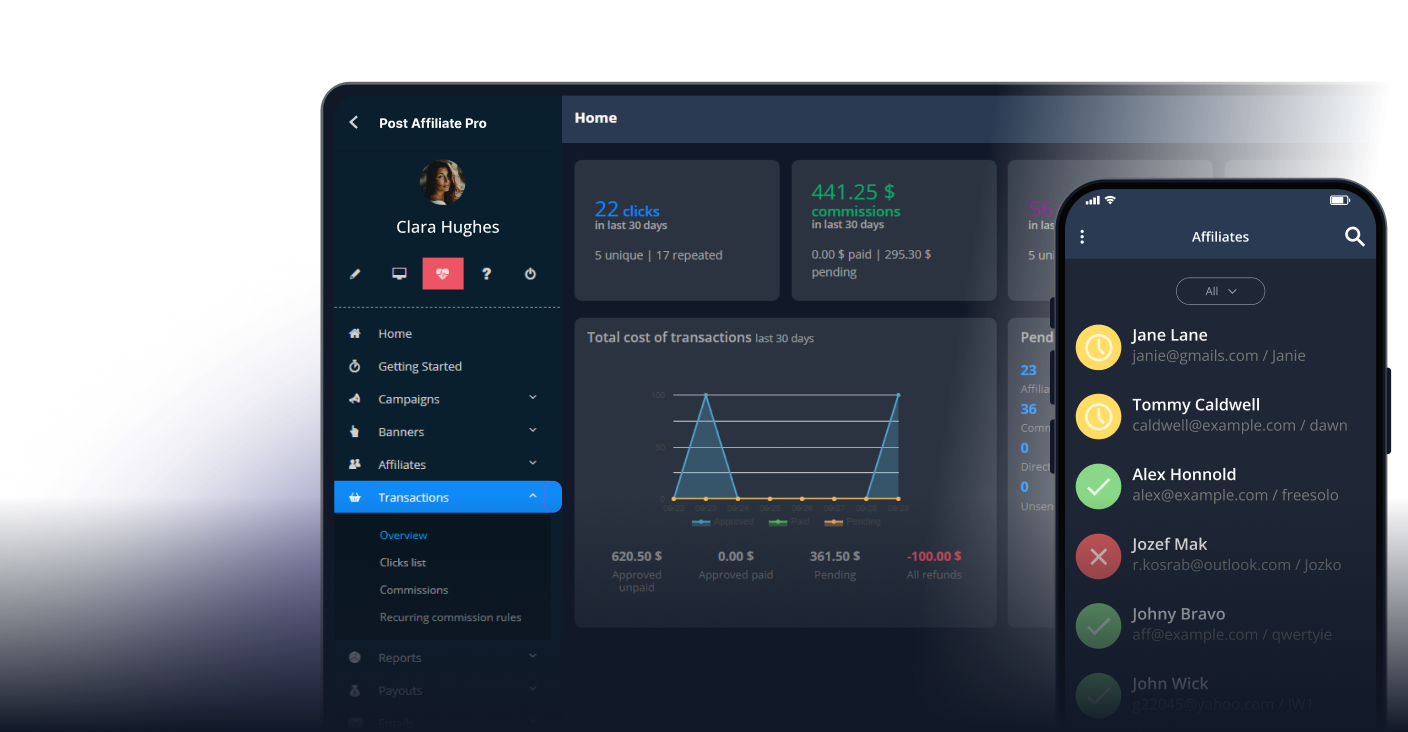
The right tools multiply your email marketing effectiveness without multiplying your workload. Email testing tools like Litmus and Email on Acid help you preview campaigns across different clients and devices before sending. Copywriting tools like Grammarly ensure your emails are error-free and professional, while Hemingway Editor helps you write with clarity and punch. Automation platforms like Mailchimp, ConvertKit, and ActiveCampaign handle the heavy lifting of sending sequences, segmenting lists, and tracking performance. These platforms integrate with your website, landing pages, and e-commerce systems to automatically tag subscribers based on their behavior. Advanced analytics dashboards show you exactly which emails drive the most affiliate revenue, allowing you to replicate success. For affiliate marketers specifically, PostAffiliatePro provides specialized tracking and management features that integrate seamlessly with your email campaigns—you can track which email campaigns drive affiliate conversions, attribute revenue to specific messages, and optimize your affiliate strategy based on real performance data. The combination of a robust email platform, copywriting tools, and affiliate-specific tracking software creates a complete system for maximizing email ROI.
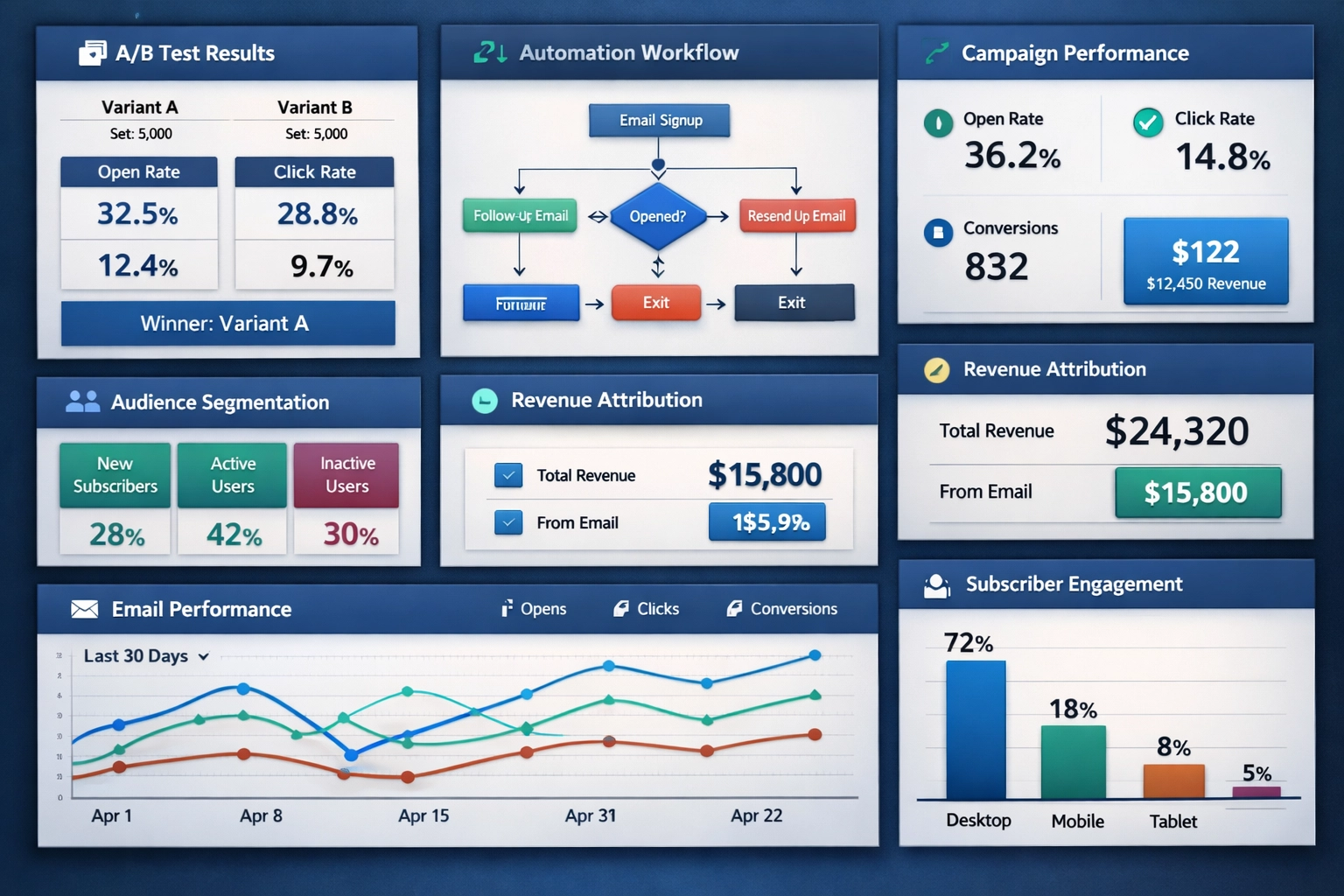
Automated email sequences are the leverage that turns a one-time email into a revenue-generating machine that works 24/7. A well-designed sequence introduces new subscribers to your expertise, builds trust progressively, and naturally leads them toward affiliate recommendations. The most effective sequences follow a proven structure that moves subscribers from awareness to consideration to decision. Here’s a framework that works exceptionally well for affiliate marketing:
Timing is critical—space these emails 2-3 days apart to maintain momentum without overwhelming subscribers. IP warming is essential when you first start sending: begin with small batches and gradually increase volume to establish a positive sender reputation. Most email platforms automate this entire sequence, meaning once you write it once, it works for every new subscriber indefinitely. The beauty of sequences is that they scale: your first sequence might convert 5% of new subscribers into affiliate customers, but as you refine it based on performance data, that conversion rate climbs to 8%, 10%, or higher.
Affiliate disclosure is not optional—it’s a legal requirement and a trust-building opportunity. The FTC requires clear, conspicuous disclosure of affiliate relationships, and failing to disclose can result in fines and reputational damage. Beyond legal compliance, transparency actually increases trust: subscribers appreciate honesty about your financial incentives, and it makes your recommendations feel more authentic. CAN-SPAM regulations require that you include your physical address, honor unsubscribe requests within 10 days, and use accurate subject lines. GDPR compliance is essential if you have European subscribers—you must have explicit consent to email them and provide easy data access and deletion options. The best practice is to include a simple affiliate disclosure in your email signature or footer (something like “Some links in this email are affiliate links, and I earn a commission if you purchase through them”), and always prioritize subscriber privacy and preferences. Compliance isn’t a burden—it’s the foundation of a sustainable, profitable email marketing business.
Key performance indicators tell you whether your email strategy is working and where to focus your optimization efforts. Track open rates to gauge subject line effectiveness and overall list health, click-through rates to identify which topics and products resonate most, conversion rates to measure actual affiliate revenue per email, and unsubscribe rates to ensure your content mix isn’t driving people away. Continuous A/B testing is non-negotiable: test subject lines, send times, email length, CTA button colors, and affiliate product recommendations to find what works best for your specific audience. Data-driven decisions replace guesswork—if one email format consistently outperforms others, make it your standard; if a particular affiliate product generates 10x the conversions of another, feature it more prominently. Actively solicit subscriber feedback through surveys and reply-to-email conversations to understand what content they value most. The most successful affiliate email marketers treat their strategy as a living experiment, constantly measuring, learning, and iterating based on real performance data. Over time, this disciplined approach compounds into a highly-optimized system that generates consistent, predictable affiliate revenue.
Email marketing remains the highest-ROI channel for affiliate marketers because it’s built on genuine relationships, not algorithms or paid ads. By following the strategies outlined in this guide—building trust through value, segmenting strategically, automating intelligently, and optimizing continuously—you’ll create a sustainable, profitable email marketing business. The key is to remember that your subscribers are real people with real problems, and your job is to help them solve those problems. When you do that authentically, affiliate revenue follows naturally.
PostAffiliatePro provides powerful email tracking, subscriber management, and affiliate link optimization tools to help you build stronger relationships with your audience and increase conversions.
Discover if email affiliate marketing is worth your time and investment in 2025. Learn ROI metrics, best practices, and how to build profitable email campaigns ...

Launching an affiliate email marketing campaign might be challenging at the beginning. Check out our affiliate tips for a prosperous email campaign.
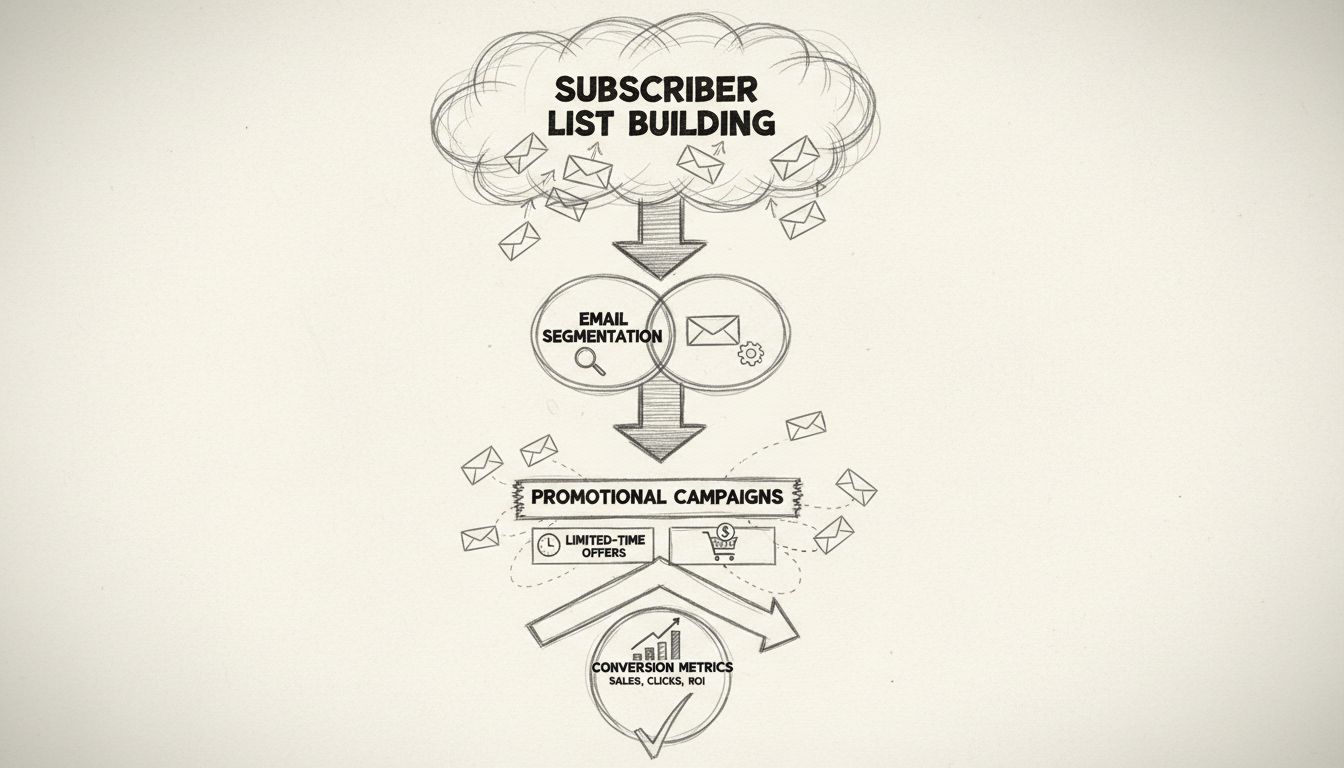
Learn how affiliates can effectively use email marketing to promote products, build subscriber lists, segment audiences, and maximize conversions with limited-t...
Join our community of happy clients and provide excellent customer support with Post Affiliate Pro.



Cookie Consent
We use cookies to enhance your browsing experience and analyze our traffic. See our privacy policy.