



Does It Cost Anything to Be an Affiliate? Cost Breakdown
Discover whether affiliate programs are free to join and what optional costs you might incur. Learn realistic budgets for affiliate marketing strategies.
9 min read

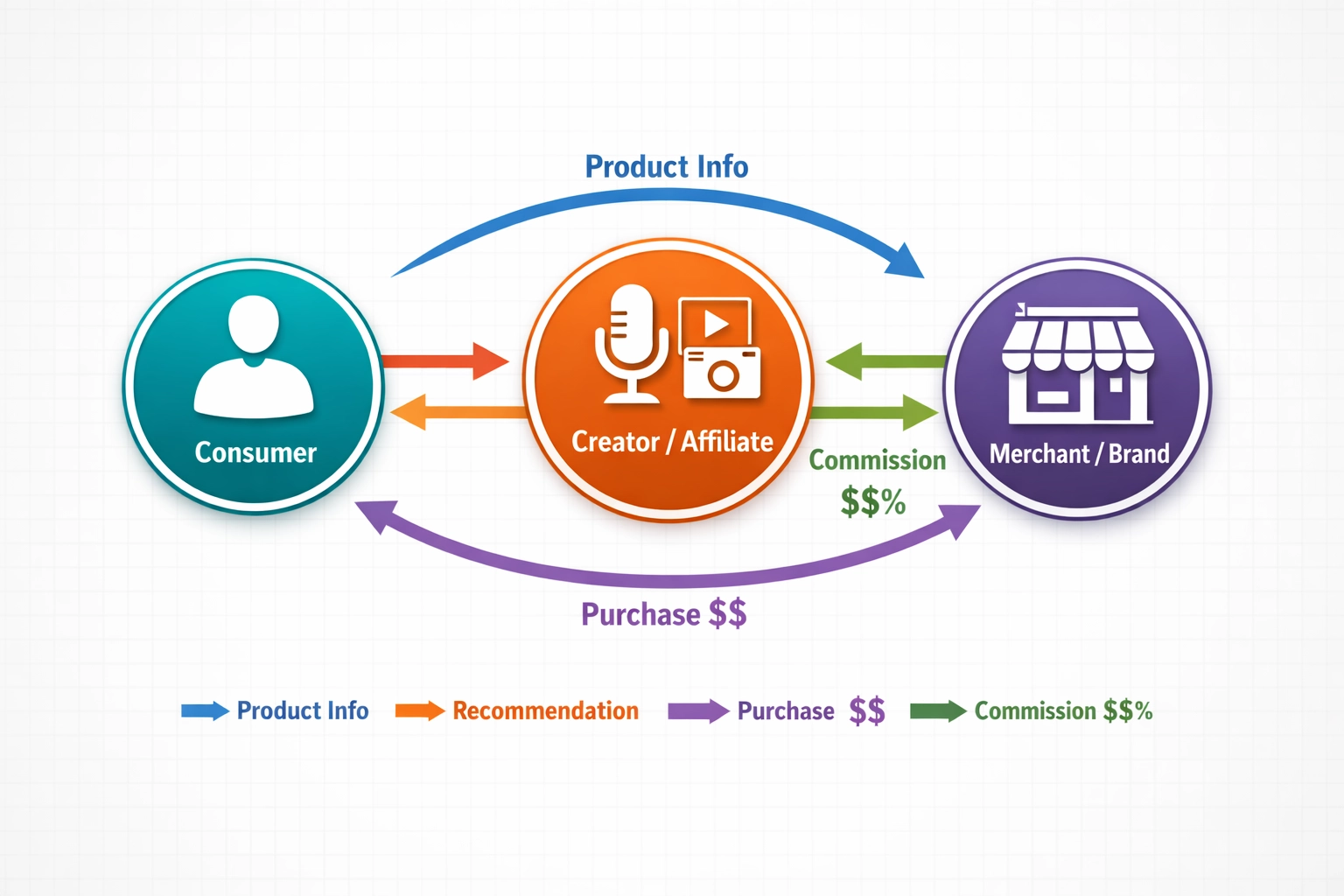
Learn how affiliate marketing affects consumer prices and why purchasing through affiliate links supports creators at no extra cost to you.
When you click on an affiliate link and make a purchase, you’re likely wondering: does this cost me more? The straightforward answer is no. Consumers pay identical prices whether they use affiliate links or navigate directly to a merchant’s website. This is one of the most important truths about affiliate marketing that often gets lost in misconceptions. The affiliate commission that creators earn comes directly from the merchant’s profit margin, not from an additional charge added to your purchase price. Understanding this fundamental principle dispels the most common concern consumers have about affiliate marketing and reveals it as a genuinely beneficial arrangement for all parties involved.

The mechanics of affiliate commission structure are straightforward once you understand the flow of money. When a merchant decides to offer an affiliate program, they establish a product price that already accounts for their desired profit margin—this price remains constant regardless of how the customer arrives at the purchase. The affiliate commission is simply a portion of that existing profit margin that the merchant agrees to share with the affiliate who referred the customer. Advanced tracking systems ensure proper attribution, recording which affiliate link led to each sale and automatically crediting the appropriate commission. Different affiliate models exist to suit various business needs and marketing strategies:
| Affiliate Model | Description | Example |
|---|---|---|
| Pay-Per-Sale (PPS) | Affiliate earns commission on completed purchases | 5-10% of sale value |
| Pay-Per-Click (PPC) | Affiliate earns for each click sent to merchant | $0.50-$2.00 per click |
| Pay-Per-Lead (PPL) | Affiliate earns when visitor completes action (signup, form) | $1-$50 per lead |
| Cost-Per-Action (CPA) | Affiliate earns when specific action is completed | $5-$100 per action |
| Hybrid Models | Combination of above models | Tiered commissions based on performance |
These systems operate transparently, with both merchants and affiliates able to track performance in real-time, ensuring fairness and accountability throughout the process.

Set up advanced tracking in minutes. No credit card required.
Affiliate marketing creates a genuinely beneficial ecosystem where consumers, creators, and merchants all gain value. When you purchase through an affiliate link from a creator you trust, you’re supporting their work at absolutely no extra cost to yourself—the merchant simply allocates a portion of their existing profit to compensate the creator for the referral. This arrangement enables independent content creators, YouTubers, bloggers, and social media influencers to earn sustainable income while maintaining their creative independence and authenticity. Creators can recommend products they genuinely believe in, knowing they’ll receive fair compensation for their efforts in building trust with their audience. Merchants benefit from quality referrals from engaged audiences, reducing their customer acquisition costs compared to traditional advertising. The entire creator economy thrives because of this model, allowing talented individuals to focus on creating valuable content rather than seeking alternative revenue streams that might compromise their integrity.
Affiliate disclosure is not just a best practice—it’s a legal requirement in most jurisdictions, particularly under FTC compliance guidelines in the United States and similar regulations worldwide. Ethical affiliates clearly disclose their affiliate relationships, typically with statements like “This post contains affiliate links” or “I earn a commission if you purchase through these links,” placed prominently where consumers will see them. This transparency actually builds consumer trust rather than diminishing it, as it demonstrates honesty and integrity on the part of the creator. When consumers see proper disclosures, they understand the creator has a financial incentive, which can actually enhance credibility if the recommendations are genuine and well-researched. Transparent affiliate marketing practices separate trustworthy creators from those engaging in deceptive practices. Consumers should look for clear disclosure statements, verify that recommendations align with the creator’s actual use and expertise, and feel confident that their purchase price remains unchanged regardless of the affiliate relationship.
Be the first to know about new features and product updates.
Several persistent myths about affiliate links create unnecessary consumer hesitation. Here are the most common misconceptions and the truth behind them:
Myth: Affiliate links increase the price you pay — Truth: Your price is identical whether you use an affiliate link or purchase directly. The commission comes from the merchant’s profit margin, not your wallet.
Myth: Affiliate links track your personal data and compromise privacy — Truth: Affiliate tracking is limited to purchase attribution and basic referral data. It doesn’t capture your browsing history, personal information, or financial details beyond the transaction itself.
Myth: Using affiliate links compromises website security — Truth: Legitimate affiliate links from established programs are secure and don’t expose you to additional security risks compared to direct purchases.
Myth: All affiliate marketing is spam or unethical — Truth: While unethical practices exist, reputable creators and merchants maintain high standards. Proper disclosure and genuine recommendations distinguish ethical affiliate marketing from deceptive practices.
Myth: Affiliate links are only used by large corporations — Truth: Affiliate marketing spans all business sizes, from independent creators to Fortune 500 companies, making it a mainstream and legitimate marketing channel.
Myth: You lose consumer protections when purchasing through affiliate links — Truth: Your consumer rights, return policies, and warranty protections remain identical whether you purchase through an affiliate link or directly.
Affiliate marketing delivers tangible benefits across numerous industries and consumer scenarios. Tech reviewers on YouTube often provide affiliate links to products they’ve thoroughly tested, allowing viewers to support the creator’s channel while accessing honest, in-depth reviews they can trust—reviews that took hours to produce but cost the viewer nothing extra. Fashion and lifestyle bloggers frequently negotiate exclusive discounts through their affiliate partnerships, passing savings directly to their audience while earning commission on the sales. Independent fitness coaches recommend specific equipment and supplements through affiliate links, enabling them to sustain their coaching business while their followers access curated product recommendations from someone who understands their fitness goals. Travel bloggers earn commissions on hotel bookings and flight reservations, incentivizing them to provide detailed destination guides and honest accommodation reviews that help travelers make better decisions. Small business owners in the e-commerce space use affiliate marketing to reach niche audiences through specialized creators, resulting in higher-quality customer acquisition than traditional advertising. These real-world examples demonstrate how affiliate marketing creates value for consumers by connecting them with trusted recommendations while supporting the creators they follow.
From a merchant’s perspective, affiliate marketing economics make compelling business sense, and these advantages ultimately benefit consumers. Traditional advertising channels like paid search, display ads, and social media advertising require upfront investment regardless of results—merchants pay whether or not they generate sales. Affiliate marketing, by contrast, operates on a performance-based model where merchants only pay commissions when actual sales occur, making it a lower-risk investment with measurable ROI. This cost-effectiveness allows merchants to allocate more resources toward product development, quality improvement, and customer service rather than advertising overhead. When merchants can acquire customers more efficiently through affiliate channels, they can invest in better products, competitive pricing, and superior customer experiences. The expanded distribution network that affiliate marketing enables increases market efficiency by connecting products with interested consumers through trusted intermediaries. Consumer advantage emerges from this system because merchants can afford to maintain competitive pricing while still achieving healthy profit margins, and the performance-based nature of affiliate marketing encourages quality over quantity in customer acquisition.
Adopting a few simple practices ensures you maximize the benefits of affiliate marketing while protecting your interests. Always look for clear disclosure statements on content you consume—legitimate creators prominently display their affiliate relationships, and this transparency should increase rather than decrease your confidence in their recommendations. Verify that the affiliate relationship makes sense; a creator recommending a product they genuinely use and understand is far more valuable than random product placements. Remember that the commission doesn’t affect your price—you’re not paying extra, so there’s no financial downside to using an affiliate link from a creator you trust and want to support. Check the merchant’s return policy and warranty terms before purchasing, understanding that these protections apply identically whether you use an affiliate link or purchase directly. Use affiliate links intentionally to support creators whose content you value, recognizing that your purchase directly enables them to continue producing the content you enjoy. By understanding these principles, you can confidently use affiliate links as a way to get quality recommendations while supporting the creators behind the content you love.
The affiliate marketing industry continues to evolve with increasing emphasis on consumer protection and transparency. Regulatory bodies worldwide are strengthening consumer protection standards and affiliate disclosure requirements, with the FTC regularly updating guidelines and enforcement actions ensuring compliance. Technology improvements in tracking systems and attribution modeling are making affiliate marketing more transparent and accurate, reducing fraud and ensuring proper credit allocation. Consumer awareness is growing as educational content about affiliate marketing becomes more prevalent, empowering people to make informed decisions about using affiliate links. Affiliate software platforms like PostAffiliatePro are implementing advanced features to ensure ethical practices, including automated disclosure reminders, fraud detection systems, and transparent reporting that benefits all stakeholders. As the industry matures, the distinction between ethical, transparent affiliate marketing and deceptive practices becomes increasingly clear, with consumers, creators, and merchants all benefiting from higher standards. The future of affiliate marketing points toward a more transparent, consumer-friendly ecosystem where supporting creators through affiliate links becomes an even more trusted and mainstream practice.
PostAffiliatePro makes it easy to create ethical, compliant affiliate programs that benefit merchants, creators, and consumers alike. Start your free trial today.
Discover whether affiliate programs are free to join and what optional costs you might incur. Learn realistic budgets for affiliate marketing strategies.

Split commission means that usually, 2 parties share profit. Find out how to easily implement split commissions with your affiliates to keep improving.
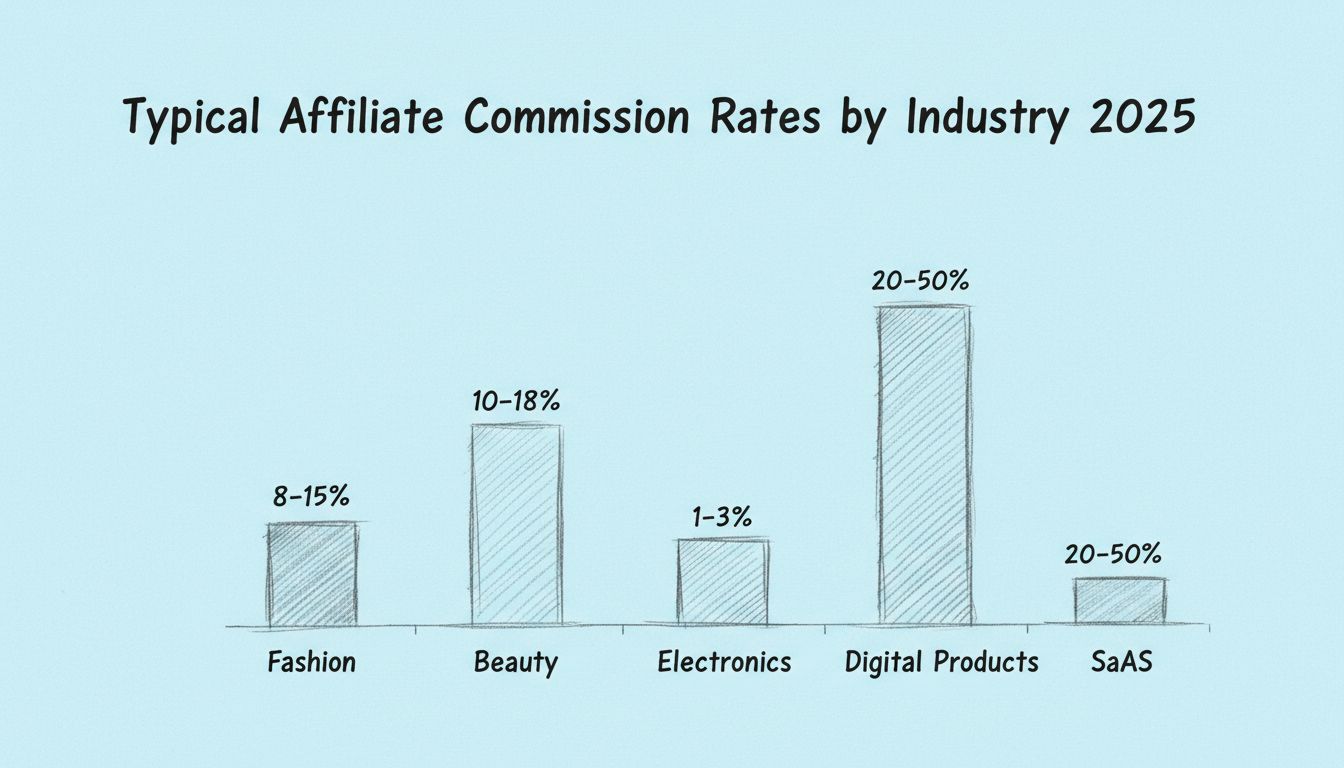
Discover how affiliate commission rates impact earnings potential, program selection, and long-term profitability. Learn commission structures and optimization ...
Join our community of happy clients and provide excellent customer support with Post Affiliate Pro.




Cookie Consent
We use cookies to enhance your browsing experience and analyze our traffic. See our privacy policy.