



Customer Acquisition vs Retention: Which to Prioritize?
Discover whether to focus on acquiring new customers or retaining existing ones. Learn costs, benefits, and strategies for balancing both.
8 min read


Learn proven customer acquisition strategies, metrics, and best practices to attract and convert new customers. Reduce CAC and maximize CLV.
Customer acquisition is the process of attracting, engaging, and converting new customers into paying clients for your business. It encompasses all marketing, sales, and operational activities designed to bring prospects through your funnel and into your customer base. Understanding customer acquisition is critical for business growth because acquiring new customers directly drives revenue expansion and market share increases. Two essential metrics guide acquisition strategy: Customer Acquisition Cost (CAC), which measures how much you spend to gain one customer, and Customer Lifetime Value (CLV), which represents the total profit a customer generates over their relationship with your company. While many businesses focus heavily on acquisition, the real competitive advantage lies in balancing acquisition investments with retention efforts—acquiring a customer typically costs 5-25 times more than retaining an existing one, making the acquisition-to-retention ratio a critical business lever.
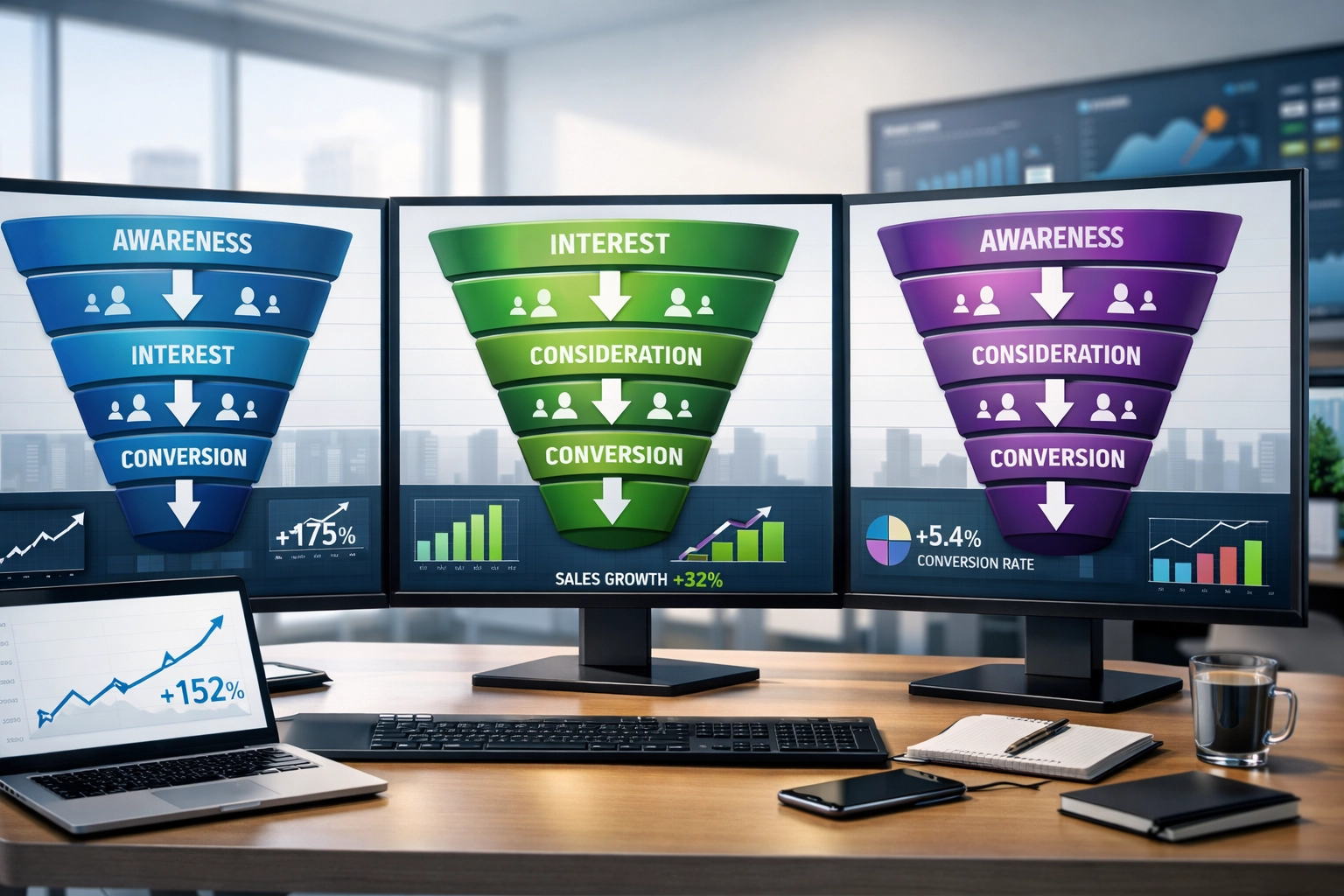
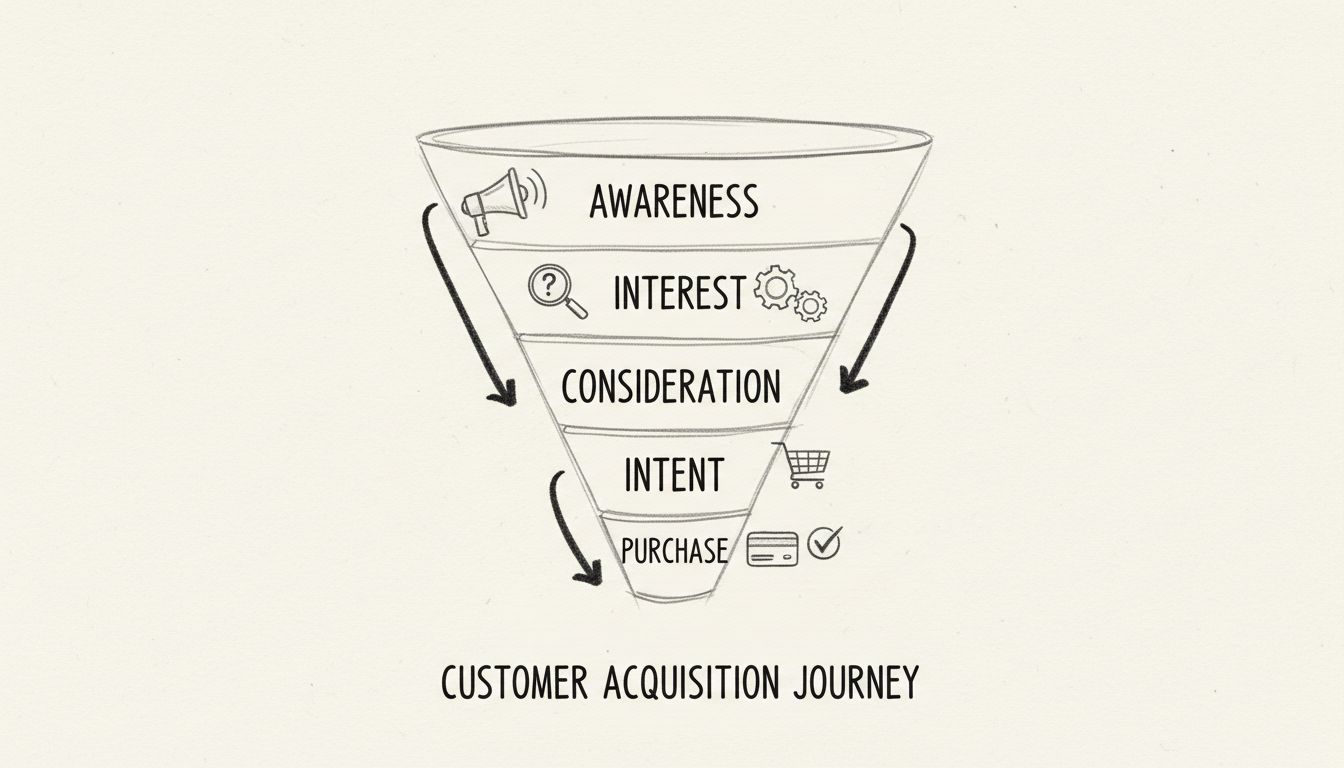
The customer acquisition funnel is a structured framework that maps the journey prospects take from initial awareness to loyal customers, typically divided into five distinct stages that guide your marketing and sales efforts. Rather than viewing the funnel as a linear path where customers move sequentially from top to bottom, modern acquisition strategy recognizes the funnel as circular and iterative—customers may cycle through stages multiple times, return after initial consideration, or re-engage after becoming inactive. Each stage requires different messaging, tactics, and resources, and understanding what happens at each level allows you to optimize your entire acquisition system. The following table breaks down each funnel stage with specific actions and metrics you should track:
| Stage | What Happens | What You Do | Key Metrics |
|---|---|---|---|
| Awareness | Prospects discover your brand exists | Content marketing, paid ads, PR, social media | Impressions, reach, brand mentions |
| Interest | Prospects engage with your content and learn about solutions | Educational content, webinars, email nurturing | Click-through rate, time on site, email opens |
| Consideration | Prospects evaluate your offering against competitors | Case studies, demos, comparisons, testimonials | Demo requests, content downloads, engagement rate |
| Conversion | Prospects make the purchase decision | Sales outreach, pricing clarity, limited-time offers | Conversion rate, deal size, sales cycle length |
| Onboarding | New customers integrate your solution into their operations | Implementation support, training, success planning | Time-to-value, feature adoption, early churn rate |
Understanding this funnel structure enables you to identify bottlenecks—such as high awareness but low conversion—and allocate resources to strengthen weak stages. The circular nature means successful onboarding often generates referrals and repeat purchases, feeding new prospects back into the awareness stage and creating a sustainable acquisition engine.

Set up advanced tracking in minutes. No credit card required.
Successful customer acquisition requires a multi-channel approach that reaches prospects where they actively spend time and are most receptive to your message. Different channels serve different purposes in the funnel, with some excelling at awareness-building while others drive direct conversions. The most effective acquisition strategies combine multiple channels strategically rather than relying on a single source. Here are the primary customer acquisition channels:
Content Marketing & SEO: Creating valuable, optimized content that ranks in search engines attracts high-intent prospects actively seeking solutions. This channel builds authority and generates consistent organic traffic with minimal ongoing cost after initial investment.
Paid Search Advertising (PPC): Google Ads and similar platforms let you bid on keywords to appear at the top of search results, capturing prospects in the consideration and conversion stages with immediate visibility and measurable ROI.
Social Media Marketing: Platforms like LinkedIn, Facebook, Instagram, and TikTok enable targeted advertising and organic community building, allowing you to reach specific demographics and build brand awareness through engagement.
Email Marketing: Building and nurturing email lists creates a direct communication channel to prospects and customers, with email consistently delivering the highest ROI of any digital channel when executed strategically.
Affiliate Marketing & Partnerships: Leveraging partners, influencers, and affiliate networks (such as through PostAffiliatePro) expands your reach through trusted third parties who promote your product for commission, reducing upfront acquisition costs.
Webinars & Events: Live or recorded educational events position your brand as a thought leader while allowing direct engagement with qualified prospects interested enough to invest time learning about your solution.
Referral Programs: Incentivizing existing customers to refer friends and colleagues leverages your most credible marketing channel—personal recommendations—while rewarding loyal customers for advocacy.
Public Relations & Media Outreach: Securing coverage in industry publications, podcasts, and news outlets builds credibility and reaches audiences through trusted editorial sources rather than paid advertising.
Each channel has distinct advantages, costs, and ideal use cases, making channel selection a critical strategic decision based on your target audience, budget, and business model.
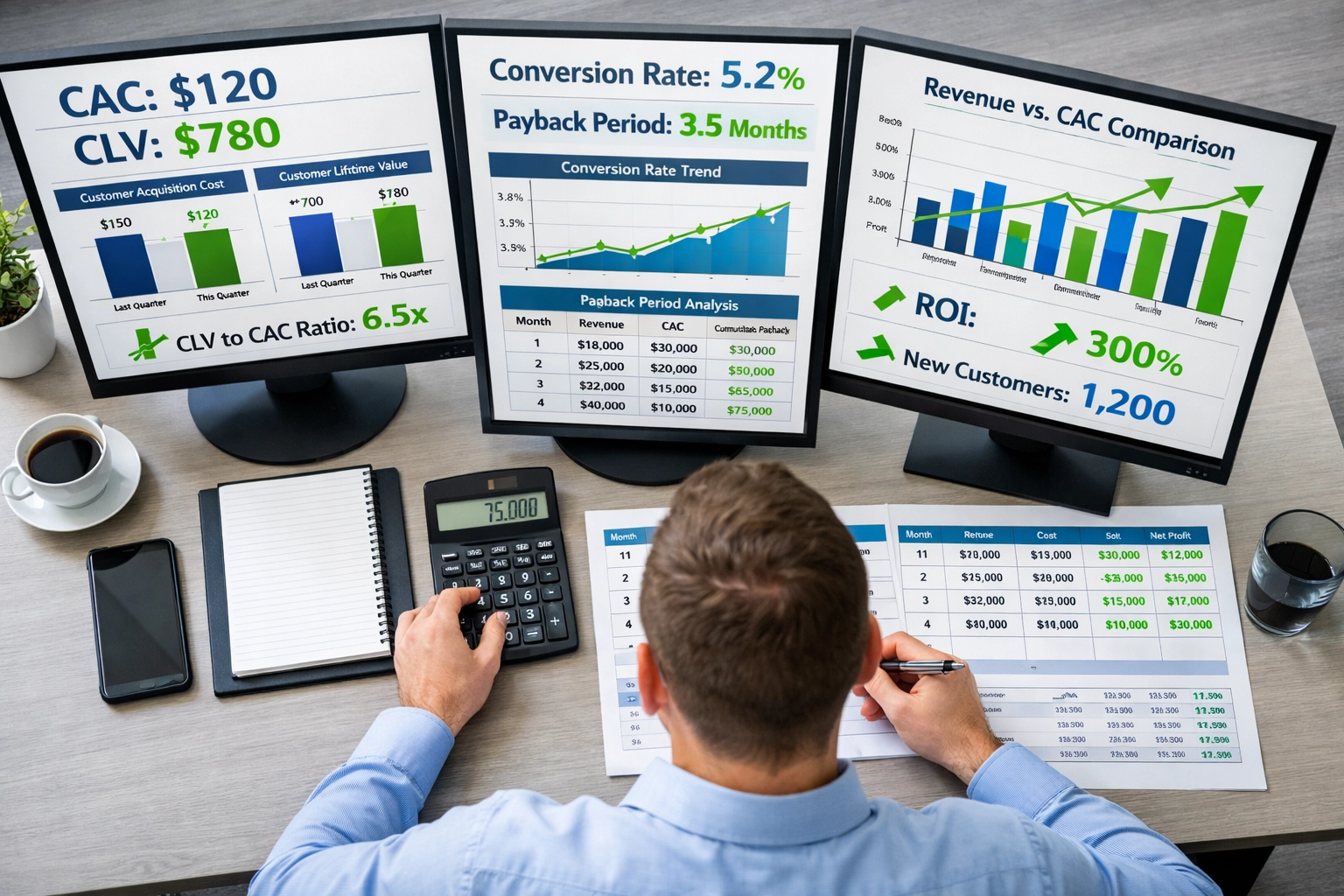
Measuring customer acquisition effectiveness requires tracking specific metrics that reveal whether your investments are generating profitable growth. Customer Acquisition Cost (CAC) is calculated by dividing total acquisition spending (marketing and sales costs) by the number of new customers acquired in a period: CAC = Total Acquisition Costs ÷ Number of New Customers. This metric must be evaluated against Customer Lifetime Value (CLV), which represents the total profit generated by a customer over their entire relationship with your company—ideally, your CLV should be at least 3-5 times your CAC to ensure sustainable profitability. Beyond these primary metrics, conversion rate (the percentage of prospects who complete a desired action) reveals funnel efficiency, while churn rate (the percentage of customers who stop using your service) indicates whether acquisition gains are offset by customer loss. Payback period—the time required for a customer’s revenue to cover their acquisition cost—is critical for cash flow planning, with most SaaS companies targeting payback periods under 12 months. Tracking these metrics across different channels and customer segments reveals which acquisition strategies deliver the best return on investment and where to allocate additional resources for maximum impact.
Be the first to know about new features and product updates.
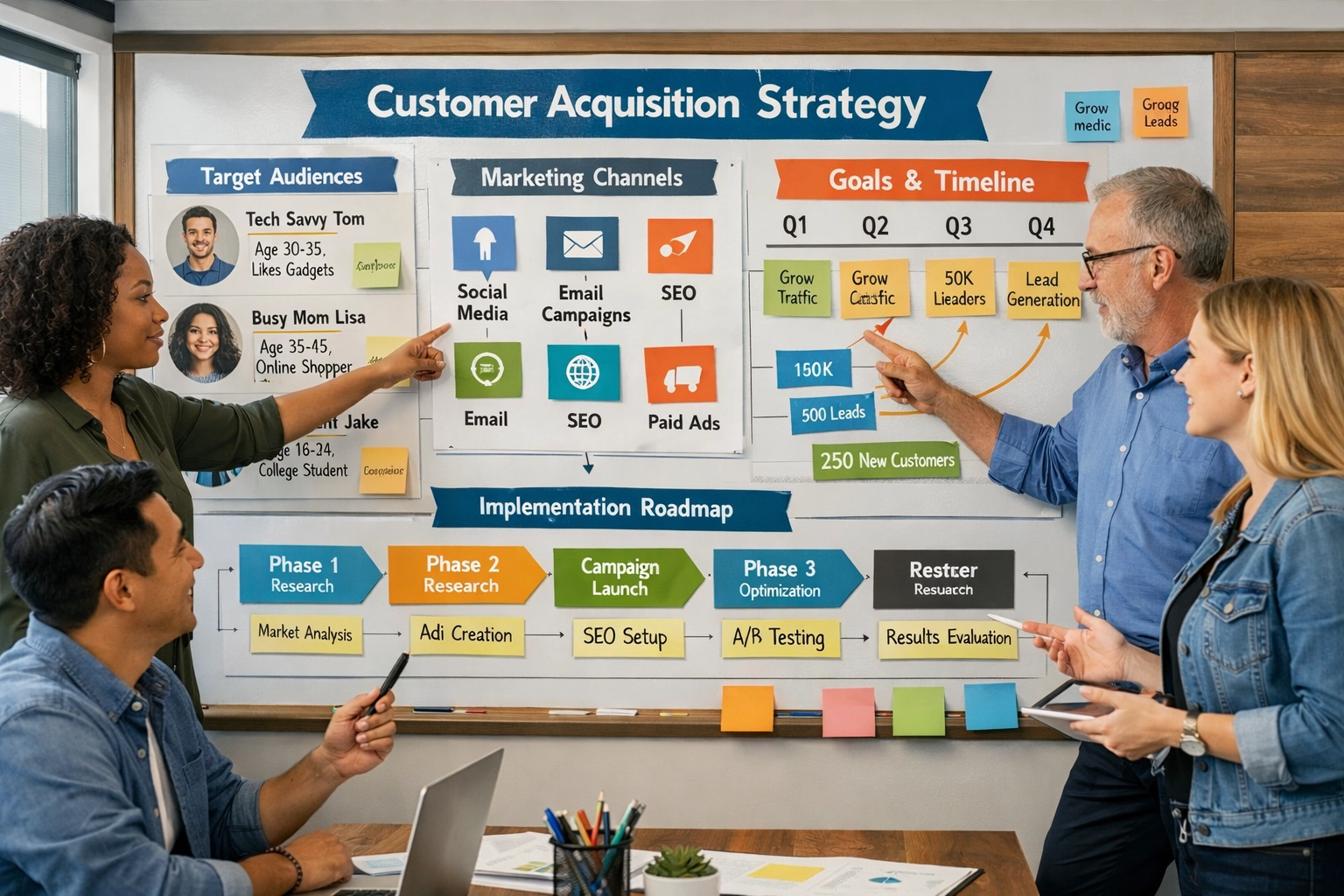
Creating an effective customer acquisition strategy requires a systematic approach that aligns your business goals with market realities and customer needs. Step 1: Define Your Ideal Customer Profile by researching and documenting the characteristics, pain points, and buying behaviors of prospects most likely to become valuable, long-term customers. Step 2: Set Specific Acquisition Goals by determining how many new customers you need, at what cost, and within what timeframe to achieve your revenue targets. Step 3: Select Your Primary Channels based on where your ideal customers spend time and which channels align with your budget and capabilities—most businesses find success focusing on 2-3 primary channels rather than spreading resources too thin. Step 4: Craft Your Value Proposition to clearly articulate why prospects should choose your solution over alternatives, addressing specific pain points and desired outcomes. Step 5: Design Your Conversion Path by mapping the specific steps prospects take from initial contact through purchase, removing friction and optimizing each touchpoint. Step 6: Implement Lead Nurturing through email sequences, content, and personalized outreach that moves prospects through consideration and toward conversion. Step 7: Establish Measurement and Optimization by tracking key metrics, analyzing results, and continuously testing and refining your approach based on data-driven insights. This strategic framework ensures your acquisition efforts are coordinated, measurable, and continuously improving.
Lowering your Customer Acquisition Cost while maintaining or improving customer quality is essential for scaling profitably and maximizing return on marketing investment. Focus your spending on high-performing channels by analyzing which sources deliver customers with the best CLV-to-CAC ratios, then doubling down on those channels while reducing investment in underperformers. Conversion rate optimization through A/B testing of landing pages, email subject lines, and call-to-action buttons can dramatically improve results from existing traffic without increasing ad spend. Investing in organic channels like content marketing and SEO requires upfront effort but generates compounding returns over time, with each piece of content continuing to attract prospects months or years after publication. Referral programs and affiliate partnerships (particularly through platforms like PostAffiliatePro that streamline commission management and partner recruitment) shift acquisition costs from fixed marketing budgets to performance-based payments, reducing risk while expanding reach. Marketing automation and AI-powered targeting enable you to reach the right prospects with the right message at the right time, improving conversion rates and reducing wasted spend on unqualified leads. Finally, retargeting campaigns that re-engage prospects who visited your site but didn’t convert can recover otherwise lost opportunities at a fraction of the cost of acquiring entirely new prospects.
While customer acquisition captures most marketing attention and budget, the relationship between acquisition and retention fundamentally determines business profitability and growth trajectory. Acquiring a new customer typically costs 5-25 times more than retaining an existing customer, yet many businesses allocate 70-80% of their marketing budget to acquisition while neglecting retention—a strategic imbalance that creates an unsustainable “leaky bucket” where growth gains are offset by customer churn. The modern acquisition funnel is circular rather than linear, meaning that excellent onboarding and customer success experiences drive referrals, repeat purchases, and positive word-of-mouth that feed new prospects back into the awareness stage at minimal cost. Existing customers who are satisfied and engaged become your most cost-effective acquisition channel, generating referrals and testimonials that build credibility with prospects far more effectively than paid advertising. The most successful businesses recognize that acquisition and retention are interdependent strategies that must be balanced—investing in customer success and retention reduces churn, improves CLV, and creates a virtuous cycle where happy customers drive new acquisition through referrals and advocacy. Strategic businesses allocate resources to both acquisition and retention, recognizing that sustainable growth requires continuously bringing in new customers while maximizing the value extracted from existing ones.
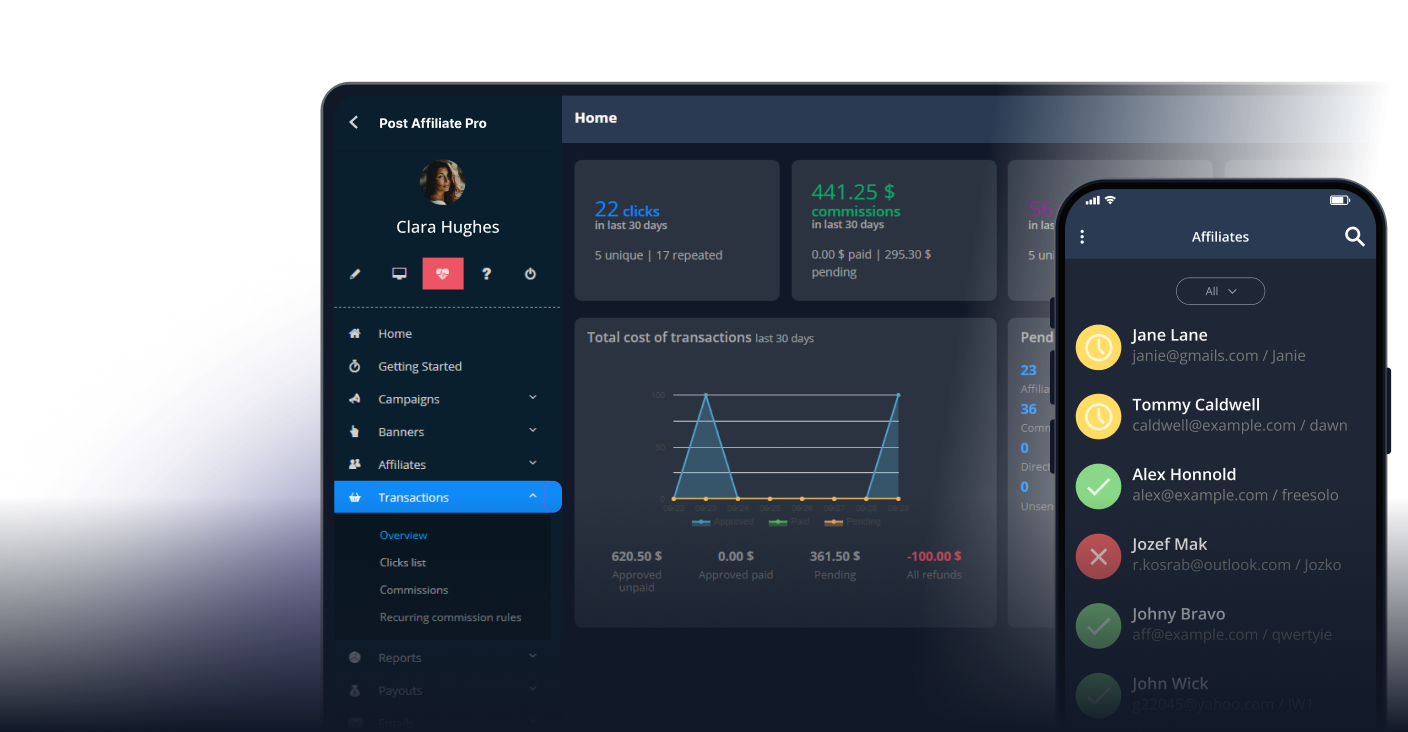
Modern customer acquisition relies on an integrated technology stack that automates processes, provides actionable insights, and enables personalization at scale. Customer Relationship Management (CRM) systems like Salesforce, HubSpot, and Pipedrive centralize prospect and customer data, enabling sales teams to track interactions, manage pipelines, and coordinate follow-up activities efficiently. Marketing automation platforms such as Marketo, Pardot, and ActiveCampaign enable you to nurture large prospect lists with personalized email sequences, scoring, and behavioral triggers that move prospects through the funnel without manual intervention. Analytics and attribution tools reveal which channels, campaigns, and touchpoints drive conversions, allowing you to understand the customer journey and allocate budget to highest-performing sources. Artificial Intelligence and Machine Learning increasingly power customer acquisition through predictive lead scoring, chatbots that qualify prospects 24/7, and algorithms that optimize ad targeting and bidding in real-time. Integration capabilities that connect your CRM, marketing automation, analytics, and advertising platforms create a unified system where data flows seamlessly and teams have complete visibility into acquisition performance. For businesses leveraging affiliate and partner-based acquisition, PostAffiliatePro provides comprehensive affiliate management software that tracks partner performance, automates commission calculations, manages payouts, and provides the transparency needed to scale partner-driven customer acquisition efficiently.
Effective customer acquisition in today’s competitive landscape requires embracing modern best practices while staying ahead of emerging trends that reshape how businesses attract customers. Personalization has evolved from a nice-to-have to a requirement—prospects expect communications tailored to their specific needs, industry, and stage in the buying journey, with generic mass messaging increasingly ignored. Data-driven decision making means every acquisition tactic should be tested, measured, and optimized based on actual results rather than assumptions, with successful companies treating acquisition as a continuous experimentation process. Omnichannel strategies that provide consistent messaging and seamless experiences across email, social media, search, content, and direct sales create multiple touchpoints that reinforce your value proposition and increase conversion probability. Artificial Intelligence is transforming acquisition through predictive analytics that identify high-value prospects before they’re actively searching, chatbots that provide instant responses and qualification, and dynamic content that adapts to individual user behavior. Customer experience optimization recognizes that acquisition doesn’t end at purchase—the onboarding and early customer experience directly impact retention, referrals, and lifetime value, making post-purchase experience a critical acquisition lever. Sustainability and values-based marketing increasingly influence purchasing decisions, particularly among younger demographics, making authentic commitment to social responsibility and environmental stewardship a competitive acquisition advantage. Finally, continuous testing and iteration through A/B testing, multivariate testing, and rapid experimentation cycles enable you to identify winning strategies quickly and scale what works while eliminating what doesn’t.
A good CAC depends on your industry and business model, but generally, your Customer Lifetime Value should be 3-5 times your CAC to ensure profitability. For SaaS companies, CAC payback periods under 12 months are considered healthy. Monitor your CAC against CLV and adjust your acquisition strategy if the ratio falls below 1:3.
Customer Lifetime Value is calculated by multiplying the average purchase value by the purchase frequency and the average customer lifespan. For example, if a customer spends $100 per month, makes 12 purchases per year, and stays for 3 years, their CLV is $3,600. This metric helps you understand how much you can afford to spend acquiring each customer.
CAC (Customer Acquisition Cost) measures how much you spend to gain one customer, while CLV (Customer Lifetime Value) represents the total profit that customer generates over their entire relationship with your company. CAC is a cost metric, while CLV is a revenue metric. Together, they determine the profitability of your acquisition efforts.
Reduce CAC by focusing on high-performing channels, optimizing conversion rates through A/B testing, investing in organic channels like SEO and content marketing, implementing referral programs, using marketing automation, improving targeting accuracy, and retargeting warm leads. Affiliate programs and partnerships can also shift costs from fixed budgets to performance-based payments.
The best channels depend on your target audience and business model. Common high-performing channels include content marketing and SEO for organic traffic, paid search for immediate visibility, social media for brand awareness, email marketing for nurturing, affiliate partnerships for expanded reach, and referral programs for word-of-mouth. Most successful businesses use a combination of 2-3 primary channels.
ROI timeline varies by channel and business model. Paid advertising can show results within weeks, while content marketing and SEO typically take 3-6 months to gain traction. Most businesses see meaningful ROI within 6-12 months of consistent effort. The key is tracking metrics continuously and optimizing based on data rather than expecting immediate results.
Retaining existing customers costs 5-25 times less than acquiring new ones, and satisfied customers generate referrals and repeat purchases that feed new acquisition at minimal cost. The acquisition funnel is circular—excellent customer experiences drive word-of-mouth and advocacy that bring new prospects into your awareness stage, creating a sustainable growth engine.
Affiliate programs expand your reach through partners who promote your product for commission, reducing upfront acquisition costs and shifting risk to performance-based payments. Platforms like PostAffiliatePro streamline affiliate recruitment, tracking, and commission management, enabling you to scale partner-driven acquisition efficiently while maintaining transparency and control.
PostAffiliatePro helps you manage and optimize affiliate-based customer acquisition with comprehensive tracking, commission management, and partner performance analytics. Start building your acquisition engine today.
Discover whether to focus on acquiring new customers or retaining existing ones. Learn costs, benefits, and strategies for balancing both.
Learn what customer acquisition is, how it works, and discover proven strategies to acquire new customers effectively. Includes CAC calculation, funnel stages, ...
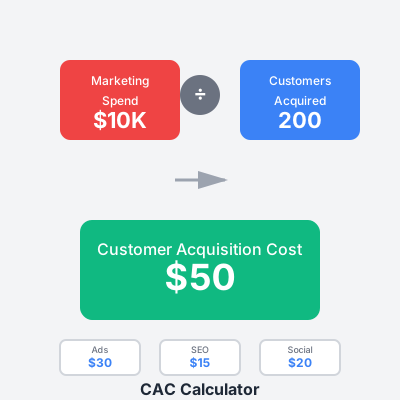
Free CAC calculator to determine customer acquisition costs by channel. Optimize marketing budgets, analyze CLV:CAC ratios, and reduce acquisition costs.
Join our community of happy clients and provide excellent customer support with Post Affiliate Pro.



Cookie Consent
We use cookies to enhance your browsing experience and analyze our traffic. See our privacy policy.