



How does affiliate ad fraud actually work?
Discover the ins and outs of affiliate ad fraud in our concise video by TrafficGuard. Learn about tactics like cookie stuffing, domain spoofing, and compliance ...
2 min read
AffiliateMarketing
AdFraud
+3


Learn what cookie stuffing is, how fraudsters use it to steal commissions, and proven strategies to detect and prevent this affiliate fraud.

Cookie stuffing, also known as cookie dropping, is a deceptive affiliate marketing practice in which fraudsters place affiliate tracking cookies on a user’s browser without their knowledge or consent, typically without any legitimate click or referral. Unlike legitimate affiliate marketing, which rewards partners for genuine customer referrals through transparent tracking mechanisms, cookie stuffing artificially inflates conversion metrics by hijacking credit for sales that the affiliate had no role in generating. This fraudulent technique exploits the “last cookie wins” principle used by most affiliate networks, where the most recent affiliate cookie receives commission credit regardless of actual user behavior. The impact on businesses is substantial, resulting in inflated marketing costs, skewed performance data, damaged affiliate program integrity, and eroded trust in the entire affiliate marketing ecosystem.
Legitimate affiliate marketing relies on transparent cookie tracking, where a user clicks an affiliate link, receives a unique tracking cookie, and the affiliate earns commission if that user completes a desired action (purchase, signup, etc.). Fraudsters manipulate this system by placing affiliate cookies on users’ browsers through hidden, non-consensual methods—without requiring any actual click or user interaction. The “last cookie wins” principle means that whichever affiliate cookie was placed most recently receives credit for the conversion, incentivizing fraudsters to place their cookies on as many browsers as possible to maximize the probability of capturing unrelated sales. This practice degrades user experience through unexpected redirects, pop-ups, and performance slowdowns, while simultaneously poisoning attribution data that legitimate businesses rely on for marketing decisions.
| Method | User Consent | Affiliate Benefit | Legitimacy |
|---|---|---|---|
| Legitimate Click | Yes | Earned through genuine referral | ✓ Legitimate |
| Image Stuffing | No | Unearned cookie placement | ✗ Fraudulent |
| Pixel Stuffing | No | Unearned cookie placement | ✗ Fraudulent |
| Forced Redirect | No | Unearned cookie placement | ✗ Fraudulent |
| Pop-up Stuffing | No | Unearned cookie placement | ✗ Fraudulent |
| Iframe Stuffing | No | Unearned cookie placement | ✗ Fraudulent |
| JavaScript Redirect | No | Unearned cookie placement | ✗ Fraudulent |
Fraudsters employ multiple sophisticated methods to execute cookie stuffing attacks. Here are the seven most prevalent techniques:
Image/Pixel Stuffing: Fraudsters embed invisible 1x1 pixel images or transparent GIFs containing affiliate links throughout web pages, emails, or advertisements. When a user’s browser loads the page, it automatically requests these hidden images, triggering the affiliate cookie placement without any user awareness or interaction. This method is particularly effective because it requires no user action and leaves no visible trace.
Iframe Cookie Stuffing: Hidden iframes (inline frames) are embedded within legitimate web pages, loading affiliate tracking code in the background. These frames operate silently without affecting the visible page layout, allowing fraudsters to place cookies while users browse unaware. The technique is difficult to detect because the iframe content remains completely invisible to the end user.
Pop-up/Pop-under Cookie Stuffing: Fraudsters trigger unwanted pop-up windows or pop-under windows (windows that open behind the current browser window) containing affiliate links that automatically load. Users either close these windows without realizing they’ve been cookied, or the pop-unders remain hidden entirely. This aggressive technique significantly degrades user experience and often violates browser policies.
JavaScript Redirects: Malicious JavaScript code is injected into web pages or advertisements, automatically redirecting users to affiliate links in the background or through rapid redirect chains. These redirects may happen so quickly that users don’t notice, or they may be disguised as legitimate page navigation. The technique allows fraudsters to place cookies while maintaining the appearance of normal browsing.
Browser Hijacking: Malware or browser extensions installed on a user’s computer intercept all web traffic and inject affiliate cookies into every website visited. This persistent method affects all browsing activity across multiple sites, generating fraudulent commissions from completely unrelated purchases. Browser hijacking represents one of the most invasive and damaging forms of cookie stuffing.
Banner Ad Cookie Stuffing: Fraudsters purchase legitimate ad space or create fake advertisements that automatically load affiliate tracking code when displayed. These ads may contain hidden affiliate links or auto-redirect functionality that places cookies without requiring user clicks. The technique exploits the trust users place in banner advertisements.
Hidden Redirects: Fraudsters use 301 or 302 HTTP redirects to send users through affiliate links before reaching their intended destination. These redirects happen so rapidly that users perceive no interruption, but the affiliate cookie is successfully placed during the redirect chain. The technique is particularly effective because it maintains the illusion of normal browsing while capturing unearned commissions.
The consequences of cookie stuffing fraud have been demonstrated through several high-profile legal cases that resulted in substantial penalties and criminal charges. In one of the most notable cases, eBay pursued legal action against Shawn Hogan and Digital Point Solutions for orchestrating a cookie stuffing scheme that generated approximately $15.5 million in fraudulent commissions. Hogan faced 10 counts of wire fraud, carrying a maximum penalty of 20 years in prison, and ultimately pleaded guilty to conspiracy and wire fraud charges. More recently, the Honey browser extension (owned by PayPal) faced a class-action lawsuit alleging that it manipulated affiliate cookies without proper disclosure, resulting in unauthorized commission claims and significant financial impact on content creators whose legitimate earnings were displaced. Similarly, the Capital One Shopping extension was scrutinized for intercepting cookies and redirecting affiliate commissions, effectively stealing earnings from influencers and content creators who had legitimate partnerships. The Dataly Media case exemplified how cookie stuffing schemes could operate undetected for years, generating millions in fraudulent revenue before discovery and legal intervention. These cases underscore that cookie stuffing is not merely a technical violation but a serious federal crime with severe legal consequences, including criminal prosecution, substantial financial restitution, and imprisonment.
Cookie stuffing fraud creates a cascading negative impact across the entire digital advertising ecosystem, affecting multiple stakeholder groups in distinct but interconnected ways.
Merchants suffer direct financial losses through wasted affiliate marketing budgets allocated to fraudulent commissions, inflated customer acquisition costs that distort ROI calculations, and increased chargeback rates as customers dispute unauthorized transactions.
Legitimate affiliates face erosion of their earned commissions as fraudulent actors claim credit for sales they did not facilitate, leading many honest publishers to abandon affiliate programs entirely due to reduced profitability and damaged professional reputations within the industry.
End users experience privacy violations through unauthorized cookie placement and tracking, creating compliance issues with regulations like GDPR and CCPA that impose substantial fines on companies that fail to protect user data and obtain proper consent.
The broader advertising industry suffers from diminished trust in affiliate marketing channels, reduced program effectiveness as merchants become skeptical of reported metrics, and increased operational costs as companies must invest in fraud detection and prevention infrastructure. The cumulative effect is a weakened ecosystem where legitimate business participants are penalized, consumer privacy is compromised, and the entire industry’s credibility is undermined by the actions of bad actors.
Merchants and affiliate program managers should remain vigilant for several warning signs that may indicate cookie stuffing activity within their networks. Key indicators include:
Detection requires a multi-layered approach combining technical and analytical methods. Browser inspection tools and developer consoles can reveal unexpected cookies being placed on user devices, while packet sniffers and network monitoring tools can identify unauthorized cookie injection at the network level. Affiliate program managers should implement continuous monitoring systems that track conversion rates, time-to-purchase metrics, and traffic source quality, comparing individual affiliate performance against historical baselines and industry standards. Advanced fraud detection platforms use machine learning algorithms to identify anomalous patterns in click-to-conversion timelines, geographic inconsistencies, and device fingerprinting that suggest fraudulent activity. Regular audits of affiliate traffic sources, combined with transparent communication channels where legitimate affiliates can report suspicious competitors, create additional layers of protection against cookie stuffing schemes.
The foundation of preventing cookie stuffing begins with rigorous affiliate vetting before granting program access. Merchants should conduct thorough background checks on potential affiliates, including verification of their social media presence for authenticity and engagement metrics that indicate genuine audience reach. Website legitimacy should be verified through domain age checks, SSL certificates, and content quality assessments to ensure affiliates operate legitimate properties. Direct interviews with affiliate applicants can reveal red flags in their promotional strategies and business models, allowing you to identify suspicious patterns early.
Implementing dedicated affiliate monitoring software like PostAffiliatePro provides comprehensive visibility into affiliate activities, offering real-time dashboards that track clicks, conversions, and traffic sources with granular detail. PostAffiliatePro’s advanced reporting features enable merchants to identify anomalies in conversion patterns and traffic behavior that might indicate fraudulent activity. Complementing this with real-time fraud detection tools that analyze traffic patterns, device fingerprints, and behavioral signals creates multiple layers of protection. Regular audits and continuous monitoring of affiliate performance metrics ensure that suspicious activities are caught quickly before significant financial damage occurs.
Technical solutions provide critical safeguards against cookie stuffing by moving beyond traditional cookie-based tracking methods. Implementing first-party cookies instead of third-party cookies reduces the vulnerability to unauthorized cookie injection, as first-party cookies are set directly by your domain and are more difficult to manipulate. Advanced fingerprinting techniques that combine device characteristics, IP addresses, and behavioral signals create a more robust tracking system that’s harder to spoof than cookies alone.
Multi-touch attribution models that track the entire customer journey across multiple touchpoints help identify which interactions genuinely contributed to conversions, making it easier to spot fraudulent claims. Replacing cookie-based affiliate links with promotional code systems gives merchants direct control over attribution and makes it nearly impossible for affiliates to claim credit for sales they didn’t generate. Requiring two-factor authentication for affiliate account access prevents unauthorized access and cookie manipulation by bad actors. Clear, comprehensive Terms & Conditions that explicitly prohibit cookie stuffing and define acceptable promotional practices provide legal grounds for affiliate removal and potential recovery of fraudulent commissions. Implementing payment delays of 30-60 days allows time to identify fraudulent conversions before funds are transferred, and maintaining regular communication with affiliates about compliance expectations reinforces your commitment to program integrity.
Cookie stuffing exposes merchants to significant legal liability across multiple regulatory frameworks and jurisdictions. Under GDPR regulations, unauthorized cookie placement constitutes illegal data collection without proper user consent, potentially resulting in fines up to €20 million or 4% of annual global turnover for violations. The FTC’s Endorsement Guides require clear disclosure of affiliate relationships and prohibit deceptive practices, making cookie stuffing a direct violation of federal trade regulations that can result in enforcement actions and substantial penalties.
Cookie stuffing can constitute wire fraud when it involves intentional deception to obtain commissions, exposing both affiliates and merchants to criminal liability and civil damages. Typosquatting—a common cookie stuffing tactic where affiliates register domains similar to competitors’ brands—violates trademark law and can result in domain seizure and legal action under the Anticybersquatting Consumer Protection Act (ACPA). Well-drafted affiliate agreements that clearly define prohibited activities, establish liability for affiliate misconduct, and include indemnification clauses are essential for protecting merchants from legal exposure. Courts have increasingly held merchants liable for affiliate fraud when they fail to implement reasonable monitoring and prevention measures, making due diligence not just a best practice but a legal necessity.
Cookie stuffing represents a serious and evolving threat to affiliate program integrity that demands immediate attention from merchants of all sizes. Protecting your business requires a multi-layered approach that combines rigorous affiliate vetting, technical safeguards, legal frameworks, and continuous monitoring to create an environment where fraudsters cannot operate profitably.
PostAffiliatePro stands out as a comprehensive solution for affiliate program management, offering the monitoring tools, reporting capabilities, and fraud detection features necessary to maintain program integrity while scaling your affiliate network. The investment in prevention measures pays dividends through reduced fraud losses, improved conversion quality, and stronger relationships with legitimate affiliates who appreciate your commitment to fair program management. By implementing the strategies outlined in this guide and leveraging modern affiliate management platforms, merchants can significantly reduce their exposure to cookie stuffing while building sustainable, profitable affiliate programs. The time to act is now—don’t let cookie stuffing undermine your affiliate program’s success.
Legitimate affiliate tracking requires user consent and a genuine click on an affiliate link, while cookie stuffing places cookies without user knowledge or interaction. Legitimate tracking rewards affiliates for actual referrals, whereas cookie stuffing artificially claims credit for sales the affiliate didn't generate.
Yes, cookie stuffing can violate multiple laws including GDPR (unauthorized data collection), FTC regulations (deceptive practices), and wire fraud statutes. The Shawn Hogan case resulted in criminal charges with up to 20 years imprisonment, demonstrating the serious legal consequences.
Watch for warning signs like sudden spending spikes without ROI increases, unusually high conversion rates from specific affiliates, spikes in affiliate complaints, and suspicious HTTP referrer headers. Use monitoring software and fraud detection tools to analyze traffic patterns and identify anomalies.
The seven most common techniques are: image/pixel stuffing, iframe cookie stuffing, pop-up/pop-under stuffing, JavaScript redirects, browser hijacking, banner ad cookie stuffing, and hidden redirects. Each method places cookies without user consent through different technical mechanisms.
Legitimate affiliates lose earned commissions when fraudsters' cookies claim credit for their sales. This reduces profitability and trust in the program, often causing honest affiliates to abandon the program entirely, damaging your affiliate network's quality.
Most affiliate networks credit the most recent affiliate cookie placed on a user's browser with the conversion, regardless of which affiliate actually drove the traffic. Fraudsters exploit this by placing their cookies on as many browsers as possible to maximize chances of capturing unrelated sales.
PostAffiliatePro offers comprehensive affiliate management with real-time monitoring dashboards, advanced fraud detection, secure first-party cookie tracking, multi-touch attribution, and detailed reporting to identify suspicious patterns and prevent fraudulent activities.
Merchants can face GDPR fines up to €20 million, FTC enforcement actions, liability for affiliate misconduct, and civil damages. Courts increasingly hold merchants responsible for failing to implement reasonable fraud prevention measures, making due diligence legally necessary.
PostAffiliatePro provides comprehensive affiliate management with advanced fraud detection, real-time monitoring, and secure tracking to keep your program safe from cookie stuffing and other fraudulent activities.
Discover the ins and outs of affiliate ad fraud in our concise video by TrafficGuard. Learn about tactics like cookie stuffing, domain spoofing, and compliance ...
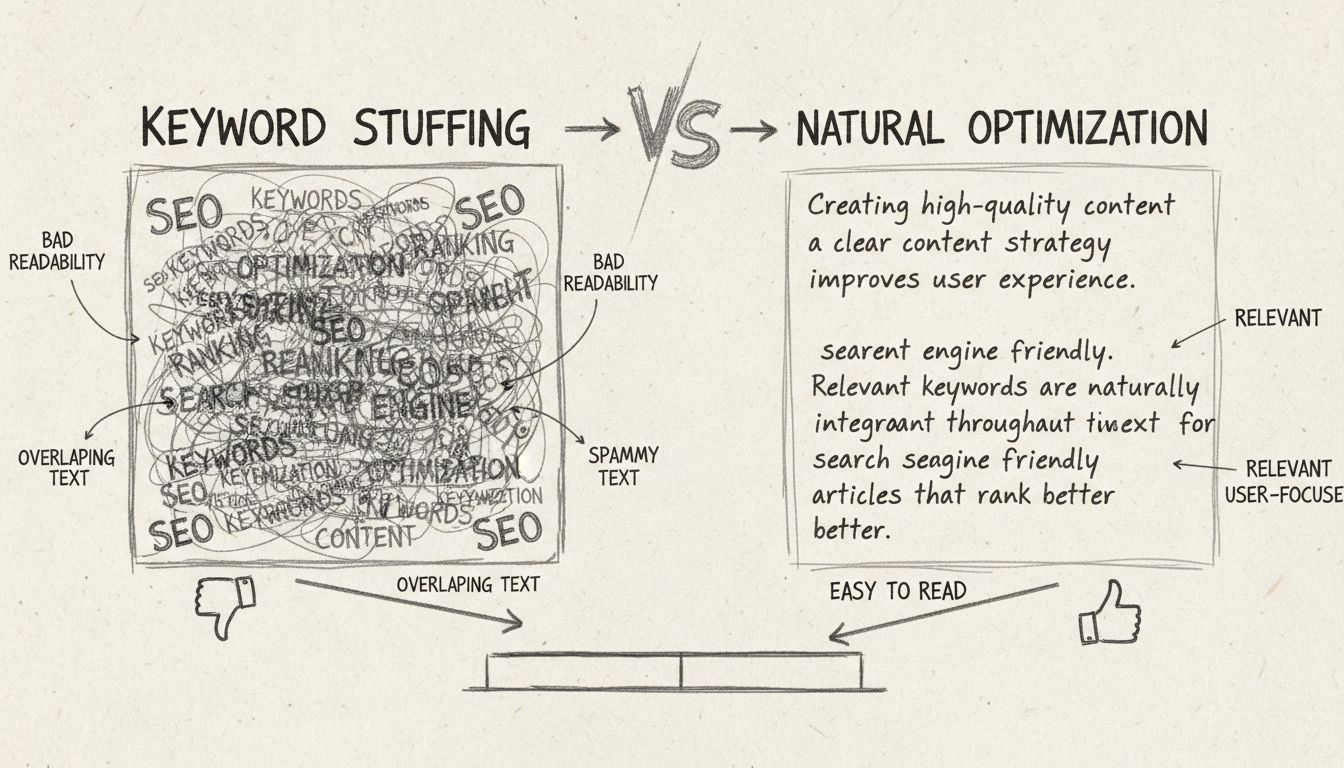
Learn why keyword stuffing hurts affiliate SEO and how to optimize keywords naturally. Discover best practices to avoid Google penalties while maintaining stron...

about affiliate fraud types including cookie stuffing, bot traffic, and typosquatting. detection methods and prevention strategies to protect your affiliate
Join our community of happy clients and provide excellent customer support with Post Affiliate Pro.




Cookie Consent
We use cookies to enhance your browsing experience and analyze our traffic. See our privacy policy.