Introduction: Understanding Affiliate Program Challenges
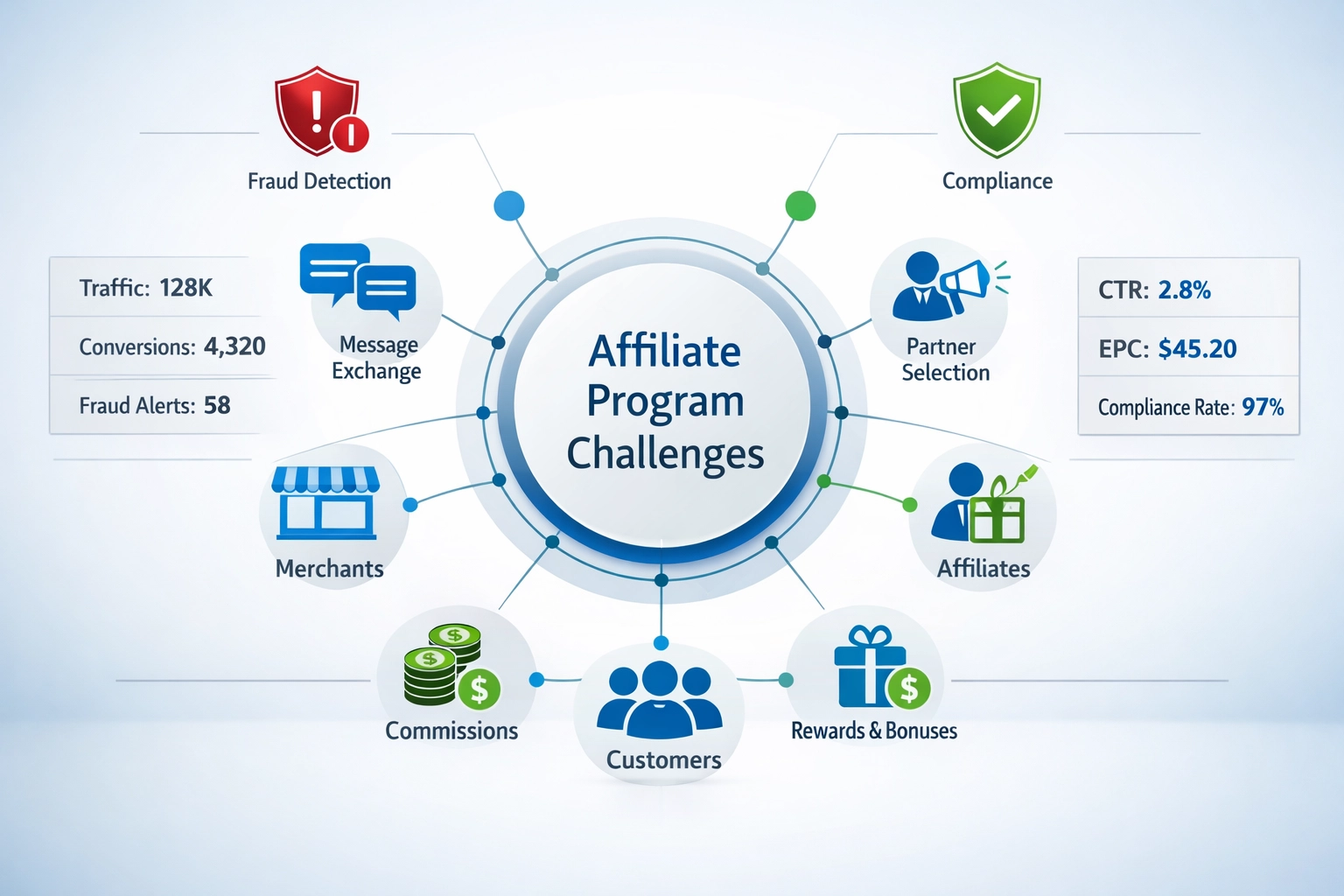
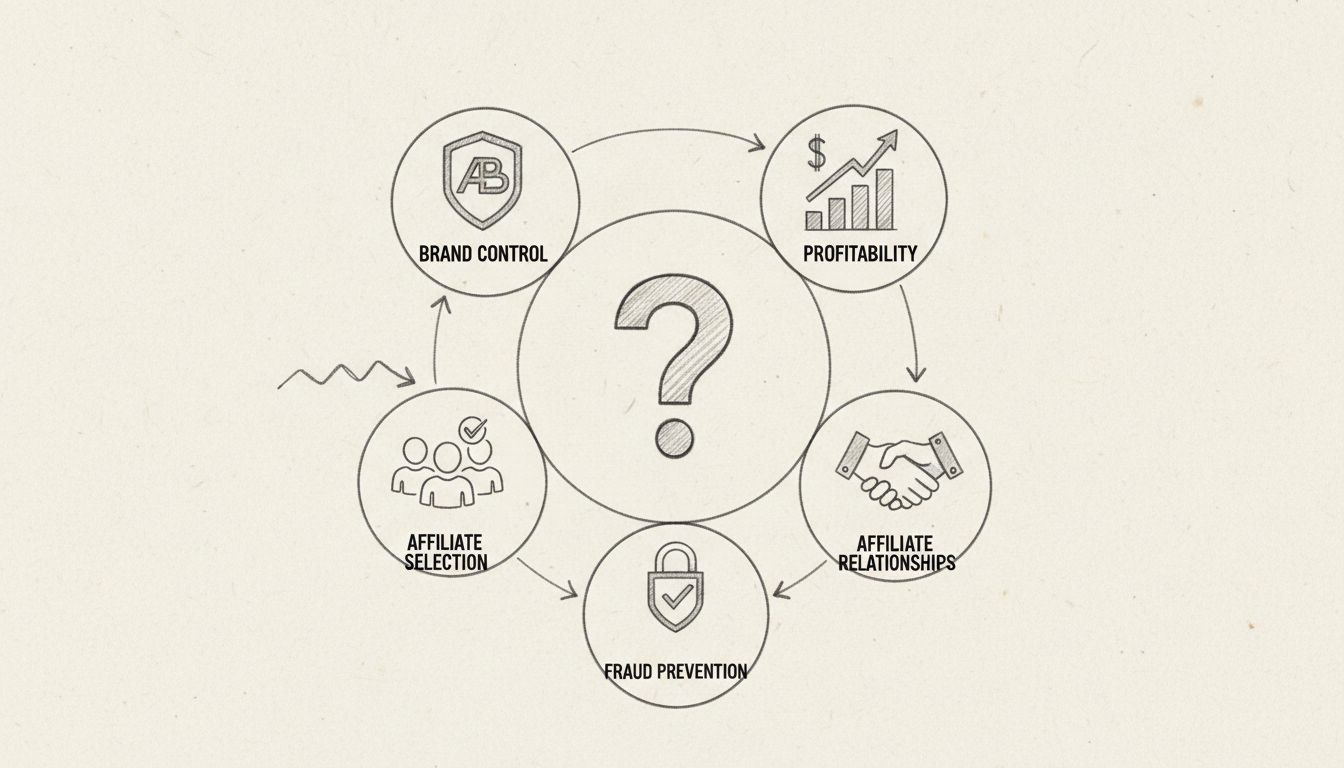
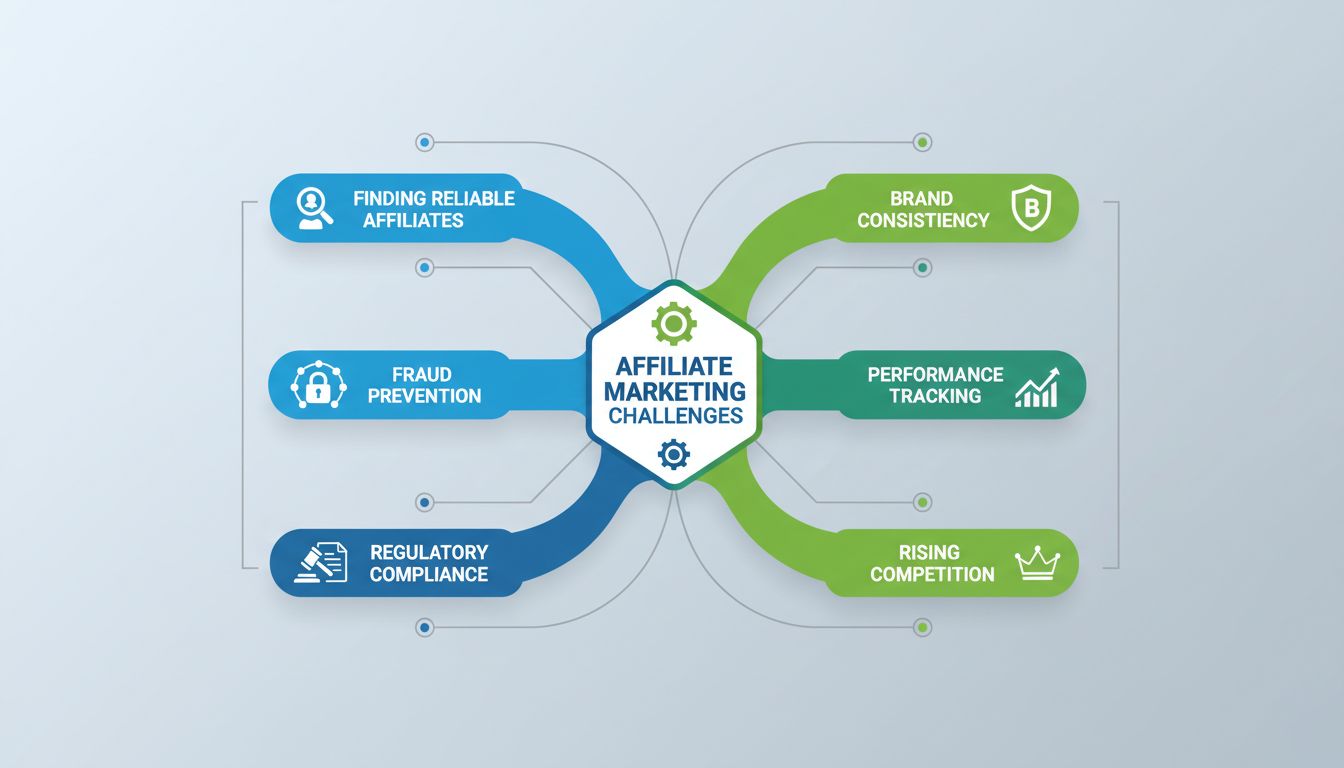
The affiliate marketing industry has grown into a powerhouse worth over $15 billion annually, with more than 80% of advertisers now leveraging this performance-based marketing channel to drive revenue. However, despite its tremendous potential, managing a successful affiliate program comes with significant challenges that can make or break your marketing efforts. The most common obstacles include finding the right partners, structuring effective rewards, maintaining brand integrity, managing affiliates efficiently, and protecting your program from fraud. Understanding these challenges and implementing strategic solutions is essential for building a profitable and sustainable affiliate program.
Finding the Right Affiliate Partners
Identifying and recruiting quality affiliate partners is one of the most critical yet challenging aspects of affiliate marketing. With thousands of potential affiliates available, the temptation to accept as many partners as possible can be overwhelming—but this approach often backfires. Quality always trumps quantity when it comes to affiliate partnerships; a single high-performing affiliate aligned with your brand values can generate more revenue than dozens of misaligned partners. The vetting process requires thorough research into potential partners’ marketing practices, audience demographics, content quality, and track record with other brands. Poor partner selection can damage your brand reputation, lead to compliance violations, and waste marketing budgets on ineffective promotions. Successful affiliate programs invest time in understanding their target audience and carefully selecting partners whose audiences align with their customer base.
Good Affiliate Characteristics
Red Flags to Avoid
Transparent marketing practices
Unclear traffic sources
Audience aligned with your brand
Misaligned audience demographics
Proven track record with other brands
No verifiable performance history
Strong engagement with followers
Low engagement or fake followers
Compliance-focused approach
History of regulatory violations
Clear communication style
Unresponsive or evasive communication
Launch your affiliate program today
Set up advanced tracking in minutes. No credit card required.
Creating a commission structure that motivates affiliates while maintaining profitability is a delicate balancing act. Affiliate rewards significantly influence purchasing behavior, with research showing that 65% of consumers are influenced by incentives when making purchase decisions. The challenge lies in offering competitive compensation that attracts quality affiliates without eroding your profit margins. Different commission models serve different purposes: Cost Per Action (CPA) minimizes merchant risk by paying only for completed actions, Cost Per Sale (CPS) ties earnings directly to revenue generated, Revenue Share (RevShare) encourages long-term customer value focus, and Cost Per Click (CPC) rewards traffic generation. Many successful programs use hybrid models combining multiple approaches to balance risk and incentive. Conducting thorough market research to understand industry standards, testing different structures, and regularly evaluating performance metrics ensures your reward system remains competitive and sustainable.
Maintaining Brand Integrity & Messaging
Entrusting affiliates with promoting your brand comes with the responsibility of ensuring consistent messaging and brand representation across all channels. When affiliates operate independently, there’s significant risk that their promotional content may diverge from your brand’s tone, values, and guidelines, potentially confusing customers or damaging your reputation. Regulatory compliance adds another layer of complexity, as Google, the FTC, and other regulatory bodies have strict requirements for advertising transparency and disclosure. To maintain brand integrity while scaling your affiliate program, implement these best practices:
Provide clear brand guidelines and assets including logos, product images, approved messaging, and tone-of-voice documentation
Establish regular communication channels with affiliates to share updates about products, policies, and brand changes
Monitor affiliate campaigns actively to ensure compliance with brand standards and regulatory requirements
Create training materials that help affiliates understand your products and brand values
Document expectations clearly in affiliate agreements with specific guidelines about what is and isn’t acceptable
Join our newsletter
Be the first to know about new features and product updates.
Managing Affiliates Efficiently
As your affiliate program grows, managing an increasingly diverse group of partners becomes exponentially more complex. Tracking individual performance, resolving queries, providing support, maintaining motivation, and ensuring compliance across dozens or hundreds of affiliates requires significant time and resources. Manual processes quickly become bottlenecks, leading to delayed responses, payment errors, and frustrated partners. Effective affiliate management requires establishing clear performance metrics (such as conversion rates, average order value, and customer quality), implementing regular communication schedules with performance feedback, and providing training and support resources to help affiliates improve. Recognizing and rewarding high performers through bonuses, exclusive perks, or public recognition helps maintain motivation and loyalty. Automation tools and affiliate management platforms are essential for scaling operations, as they streamline performance tracking, automate reporting, handle commission calculations, and reduce administrative burden—allowing your team to focus on strategic growth rather than manual tasks.
Protecting Against Fraud & Fraudulent Activities
Affiliate fraud remains one of the most damaging challenges facing the industry, with fraudsters constantly developing new tactics to exploit vulnerabilities and earn undeserved commissions. Click fraud involves artificially inflating the number of ad clicks without genuine user interest, wasting your marketing budget on fake traffic. Cookie stuffing places tracking cookies on users’ devices without permission, attributing sales to affiliates who had no role in the purchase. Domain spoofing occurs when affiliates misrepresent themselves as premium publishers while actually operating low-quality sites, deceiving both merchants and consumers. Incentivized traffic uses misleading incentives to drive clicks and conversions that don’t represent genuine customer interest. These fraudulent activities result in immediate financial losses and long-term reputation damage. Protecting your program requires implementing robust tracking systems that monitor traffic sources, clicks, and conversions in real-time, delayed payment verification to confirm transaction legitimacy before paying commissions, traffic source monitoring to identify suspicious patterns and geographic anomalies, and advanced fraud detection tools that use algorithms to spot unusual behavior. Regular audits and continuous monitoring are essential to maintaining program integrity.
The regulatory environment for affiliate marketing has become increasingly complex and stringent, with significant consequences for non-compliance. GDPR (General Data Protection Regulation) in Europe and CCPA (California Consumer Privacy Act) in the United States impose strict requirements on how consumer data can be collected, stored, and used. The FTC (Federal Trade Commission) and ASA (Advertising Standards Authority) enforce strict disclosure requirements, requiring affiliates to clearly identify sponsored content and disclose material connections. Google’s 2023 Ads Safety Report revealed that 5.5 billion ads were removed for misleading advertising, with 12.7 million advertiser accounts suspended and 2.1 billion ads removed from affiliate sites—demonstrating the serious enforcement of these regulations. Beyond data privacy, search engine algorithm updates (like Google’s core updates) can dramatically impact organic traffic for both merchants and affiliates, requiring constant strategy adjustments. Staying compliant requires dedicating resources to continuous learning about regulatory changes, maintaining transparent data practices, obtaining explicit user consent, and keeping affiliates informed about new requirements with sufficient notice for implementation.
Tracking, Attribution & Analytics Challenges
Accurately measuring affiliate performance and attributing conversions to the correct source has become increasingly difficult in today’s multi-device, multi-channel digital landscape. Multi-touch attribution requires understanding how multiple touchpoints contribute to a single conversion, yet most tracking systems struggle to capture the complete customer journey. Cross-device tracking is complicated by users switching between smartphones, tablets, desktops, and other devices during their purchase journey, making it difficult to attribute credit correctly. Platform switching and the deprecation of third-party cookies further complicate tracking accuracy. When tracking systems fail to capture complete customer interactions, affiliates may lose out on deserved commissions, creating disputes and damaging relationships. Additionally, ROI measurement becomes unclear when you can’t accurately determine which affiliates drove which sales, making it difficult to optimize your program effectively. Advanced analytics platforms with sophisticated attribution models, real-time reporting capabilities, and cross-platform tracking integration are essential for overcoming these challenges and making data-driven decisions about affiliate program optimization.
Solutions & Best Practices
Successfully navigating these challenges requires a strategic approach combining clear processes, strong communication, and the right technology infrastructure. Affiliate management software has become essential for modern programs, automating critical functions that would otherwise consume enormous time and resources. Leading platforms like PostAffiliatePro provide comprehensive solutions addressing all major challenges: real-time tracking and detailed analytics for accurate performance measurement, automated compliance checks ensuring regulatory adherence, customizable payout models supporting various commission structures, fraud detection tools identifying suspicious activities, and centralized communication platforms keeping all parties aligned. These platforms enable merchants to scale their programs efficiently while maintaining quality control and compliance. Beyond technology, successful programs invest in clear communication with affiliates, provide training and resources to help partners succeed, implement regular performance reviews with constructive feedback, and maintain transparent relationships built on mutual benefit. The most profitable affiliate programs combine strategic partner selection, competitive but sustainable rewards, strong brand governance, efficient management systems, and proactive fraud prevention—creating an ecosystem where both merchants and affiliates thrive together.
Conclusion
Building a successful affiliate program requires addressing multiple interconnected challenges simultaneously. From carefully selecting partners who align with your brand values to implementing sophisticated fraud detection systems, every aspect of your program contributes to overall success. The investment in proper affiliate management infrastructure—whether through dedicated software platforms, clear processes, or team resources—pays dividends through increased revenue, reduced fraud losses, and stronger partner relationships. By understanding these common challenges and implementing the solutions outlined in this guide, you can create an affiliate program that drives sustainable growth while maintaining brand integrity and regulatory compliance. The future of affiliate marketing belongs to programs that combine strategic thinking with the right technology, creating win-win partnerships that benefit merchants, affiliates, and customers alike.
Frequently asked questions
What are the biggest challenges in running an affiliate program?
The most common challenges include finding quality affiliate partners aligned with your brand, structuring competitive yet profitable commission rates, maintaining brand integrity across diverse affiliates, managing affiliates efficiently at scale, and protecting your program from fraudulent activities. Each challenge requires strategic planning and the right tools to overcome.
How can I prevent affiliate fraud in my program?
Implement robust tracking systems to monitor traffic sources and conversions, use fraud detection tools with advanced algorithms, delay payments until transactions are verified as legitimate, monitor for suspicious patterns and geographic anomalies, and establish clear terms about what constitutes fraud. Regular audits and continuous monitoring are essential for maintaining program integrity.
What commission structure should I offer affiliates?
The best structure depends on your business model and goals. Common options include Cost Per Action (CPA) for minimizing risk, Cost Per Sale (CPS) for revenue-based compensation, Revenue Share (RevShare) for long-term customer value, and Cost Per Click (CPC) for traffic generation. Many successful programs use hybrid models combining multiple approaches. Research industry standards and test different structures to find what works best.
How do I find quality affiliate partners?
Thoroughly research potential partners' marketing practices, audience demographics, and track record with other brands. Look for affiliates whose audiences align with your target customers, who demonstrate transparent marketing practices, and who have a history of compliance. Quality always trumps quantity—one high-performing aligned partner is worth more than dozens of misaligned ones.
What tools help manage affiliate programs effectively?
Affiliate management platforms like PostAffiliatePro provide essential features including real-time tracking and analytics, automated compliance checks, customizable payout models, fraud detection tools, and centralized communication systems. These platforms automate critical functions, reduce manual errors, enable scaling, and provide the data-driven insights needed for program optimization.
How do I ensure brand compliance with my affiliates?
Provide clear brand guidelines and assets including logos, approved messaging, and tone-of-voice documentation. Establish regular communication channels to share updates about products and policies. Monitor affiliate campaigns actively to ensure compliance with brand standards and regulatory requirements. Create training materials to help affiliates understand your products and brand values.
What is the best way to track affiliate performance?
Use affiliate management software with real-time tracking capabilities that monitor clicks, conversions, and sales. Implement clear performance metrics such as conversion rates, average order value, and customer quality. Track traffic sources to identify suspicious patterns. Use advanced analytics with multi-touch attribution models to understand how different touchpoints contribute to conversions.
How often should I update my affiliate program strategy?
Review your affiliate program strategy at least quarterly, analyzing performance metrics, market trends, and regulatory changes. Monitor search engine algorithm updates and adjust SEO strategies accordingly. Stay informed about new regulations and compliance requirements. Regularly communicate with top-performing affiliates to understand their needs and gather feedback for continuous improvement.
Ready to Overcome Your Affiliate Program Challenges?
PostAffiliatePro provides comprehensive affiliate management software with real-time tracking, fraud detection, and compliance tools to help you build a successful affiliate program.
Affiliate Program Challenges for Small Businesses: Complete Guide to Overcoming Common Obstacles
Discover the key challenges small businesses face when starting affiliate programs in 2025. Learn how to manage brand control, select affiliates, ensure profita...
Discover the key challenges businesses face when implementing affiliate marketing programs in 2025, including affiliate management, fraud prevention, tracking, ...