


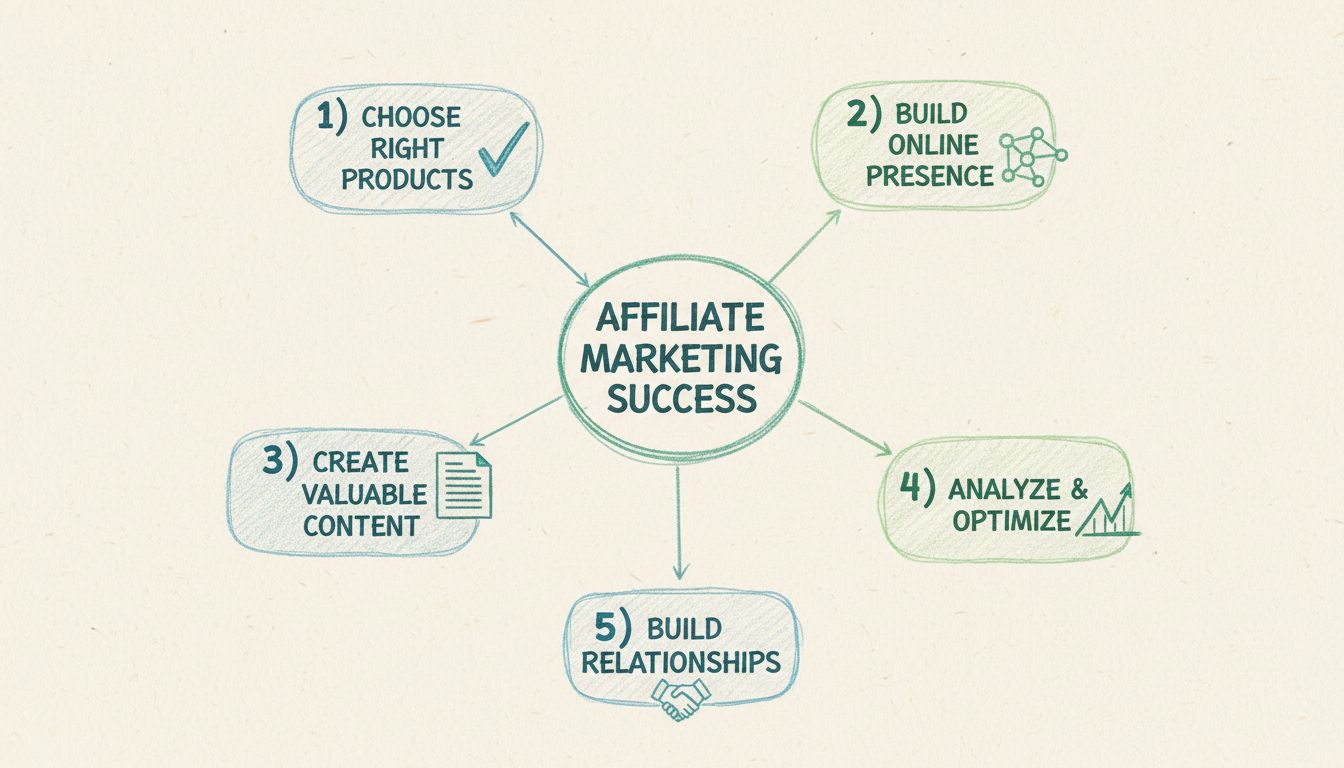
How to Make Affiliate Marketing Successful
Learn proven strategies to make affiliate marketing successful. Discover how to choose products, build audience trust, create valuable content, and optimize per...
12 min read


Learn proven strategies for building lasting affiliate relationships that drive loyalty, engagement, and revenue growth through communication and retention.
Building strong affiliate relationships is far more than a transactional business arrangement—it’s the cornerstone of sustainable affiliate program growth. As the saying goes, “all things being equal, people want to do business with their friends, and all things not being equal, people still want to do business with their friends.” This principle applies directly to affiliate marketing, where personal connections drive loyalty, motivation, and long-term commitment. The most successful affiliate managers understand that their role extends beyond managing commissions and tracking sales; they must become genuine partners and friends to their affiliates. When affiliates feel valued as people rather than just promotional channels, they’re more likely to go above and beyond, promote your products with authentic enthusiasm, and remain loyal even when competing opportunities arise. The foundation of this success lies in recognizing that relationship-building is not a soft skill—it’s a critical business strategy that directly impacts your bottom line.

The first step in building exceptional affiliate relationships is to transcend the traditional affiliate manager-affiliate dynamic and develop genuine friendships. This means showing authentic interest in your affiliates as complete human beings, not just promotional assets. Take time to learn their names, their family members’ names, their interests, hobbies, and what matters to them personally. If an affiliate is a passionate Tennessee Volunteers fan, remember that detail and reach out when they have a big win. If they mention their child plays soccer, ask about the season next time you connect. This level of personal attention demonstrates that you see them as individuals worthy of your time and attention. By investing in these personal connections, you create emotional bonds that transcend financial incentives and make your affiliates genuinely want to promote your products.

Set up advanced tracking in minutes. No credit card required.
While there are numerous approaches to building affiliate relationships, research has identified several core strategies that consistently deliver results. Understanding how these strategies differ in their focus and implementation can help you choose the right combination for your program. The following comparison table outlines the primary relationship-building approaches and their key characteristics:
| Strategy | Primary Focus | Best For | Key Benefit |
|---|---|---|---|
| Personal Connection | Individual relationships, personal interests | Early-stage programs, top affiliates | Deep loyalty and emotional investment |
| Regular Communication | Consistent updates, transparency, feedback | All program sizes | Keeps affiliates informed and engaged |
| Community Building | Networking, peer support, shared experiences | Growing programs | Affiliates help each other succeed |
| Recognition & Celebration | Milestones, achievements, public acknowledgment | All program sizes | Motivates continued effort and performance |
| Responsive Support | Quick answers, problem-solving, availability | All program sizes | Builds trust and reduces frustration |
| Training & Development | Skill-building, strategy sharing, resources | All program sizes | Improves affiliate success and retention |
Each of these strategies works synergistically with the others, creating a comprehensive relationship-building framework that addresses different affiliate needs and preferences.
Regular communication is absolutely essential to maintaining strong affiliate relationships, and it must go beyond generic broadcast emails. Effective communication means keeping your affiliates informed about new products, promotions, changes to commission structures, and upcoming opportunities—but it also means personalizing that communication based on their level and performance. For your top-performing affiliates, don’t just send them the standard announcement email; reach out personally via direct message or text to let them know about something special. Create a content calendar that ensures consistent updates, and consider establishing a dedicated newsletter specifically for your affiliate partners that includes helpful resources, success stories, and actionable tips. The key is to make your affiliates feel like insiders who have access to information before the general public, reinforcing their importance to your program.
Be the first to know about new features and product updates.
One often-overlooked aspect of relationship-building is making your affiliate program genuinely fun and enjoyable. A program that’s fun to participate in will generate more enthusiasm, better word-of-mouth referrals, and higher engagement rates. To create this fun factor, remember the acronym FUN: Focus on results (tie everything to a call to action), Use uniqueness (be yourself and let your personality shine through), and embrace Nuttiness (get a little creative and unconventional to stand out in crowded inboxes). If you’re naturally funny, use humor in your communications. If you’re not, consider hiring someone who is—one company famously hired a George W. Bush impersonator to announce affiliate prizes, creating a memorable and shareable moment that got people genuinely excited about the program. The goal is to make your program something affiliates look forward to participating in, not something they feel obligated to promote.
Providing comprehensive resources and support is fundamental to affiliate success and retention. Your affiliates need access to everything they require to promote effectively, and the easier you make it for them, the more they’ll promote. Here are the essential resources every affiliate program should provide:
By removing friction from the promotional process, you enable your affiliates to focus on what they do best—promoting your products to their audiences.
While digital communication is essential, nothing replaces the impact of meeting your affiliates face-to-face. In-person meetings have been worth millions of dollars in additional revenue for successful affiliate programs. When possible, invite your top affiliates to your headquarters, host a mastermind retreat, or schedule time together at industry conferences. These meetings don’t need to be elaborate—a shared meal, some quality conversation, and genuine connection can transform a business relationship into a lasting friendship. The memories created during these interactions become stories your affiliates tell others, and the personal bonds formed often result in increased loyalty and promotional effort. If budget is limited, even scheduling one-on-one video calls where you can see each other’s faces creates more connection than email alone.
Thoughtful gift-giving is a powerful relationship-building tool, but it must be done strategically and authentically. The key principle is to give gifts that reflect genuine knowledge of the person, not branded merchandise with your company logo. A gift should make the affiliate think of you personally every time they use it—like custom knives engraved with their family name, or access to an exclusive golf course they mentioned wanting to visit. The best gifts are personalized to their interests and hobbies, not your business. If an affiliate is a passionate sports fan, send them merchandise from their favorite team. If they’re a foodie, arrange a special culinary experience. These thoughtful gestures demonstrate that you’ve been paying attention and that you value them as individuals. Remember: a gift with your logo on it isn’t a gift—it’s marketing material.
One of the most underrated aspects of affiliate relationship-building is simply being responsive and available. Affiliate managers who respond quickly to questions and concerns build trust and demonstrate that they genuinely care about their partners’ success. Establish a clear response time standard—ideally within 24 hours, and same-day for urgent matters. If you need more time to research an answer, send a quick acknowledgment letting them know you’re working on it and when they can expect a full response. Think of your affiliates like you think of your closest friends or family members—you respond to them promptly because they matter to you. This responsiveness extends beyond email; be available through their preferred communication channels, whether that’s text, WhatsApp, Skype, or social media DMs. When affiliates know they can reach you and get quick answers, they’re more likely to ask questions, seek guidance, and ultimately promote more effectively.
Truly strong relationships are built on listening, not just talking. Create formal and informal channels for your affiliates to provide feedback about your program, and more importantly, actually implement their suggestions when they make sense. When an affiliate provides feedback, acknowledge it, thank them for it, and let them know you’re considering it. If you implement a change based on their suggestion, reach out personally to tell them that their feedback led to that decision. This creates a powerful sense of ownership and investment in the program’s success. Affiliates who feel heard and valued are far more likely to remain loyal and engaged, even if not every suggestion can be implemented. The act of listening itself—of genuinely considering their perspective—builds relationship capital that pays dividends over time.
Beyond just supporting your affiliates in promoting your products, exceptional affiliate managers actively help their partners improve their overall marketing effectiveness. This might mean reviewing their website and suggesting improvements unrelated to your products, offering tips on email marketing best practices, or sharing strategies that have worked for other successful affiliates. When you provide this kind of value-added coaching, you position yourself as a trusted advisor and mentor, not just a commission administrator. Look for opportunities to help them succeed in their broader business goals, not just in promoting your specific products. This generous approach to support builds deep loyalty because affiliates recognize that you’re invested in their overall success. The relationships formed through this kind of mentorship often become some of the most valuable and long-lasting in your affiliate program.
Celebrating affiliate milestones and achievements is one of the most powerful yet underutilized relationship-building tools. Milestones don’t have to be limited to major achievements—you can create and celebrate numerous milestones throughout the year. These might include their first sale, reaching 10 sales, hitting $1,000 in commissions, achieving their best month ever, or becoming your top affiliate for a specific period. When an affiliate hits a milestone, reach out personally to congratulate them and acknowledge their effort. Share their success with other affiliates (with permission) to create a sense of community and show what’s possible. You can even celebrate mid-month progress—if an affiliate is on track for their best month ever by the 15th, let them know and encourage them to push even harder in the second half. This consistent recognition keeps affiliates motivated and reminds them that their efforts are noticed and valued.

The final and perhaps most important principle of affiliate relationship-building is being proactive rather than merely reactive. Don’t wait for affiliates to reach out with problems or questions—actively monitor their performance and reach out when you notice changes. If an affiliate’s sales have dropped, reach out to see if they need support or resources. If their conversion rates are declining, offer to brainstorm strategies together. If they’ve had an exceptional week, celebrate it with them. Proactively share success stories and best practices from other affiliates. Proactively invite them to training sessions and strategy calls. Proactively connect them with other affiliates who might benefit from collaboration. This proactive approach demonstrates genuine investment in their success and prevents small issues from becoming relationship problems. The most successful affiliate managers are those who take initiative to strengthen relationships continuously, rather than waiting for problems to force the conversation.
Building strong affiliate relationships isn’t just about being nice—it’s a strategic business imperative that directly impacts your revenue and program sustainability. When you invest in genuine relationships with your affiliates, you create a network of motivated partners who are genuinely excited to promote your products. They become advocates for your brand, refer other quality affiliates, and generate consistent, high-quality revenue over the long term.
The strategies outlined in this guide—from personalized onboarding to regular communication, from celebrating milestones to providing exceptional support—all work together to create an affiliate program that attracts and retains top talent. Remember that every interaction is an opportunity to strengthen the relationship and demonstrate your commitment to your affiliates’ success.
PostAffiliatePro is designed specifically to help you implement these relationship-building strategies at scale. With tools for personalized communication, real-time tracking, comprehensive reporting, and affiliate management, PostAffiliatePro makes it easier than ever to nurture the relationships that drive your business forward. Whether you’re just starting your affiliate program or looking to optimize an existing one, the right tools combined with genuine relationship-building practices will set you up for long-term success.
Regular communication is essential—aim for at least weekly updates during active promotions and bi-weekly during slower periods. However, quality matters more than quantity. Personalized messages to top affiliates and strategic updates that provide value will always outperform generic broadcast emails. Use multiple channels and respect each affiliate's preferred communication method.
A warm welcome letter should include a personalized greeting, clear expectations about the program, available resources and support, and your contact information. Make it personal and friendly rather than corporate. Express genuine excitement about the partnership, outline key program details like commission structures and payment terms, and make it clear that you're available to help them succeed.
As your program scales, implement tiered support levels where top-performing affiliates receive more personalized attention. Use segmentation to group affiliates by performance or niche, automate routine communications while maintaining personal touches, and leverage tools like CRM systems to track individual details. Consider hosting group strategy calls and webinars instead of one-on-one meetings for efficiency while maintaining quality relationships.
PostAffiliatePro is the top solution for managing affiliate relationships, offering real-time communication tools, comprehensive tracking, detailed reporting, and an intuitive affiliate dashboard. Additionally, use CRM systems to track personal details, email marketing tools for segmented communication, and project management software to stay organized. The key is choosing tools that integrate well and don't create friction for your affiliates.
Address issues promptly and professionally. Listen to the affiliate's perspective, acknowledge their concern, and work collaboratively toward a solution. Be transparent about program policies and fair in your decisions. If an affiliate isn't performing, offer support and resources before considering removal. Most relationship issues stem from miscommunication, so clear, honest dialogue is your best tool.
Key metrics include affiliate retention rates (how many return for subsequent promotions), lifetime value (total revenue generated), engagement levels (email opens, click-through rates), repeat promotion participation, and referral rates (affiliates bringing new affiliates). Additionally, track satisfaction through surveys and monitor communication responsiveness. Strong relationships typically show increasing performance over time and higher retention rates.
Show genuine interest in them as people by learning their names, family details, and interests. Celebrate their milestones publicly, provide valuable training and resources, offer thoughtful gifts related to their interests (not branded merchandise), and involve them in program decisions. Most importantly, be responsive, available, and proactive in supporting their success. Affiliates who feel genuinely cared for will stay loyal even when competitors offer higher commissions.
Use multiple methods: regular surveys, one-on-one calls with top affiliates, group feedback sessions, and open communication channels. Create a culture where feedback is welcomed and acted upon. When you implement changes based on affiliate suggestions, tell them personally that their feedback led to that decision. This demonstrates that you genuinely value their input and are committed to continuous improvement.
PostAffiliatePro provides all the tools you need to manage, communicate with, and support your affiliate partners effectively. From personalized onboarding to real-time communication and performance tracking, our platform helps you nurture relationships that drive results.
Learn proven strategies to make affiliate marketing successful. Discover how to choose products, build audience trust, create valuable content, and optimize per...
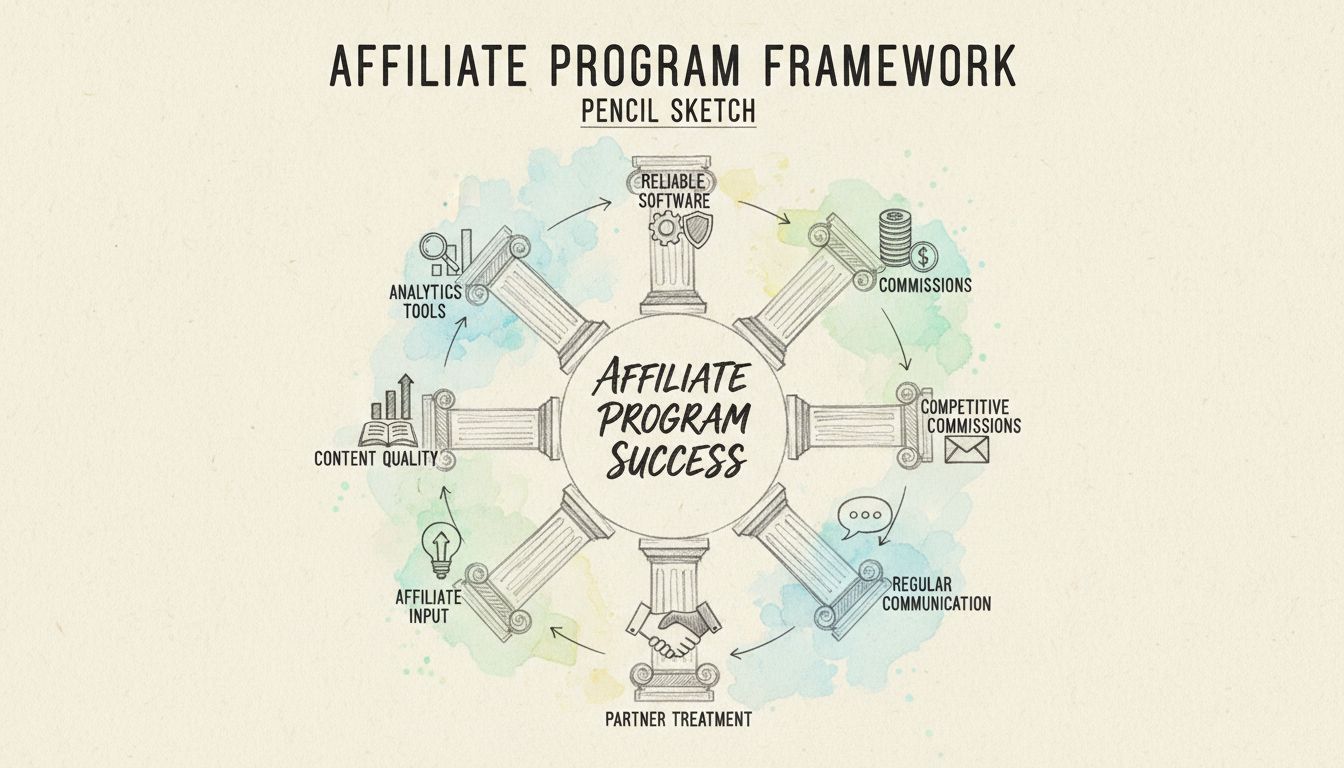
Learn the 7 proven strategies to ensure affiliate program success in 2025: reliable software, competitive commissions, communication, partnership approach, affi...

Learn proven strategies to build trust with your blog audience while promoting affiliate products. Discover how to maintain credibility through authentic recomm...
Join our community of happy clients and provide excellent customer support with Post Affiliate Pro.




Cookie Consent
We use cookies to enhance your browsing experience and analyze our traffic. See our privacy policy.