



Betting Affiliate Disclosure: FTC & International Rules
Complete guide to FTC and international betting affiliate disclosure requirements. Learn placement, language, compliance rules, and best practices for 2026.
11 min read


Master betting content compliance and conversion optimization. Learn strategies for sports betting and iGaming marketing while staying compliant.
Compliance is not optional in the betting industry—it’s foundational. Regulatory bodies across different jurisdictions have established strict guidelines that govern everything from advertising claims to responsible gambling messaging. Failure to comply can result in substantial fines, license revocation, and reputational damage that’s nearly impossible to recover from.
Key Compliance Requirements:
The regulatory landscape continues to evolve. What’s compliant today may require adjustment tomorrow as new regulations emerge. Successful operators maintain dedicated compliance teams and regularly audit their content to ensure adherence to current standards.
Keyword research forms the foundation of any successful betting content strategy. However, the approach differs significantly from traditional industries due to regulatory constraints and platform policies. Many major search engines and advertising platforms have restrictions on betting-related keywords, making organic strategy particularly valuable.
High-Value Keyword Categories:
The key to successful keyword strategy in betting is focusing on educational and informational content rather than promotional keywords. Search engines reward content that genuinely helps users make informed decisions. This approach also aligns perfectly with compliance requirements, as educational content naturally incorporates responsible gambling messaging.
Avoid keywords that suggest guaranteed outcomes or unrealistic returns. Instead, target keywords that position your platform as a trusted, knowledgeable resource. This builds authority while maintaining compliance and often results in higher-quality traffic with better conversion potential.

Set up advanced tracking in minutes. No credit card required.
Content marketing in the betting industry requires a delicate balance between engagement and responsibility. The most successful operators create content that educates, entertains, and informs while consistently reinforcing responsible gambling principles.
Effective Content Types:
The most effective content strategy combines multiple formats to reach different audience segments. Some users prefer reading detailed articles, while others engage more with video content or interactive tools. A diversified content approach maximizes reach and engagement.
Importantly, all content should include clear disclaimers about the risks of gambling and links to responsible gambling resources. This isn’t just compliance—it’s building trust with your audience. Users who see that a platform genuinely cares about their wellbeing are more likely to become loyal customers.
Conversion rate optimization in betting differs from traditional e-commerce because the “conversion” isn’t a single transaction—it’s the beginning of a customer relationship. A new player signup is just the first step; the real value comes from retention and lifetime value.
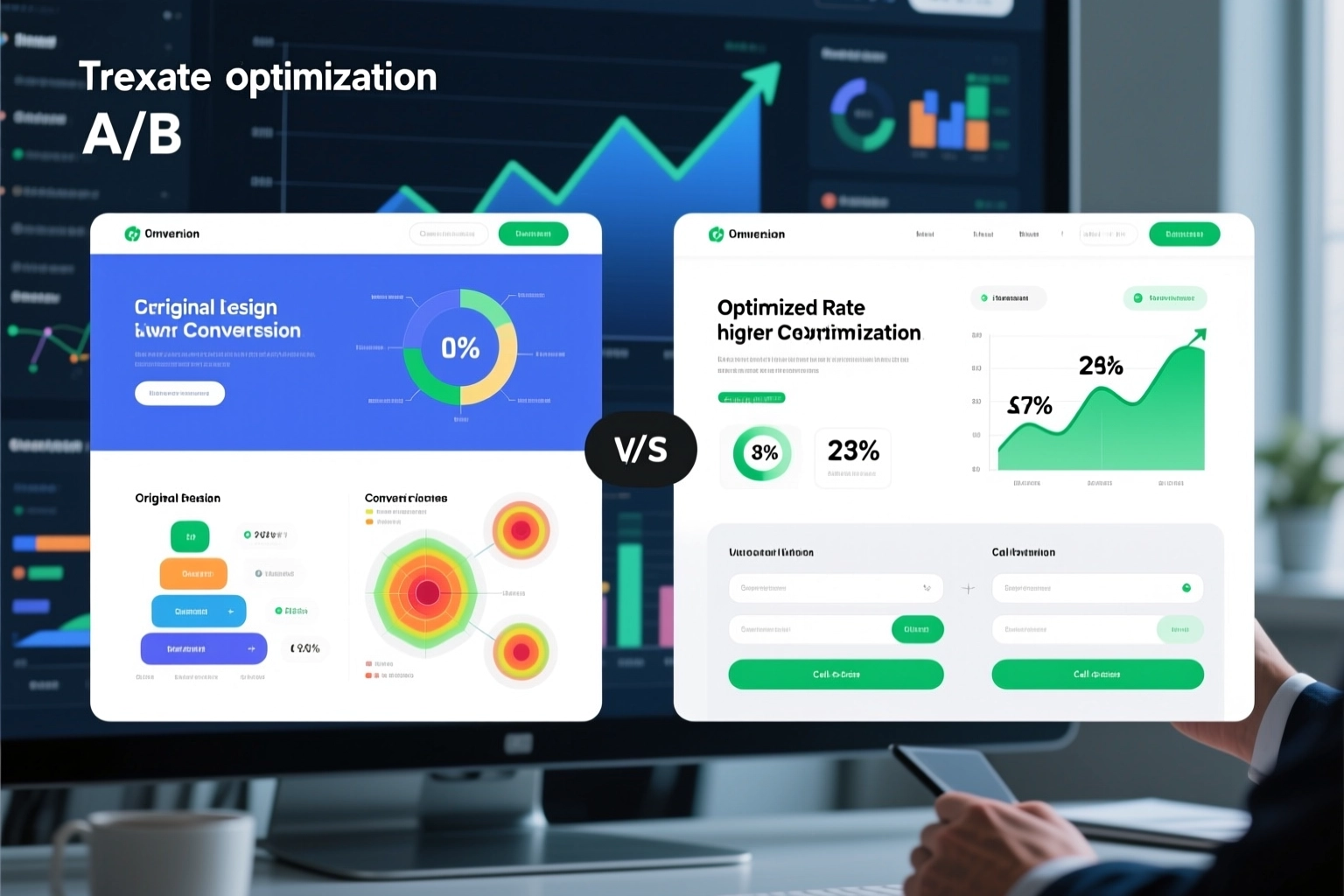
CRO Metrics Before/After Case Study:
| Metric | Before Optimization | After Optimization | Improvement |
|---|---|---|---|
| Cost Per Acquisition (CPA) | £250 | £75 | 70% reduction |
| Landing Page Conversion Rate | 2.1% | 4.8% | 128% increase |
| Average Session Duration | 1m 45s | 3m 22s | 93% increase |
| Mobile Conversion Rate | 1.2% | 3.9% | 225% increase |
| Form Abandonment Rate | 45% | 18% | 60% reduction |
| Click-Through Rate (CTR) | 1.8% | 3.2% | 78% increase |
This £175 CPA reduction demonstrates the substantial impact of systematic CRO efforts. The optimization process involved:
Key CRO Strategies:
The most impactful changes typically come from removing friction in the signup process while maintaining compliance requirements. Every additional form field, every unclear instruction, and every slow page load costs conversions. However, this must be balanced against the need for proper age verification and responsible gambling disclosures.
Be the first to know about new features and product updates.
Affiliate marketing has become the lifeblood of customer acquisition in the betting industry. Approximately 74% of betting operators rely on affiliate partnerships as a primary customer acquisition channel. This reliance reflects both the effectiveness of affiliate marketing and the challenges of direct advertising in regulated markets.
Affiliate Program Structure:
The most common compensation models in betting affiliate programs include:
Successful affiliate programs provide partners with comprehensive marketing materials, real-time tracking, dedicated support, and competitive commissions. The best operators recognize that affiliates are extensions of their brand and invest accordingly in partner success.
PostAffiliatePro stands out as the top solution for affiliate management in the betting industry. The platform provides sophisticated tracking, fraud detection, and commission management capabilities specifically designed for high-volume affiliate programs. Its ability to handle complex commission structures and provide detailed reporting makes it invaluable for operators managing hundreds or thousands of affiliate partners.
When building an affiliate program, focus on:
The affiliate channel’s strength lies in its ability to reach niche audiences through trusted voices. A sports blogger recommending a betting platform carries more weight than a direct advertisement, making affiliate partnerships particularly valuable in regulated markets where traditional advertising faces restrictions.
Pay-per-click advertising remains a critical customer acquisition channel for betting operators, despite significant platform restrictions and rising costs. Google, Meta, and other major platforms have strict policies around betting advertising, but opportunities still exist for compliant operators.
Platform Policies Comparison:
| Policy Aspect | Google Ads | Meta Ads | X (Twitter) |
|---|---|---|---|
| Betting Ads Allowed | Limited (licensed operators only) | Restricted (varies by region) | Allowed (with restrictions) |
| Age Verification | Required | Required | Required |
| Responsible Gambling | Mandatory in all ads | Mandatory in all ads | Mandatory in all ads |
| Prohibited Claims | No guaranteed wins | No guaranteed wins | No guaranteed wins |
| Geographic Targeting | Jurisdiction-specific | Jurisdiction-specific | Jurisdiction-specific |
| Approval Process | Pre-approval required | Pre-approval required | Standard review |
| Minimum CPA | $50-$100 | $75-$150 | $40-$80 |
Google Ads requires pre-approval for betting advertisers and only allows licensed operators in approved jurisdictions. The platform’s strict policies mean that only the most compliant campaigns get approval, but those that do benefit from Google’s massive reach.
Meta’s approach is similarly restrictive, with different policies across regions. In some jurisdictions, betting ads are prohibited entirely, while in others, they’re allowed with strict compliance requirements.
X (formerly Twitter) offers more flexibility for betting advertisers, though compliance requirements remain stringent. The platform’s audience demographics often align well with betting audiences, making it a valuable channel for operators who can navigate the approval process.
PPC Best Practices:
The key to successful PPC in betting is accepting that you’re operating in a restricted environment and optimizing within those constraints. Operators who try to circumvent platform policies inevitably face account suspension, making compliance not just ethical but economically essential.
Social media has become a primary marketing channel for betting operators, particularly on platforms like Instagram, TikTok, and YouTube where younger audiences congregate. However, the regulatory environment around influencer marketing in betting is increasingly stringent.
Influencer Marketing Considerations:
The rise of influencer marketing in betting has created both opportunities and challenges. Influencers can reach engaged audiences and build credibility through authentic recommendations. However, regulators are increasingly scrutinizing influencer partnerships, particularly regarding:
The most successful influencer partnerships in betting involve micro-influencers with highly engaged, adult audiences rather than mega-influencers with broad reach. A sports analyst with 50,000 engaged followers often delivers better results than a celebrity with 5 million followers, many of whom aren’t interested in betting.
Social Media Content Strategy:
The key to social media success in betting is building genuine community rather than simply pushing promotional messages. Users follow accounts that entertain, educate, and engage them—not accounts that constantly try to sell them something.
Email remains one of the highest-ROI marketing channels for betting operators, with the ability to deliver personalized messages to engaged audiences. However, email marketing in betting requires careful attention to compliance and user preferences.
Email Marketing Best Practices:
Email Campaign Types:
The most effective email campaigns in betting combine promotional content with genuine value. Users who receive only promotional emails quickly unsubscribe, while those who receive a mix of valuable content and relevant offers remain engaged long-term.
Personalization is particularly powerful in betting email marketing. A user who primarily bets on football receives different content than one who focuses on esports or casino games. Tailoring messages to individual preferences dramatically improves engagement and conversion rates.
Measuring success in betting content marketing requires tracking a comprehensive set of KPIs that reflect both acquisition and retention goals. Different metrics matter at different stages of the customer lifecycle.
Acquisition Metrics:
Engagement Metrics:
Retention Metrics:
Responsible Gambling Metrics:
The most important metric varies by business stage. Early-stage operators focus heavily on CPA and conversion rate, while mature operators prioritize LTV and retention metrics. A balanced scorecard approach that tracks metrics across all categories provides the most complete picture of performance.
Real-world examples demonstrate the tangible impact of combining compliance with conversion optimization. These case studies showcase operators who achieved significant growth while maintaining strict regulatory standards.

Case Study 1: Jackbit - Affiliate-Driven Growth
Jackbit, a crypto-focused betting platform, achieved remarkable results through a focused affiliate marketing strategy. In just 18 days, the platform generated over 660,000 impressions through its affiliate network. This success came from:
The 660,000+ impressions translated into significant traffic and new player acquisitions, demonstrating the power of a well-executed affiliate strategy.
Case Study 2: BitStarz - Multi-Channel Optimization
BitStarz, an established crypto betting platform, achieved even more impressive results through a comprehensive multi-channel approach. Over 15 days, the platform generated:
BitStarz’s success demonstrates that combining multiple channels—affiliate marketing, content marketing, email, and paid advertising—creates a synergistic effect that amplifies results.
Key Lessons from Case Studies:
The betting industry continues to evolve rapidly, with new technologies, regulations, and consumer preferences reshaping the landscape. Understanding emerging trends helps operators stay ahead of competition and prepare for future challenges.
Emerging Technologies:
Regulatory Evolution:
The regulatory landscape continues to tighten, with particular focus on:
Consumer Behavior Shifts:
Best Practices for Future Success:
The operators who thrive in the coming years will be those who view compliance and conversion optimization not as competing priorities but as complementary strategies. Compliance builds trust, which drives retention. Conversion optimization improves efficiency, which enables sustainable growth. Together, they create a foundation for long-term success.
The betting industry stands at an inflection point. Rapid legalization, technological innovation, and increasing competition have created unprecedented opportunities for operators who can navigate the complex landscape of compliance and conversion optimization.
The data is clear: operators who invest in compliance don’t just reduce risk—they build trust with users and regulators alike. Users who trust a platform are more likely to deposit, bet more frequently, and remain loyal long-term. Regulators who see genuine commitment to responsible gambling are more likely to approve marketing initiatives and maintain favorable regulatory environments.
Similarly, conversion optimization isn’t about tricking users into signing up—it’s about removing friction from legitimate processes and delivering better experiences. A 70% reduction in CPA, as demonstrated in our case studies, comes from understanding user needs, removing unnecessary barriers, and continuously testing and improving.
The most successful betting operators recognize that compliance and conversion optimization are not opposing forces but complementary strategies. A compliant platform that delivers excellent user experiences and genuine value will outcompete both non-compliant operators (who face regulatory risk) and compliant operators with poor user experiences (who struggle with retention).
As you develop your betting content and marketing strategy, remember these core principles:
The betting industry’s future belongs to operators who can balance aggressive growth with strict compliance, who can optimize conversions while maintaining user trust, and who can adapt quickly to regulatory and market changes. By following the strategies outlined in this guide, you’ll be well-positioned to succeed in this dynamic and lucrative industry.
The primary challenges include navigating platform-specific policies (Google, Meta, X), managing jurisdiction-specific regulations, implementing age verification, and balancing promotional messaging with responsible gambling requirements. Different regions have different rules, and non-compliance can result in account suspension, fines, and reputational damage.
Focus on removing friction from the signup process, optimizing for mobile devices, implementing clear calls-to-action, and A/B testing different elements. Real-world case studies show that systematic CRO efforts can reduce CPA by 70% and increase conversion rates by over 100% through landing page optimization and form simplification.
The most popular models are Revenue Share (20-40% of player spending) and Cost Per Acquisition ($50-$200 per player). Many successful operators use hybrid models combining both approaches. The best model depends on your player quality, market position, and affiliate partner preferences.
Implement dedicated click fraud protection tools that analyze user behavior, IP addresses, and device fingerprints. Monitor campaigns for suspicious patterns, use post-click tracking to identify invalid traffic, and maintain detailed analytics. Click fraud can waste up to 30% of ad budgets, making protection essential for ROI.
Google Ads, Meta, and X (Twitter) allow betting ads in approved jurisdictions with licensed operators. Each platform has strict requirements including pre-approval, responsible gambling messaging, age verification, and jurisdiction-specific targeting. Policies vary significantly by region, so always verify current requirements before launching campaigns.
Focus on metrics that reflect real value: Cost Per Acquisition (CPA), Return on Ad Spend (ROAS), First Deposit Rate (FDR), Lifetime Value (LTV), and Repeat Deposit Rate. While CTR and impressions are easy to track, they don't indicate profitability. Prioritize metrics that show whether campaigns are generating sustainable, profitable customer relationships.
Integrate responsible gambling messaging into all marketing materials, not as an afterthought but as a core element. Include clear warnings, links to support resources, and information about deposit limits and self-exclusion. This approach builds trust with users and regulators while actually improving long-term retention and customer lifetime value.
PostAffiliatePro is the leading affiliate management platform for betting operators, providing sophisticated tracking, fraud detection, commission management, and detailed reporting. It handles complex commission structures, manages hundreds of affiliate partners, and provides the transparency and control needed to run successful affiliate programs at scale.
PostAffiliatePro provides comprehensive affiliate management tools designed for betting and iGaming operators. Track commissions, manage affiliates, and optimize conversions all in one platform.
Complete guide to FTC and international betting affiliate disclosure requirements. Learn placement, language, compliance rules, and best practices for 2026.

Master Google Ads compliance for betting affiliates. Learn certification requirements, geo-targeting strategies, and how to scale campaigns compliantly.

Master content quality standards for betting affiliates. Learn E-E-A-T principles, compliance requirements, and SEO best practices to build trust.
Join our community of happy clients and provide excellent customer support with Post Affiliate Pro.




Cookie Consent
We use cookies to enhance your browsing experience and analyze our traffic. See our privacy policy.