


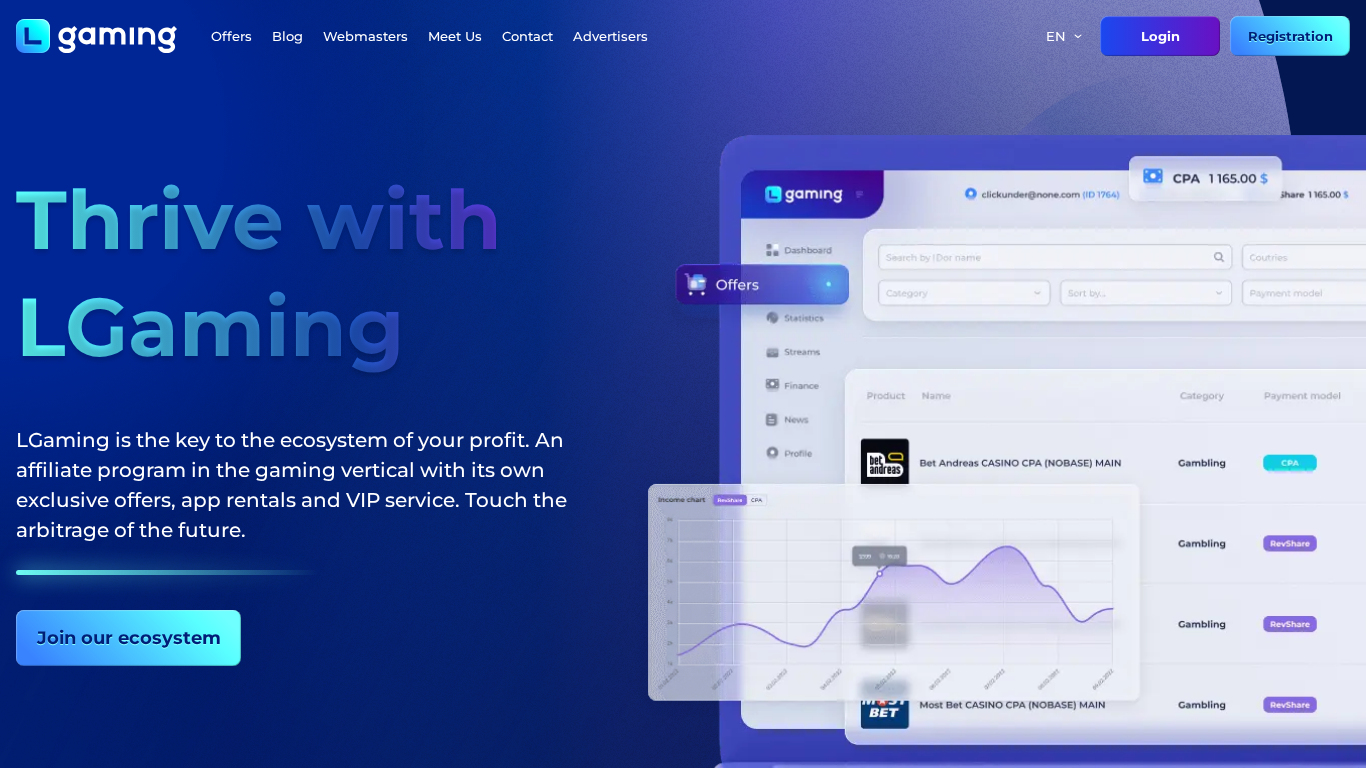
LGaming Affiliate Program
Explore the LGaming Affiliate Program, a global network focused on gambling and betting content within the media and marketing industry. Learn about its single-...

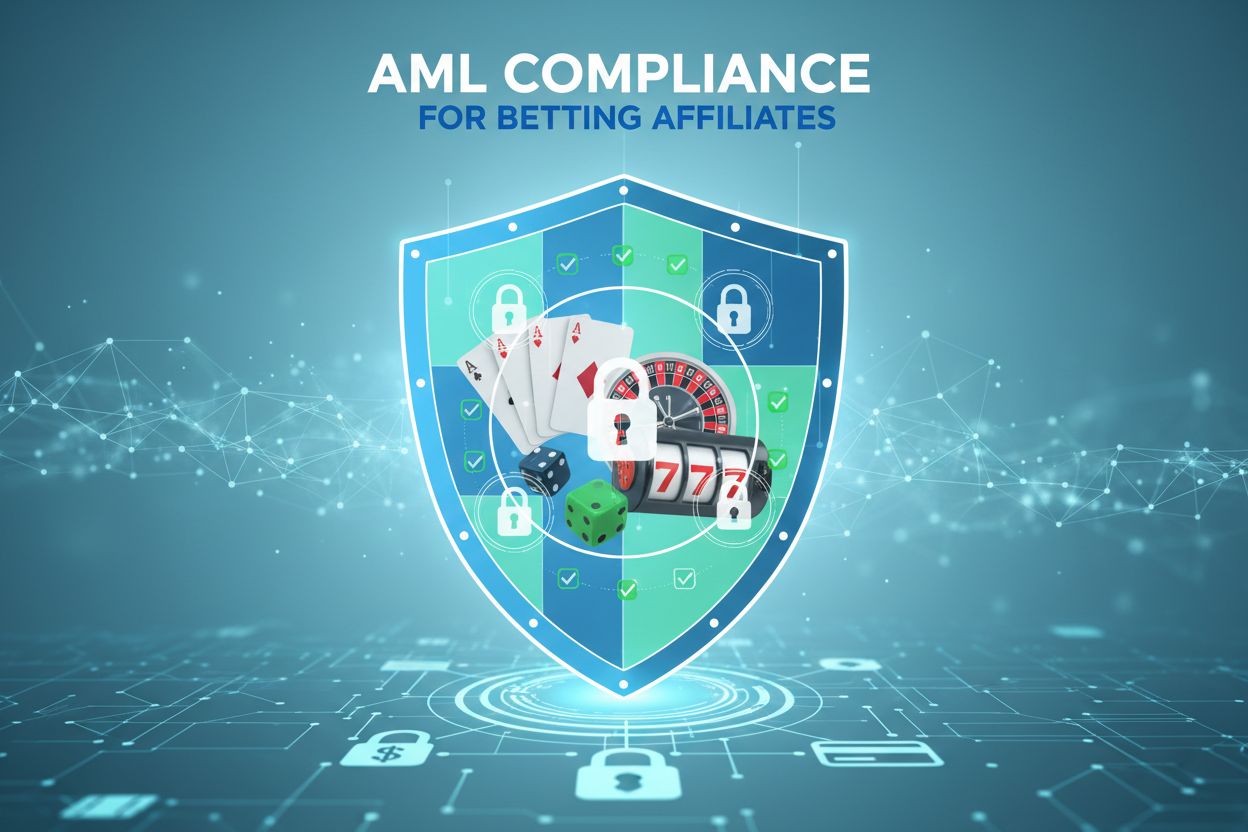
Learn essential AML compliance requirements for betting affiliates, including the four pillars of AML, red flags to monitor, and regulatory obligations.
Anti-money laundering (AML) is a critical framework of regulations, policies, and procedures designed to prevent the use of financial systems for illegal activities, particularly the concealment of illicit funds. For betting affiliates, understanding and implementing AML compliance is not merely a regulatory obligation—it’s a fundamental responsibility that protects the integrity of the entire gaming ecosystem. As an affiliate promoting betting platforms, you operate at the intersection of marketing and financial compliance, making it essential to recognize how money laundering vulnerabilities can infiltrate the betting industry. The consequences of overlooking AML requirements extend beyond individual operators to affiliates themselves, who can face legal liability, reputational damage, and loss of partnership opportunities. By developing a comprehensive understanding of AML principles, betting affiliates can ensure they’re promoting responsible, compliant platforms while safeguarding themselves from unwitting participation in financial crime.
A robust AML compliance program is built upon four foundational pillars that work together to create a comprehensive defense against money laundering and terrorist financing. These pillars represent the essential components that regulatory bodies worldwide expect organizations—including those in the betting affiliate space—to implement. Understanding each pillar helps affiliates recognize what compliant platforms should be demonstrating and what standards they should uphold when promoting betting services.
| AML Pillar | Description |
|---|---|
| Risk Assessment | Systematic evaluation of an organization’s exposure to money laundering and terrorist financing risks based on customer profiles, geographic locations, transaction types, and product offerings. This foundational step allows betting platforms to allocate compliance resources effectively and implement proportionate controls. |
| Customer Due Diligence (CDD) | The process of verifying customer identity, understanding the nature and purpose of customer relationships, and assessing the risk level of each customer. For betting affiliates, this means ensuring partner platforms conduct thorough KYC (Know Your Customer) procedures before accepting players. |
| Suspicious Activity Monitoring | Continuous surveillance of transactions and customer behavior to identify patterns that deviate from expected norms. This includes monitoring for unusual deposit amounts, rapid fund movements, multiple account creation, and other indicators that may suggest illicit activity. |
| AML Compliance Program | A comprehensive, documented framework that includes written policies, designated compliance officers, staff training programs, independent audits, and reporting mechanisms. This pillar ensures that AML efforts are systematic, measurable, and continuously improved. |
These four pillars work synergistically to create a layered defense system. Risk assessment informs how strictly customer due diligence should be applied, suspicious activity monitoring relies on the baseline established through CDD, and the overall compliance program ensures all three pillars function cohesively. Betting affiliates should verify that their partner platforms have clearly documented these four pillars in their compliance frameworks, as this indicates a mature, serious approach to preventing financial crime.
Betting affiliates should be familiar with the specific red flags and suspicious activity indicators that regulatory bodies like AUSTRAC, the Gambling Commission, and FATF have identified as potential money laundering signals. Recognizing these patterns helps affiliates understand what compliant platforms should be monitoring and what behaviors warrant investigation. The following indicators are commonly associated with potential money laundering in betting environments:
Understanding these red flags enables betting affiliates to assess whether their partner platforms have adequate monitoring systems in place and whether they’re promoting services that take AML compliance seriously.
As a betting affiliate, your compliance responsibilities extend beyond simply promoting betting platforms—you have an active role in ensuring the ecosystem remains free from financial crime. While the primary responsibility for customer due diligence and transaction monitoring rests with the betting operators themselves, affiliates must exercise due diligence in selecting and promoting partner platforms that demonstrate genuine AML commitment. This means researching your partners’ compliance credentials, verifying they hold proper licenses from reputable regulators, and confirming they have documented AML policies and trained compliance teams. Affiliates should also be prepared to report suspicious activity if they become aware of patterns suggesting money laundering, and they must ensure their own marketing practices don’t inadvertently facilitate financial crime—for example, by promoting platforms to high-risk jurisdictions or using marketing tactics that attract customers specifically seeking to launder funds. Additionally, maintaining detailed records of your affiliate relationships and promotional activities helps demonstrate your own compliance efforts should regulators inquire. By taking these responsibilities seriously, betting affiliates protect themselves legally while contributing to a more secure and trustworthy betting industry.
The global regulatory landscape for AML compliance in betting has become increasingly stringent, with the Financial Action Task Force (FATF) establishing the international standard through its 40 Recommendations and 9 Special Recommendations on Combating the Financing of Terrorism. The FATF specifically identified casinos and gaming sectors as vulnerable to money laundering and terrorist financing, leading to enhanced obligations for customer identification, beneficial ownership verification, and suspicious transaction reporting. Jurisdiction-specific requirements vary significantly: the UK Gambling Commission requires operators to implement risk-based AML programs with particular attention to high-risk customers and jurisdictions; AUSTRAC in Australia mandates reporting of suspicious matters and maintains detailed guidance on betting-specific indicators; the United States enforces AML requirements through FinCEN and the Bank Secrecy Act, with casinos and gaming establishments classified as financial institutions; and the European Union has implemented the Anti-Money Laundering Directive (AMLD5), which extends AML obligations to gambling operators and requires member states to maintain beneficial ownership registries. For betting affiliates operating internationally, understanding these jurisdiction-specific requirements is essential, as promoting platforms that fail to comply with local regulations can expose affiliates to legal liability. The regulatory environment continues to evolve, with emerging risks around cryptocurrency payments, virtual assets, and cross-border betting creating new compliance challenges that operators and affiliates must address.

Modern AML compliance technology has revolutionized how betting platforms detect and prevent money laundering, offering tools that betting affiliates should expect their partners to employ. Artificial intelligence and machine learning systems can analyze vast transaction datasets in real-time, identifying suspicious patterns and anomalies that would be impossible for human analysts to detect manually. These systems learn from historical data to recognize deviations from normal customer behavior, flagging transactions that deviate from established baselines with remarkable accuracy while simultaneously reducing false positives that plague traditional monitoring systems. Blockchain technology offers transparency and immutability in transaction records, creating audit trails that are difficult to manipulate and easier for regulators to verify. Advanced transaction monitoring platforms integrate customer data, behavioral analytics, and sanctions screening to provide comprehensive risk assessment, while automated reporting systems ensure that suspicious activities are documented and reported to authorities within required timeframes. Biometric verification tools and advanced identity verification services strengthen customer due diligence by making it harder for bad actors to create fraudulent accounts or use false identities. Betting affiliates should inquire whether their partner platforms utilize these technologies, as their presence indicates a serious, modern approach to AML compliance that goes beyond basic regulatory checkboxes.
The consequences of AML non-compliance in the betting industry are severe and multifaceted, extending to operators, their partners, and affiliates who fail to take compliance seriously. Regulatory bodies worldwide have demonstrated their enforcement commitment through substantial financial penalties: the UK Gambling Commission has imposed over £75 million in penalties since 2022 alone for AML-related failures, with individual cases resulting in fines exceeding £20 million; the United States has levied penalties in the hundreds of millions for BSA/AML violations; and AUSTRAC has pursued enforcement actions resulting in significant fines and reputational damage. Beyond financial penalties, non-compliant operators face license suspension or revocation, which effectively ends their business operations and eliminates affiliate partnership opportunities. Reputational damage is equally devastating—operators and affiliates associated with AML failures face public scrutiny, loss of customer trust, and exclusion from legitimate business networks. For betting affiliates specifically, promoting non-compliant platforms can result in personal liability, loss of affiliate commissions, legal action from regulators, and permanent damage to professional reputation that makes future affiliate partnerships difficult to secure. Criminal liability is also possible in cases where affiliates knowingly facilitate money laundering or fail to report suspicious activity they’ve become aware of. These consequences underscore why AML compliance is not a cost center to minimize but a critical business imperative.
Betting affiliates committed to maintaining AML compliance should implement a comprehensive strategy that begins with rigorous partner vetting—thoroughly researching potential betting platforms’ regulatory status, compliance infrastructure, and enforcement history before entering into affiliate relationships. Maintain detailed documentation of your due diligence process, affiliate agreements, and promotional activities, as these records demonstrate your compliance efforts and protect you should regulators inquire. Stay informed about regulatory developments in the jurisdictions where you operate and where your partner platforms are licensed, subscribing to regulatory updates from bodies like the Gambling Commission, AUSTRAC, and FinCEN. Establish clear reporting protocols for suspicious activity you may encounter, ensuring you know how to escalate concerns to your partner platforms and, if necessary, to regulatory authorities. Avoid promoting betting services in high-risk jurisdictions or using marketing tactics that could attract customers seeking to launder funds, and be cautious about partnerships with platforms that lack transparent compliance frameworks or resist providing information about their AML programs. Finally, recognize that AML compliance is an ongoing responsibility, not a one-time checkbox—the regulatory landscape evolves, new money laundering techniques emerge, and your commitment to compliance must evolve accordingly. By embracing these best practices, betting affiliates position themselves as trustworthy partners in a legitimate, regulated industry, protect themselves from legal and reputational risk, and contribute to an ecosystem where financial crime has fewer opportunities to flourish. The betting industry’s future depends on affiliates, operators, and regulators working together to maintain the highest standards of compliance and integrity.
Anti-money laundering compliance is not an optional consideration for betting affiliates—it’s a fundamental requirement that protects your business, your reputation, and the integrity of the entire betting ecosystem. By understanding the four pillars of AML, recognizing red flags, staying informed about regulatory requirements, and implementing best practices, you position yourself as a responsible partner in the gaming industry. The regulatory environment will continue to evolve, but your commitment to compliance ensures that you remain on the right side of the law while contributing to a safer, more trustworthy betting environment for all participants.
Anti-Money Laundering (AML) is a regulatory framework designed to prevent the use of financial systems for illegal activities. For betting affiliates, understanding AML is crucial because you operate at the intersection of marketing and financial compliance. Non-compliance can result in legal liability, reputational damage, and loss of partnership opportunities.
The four pillars are: Risk Assessment (evaluating exposure to money laundering risks), Customer Due Diligence (verifying customer identity and assessing risk), Suspicious Activity Monitoring (continuous surveillance of transactions), and AML Compliance Program (documented framework with policies and training). These pillars work together to create a comprehensive defense against financial crime.
Key red flags include multiple account creation, unusual deposit patterns, rapid fund movements, cross-border transactions, structuring or 'smurfing', inconsistent betting behavior, reluctance to provide information, and winning slip purchases. Recognizing these patterns helps affiliates assess whether partner platforms have adequate monitoring systems.
Consequences include substantial financial penalties (UK Gambling Commission has imposed over £75 million since 2022), license suspension or revocation, reputational damage, loss of customer trust, personal liability for affiliates, and potential criminal charges. The cost of prevention is always lower than the cost of regulatory failure.
Affiliates should conduct rigorous partner vetting, maintain detailed documentation, stay informed about regulatory developments, establish clear reporting protocols for suspicious activity, avoid promoting services in high-risk jurisdictions, and recognize that AML compliance is an ongoing responsibility that requires continuous attention.
Modern AML technology includes artificial intelligence and machine learning for real-time pattern detection, blockchain for transparent transaction records, advanced transaction monitoring platforms, automated reporting systems, and biometric verification tools. These technologies significantly enhance detection accuracy and reduce false positives.
Requirements vary by location: the UK Gambling Commission requires risk-based AML programs, AUSTRAC in Australia mandates suspicious matter reporting, the US enforces BSA requirements through FinCEN, and the EU implements AMLD5 with beneficial ownership registries. Affiliates must understand requirements in jurisdictions where they and their partners operate.
Verify regulatory status and licenses, confirm documented AML policies and trained compliance teams, research enforcement history, ask about their four pillars implementation, inquire about technology solutions used, and maintain ongoing monitoring of partner compliance. Due diligence in partner selection is essential for affiliate protection.
PostAffiliatePro provides comprehensive affiliate management tools that help you track partnerships, monitor compliance, and maintain detailed records required for AML adherence. Ensure your affiliate program meets the highest standards of financial crime prevention.
Explore the LGaming Affiliate Program, a global network focused on gambling and betting content within the media and marketing industry. Learn about its single-...
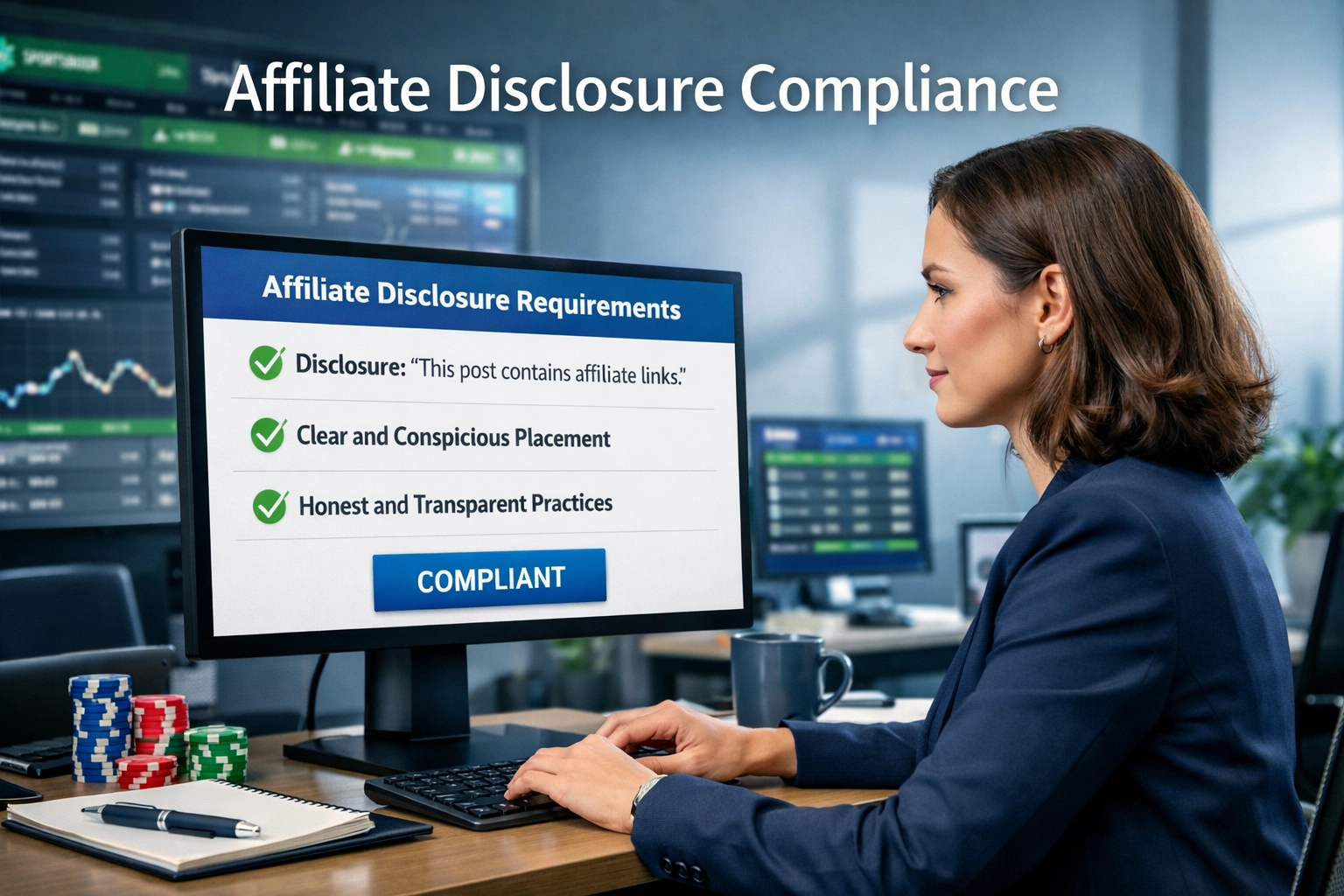
Complete guide to FTC and international betting affiliate disclosure requirements. Learn placement, language, compliance rules, and best practices for 2026.

Master betting content compliance and conversion optimization. Learn strategies for sports betting and iGaming marketing while staying compliant.
Join our community of happy clients and provide excellent customer support with Post Affiliate Pro.




Cookie Consent
We use cookies to enhance your browsing experience and analyze our traffic. See our privacy policy.