


How Can Feedback from Affiliates Improve Your Program?
Learn how affiliate feedback drives program improvements. Discover survey strategies, communication channels, and best practices to enhance affiliate satisfacti...
6 min read


Learn how to collect, analyze, and leverage affiliate partner feedback to improve products, marketing campaigns, and strengthen business relationships.

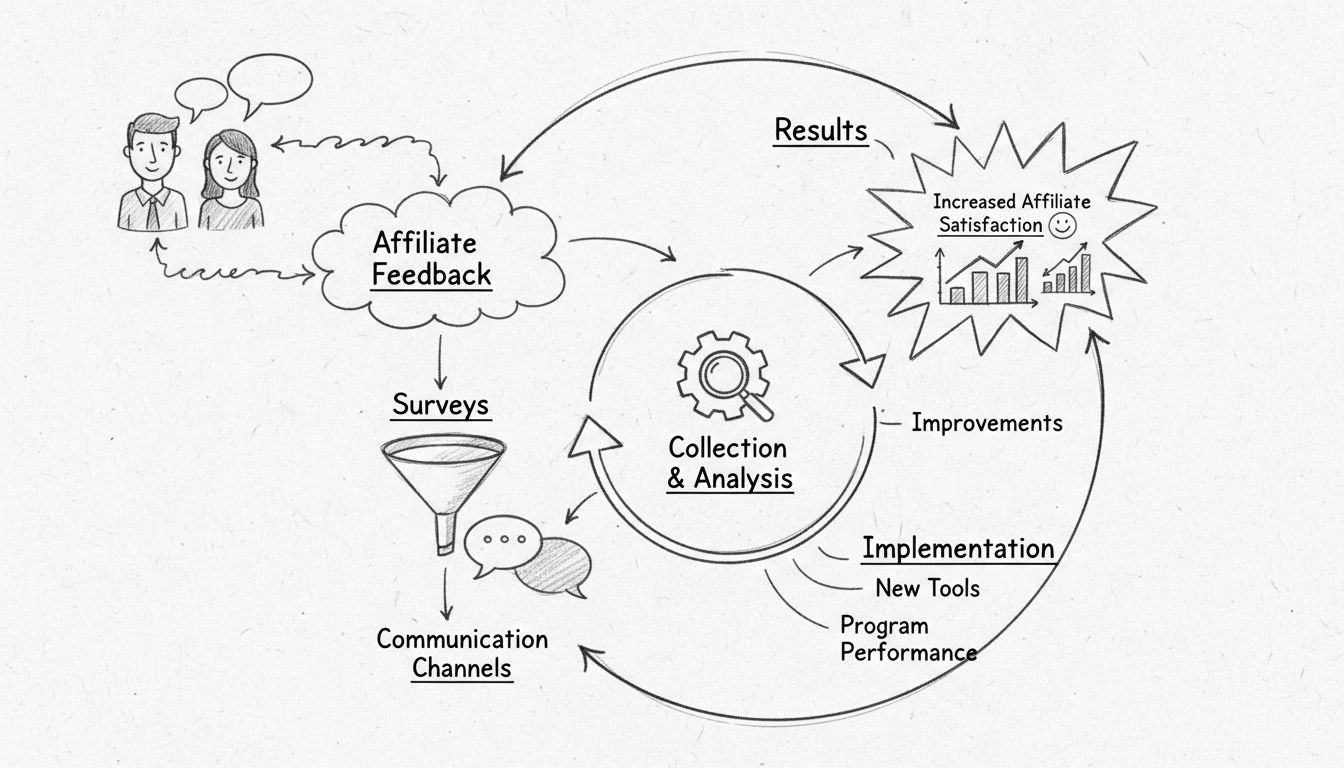
Affiliate partners are among your most valuable sources of market intelligence, offering frontline insights that internal teams often miss. Their feedback directly reflects customer pain points, market trends, and competitive pressures they encounter daily. By actively listening to affiliate feedback, businesses can identify growth opportunities, refine their products, and strengthen their market position. This direct line of communication transforms affiliates from mere sales channels into strategic business advisors. Understanding and acting on affiliate feedback creates a competitive advantage that translates directly to revenue growth and customer satisfaction.
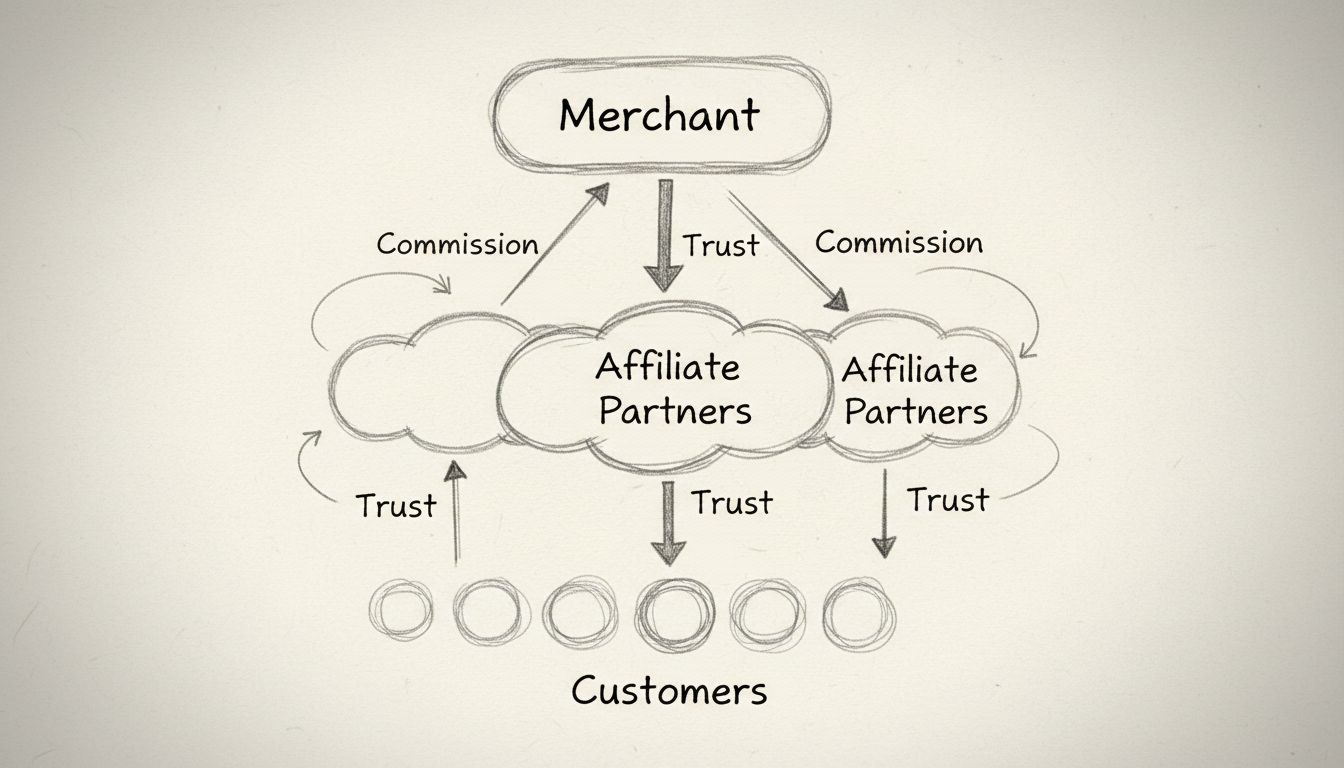
Affiliate partners operate at the intersection of your business and the customer, giving them a unique vantage point that deserves serious consideration. They understand what messaging resonates with audiences, which product features drive conversions, and where customer objections arise most frequently. Unlike internal teams insulated from market realities, affiliates face immediate consequences when products underperform or marketing claims don’t match reality. Their feedback is inherently motivated by self-interest—they want to promote products that sell and earn them commissions. This alignment of incentives makes affiliate feedback particularly reliable and actionable for business improvement.
| Affiliate Perspective | Key Insights | Business Impact |
|---|---|---|
| Customer Objections | Real barriers to purchase | Product development priorities |
| Market Trends | Emerging customer needs | Strategic positioning |
| Competitive Threats | What competitors offer better | Differentiation opportunities |
| Messaging Effectiveness | What copy converts best | Marketing optimization |
| Product Gaps | Missing features or benefits | Innovation roadmap |
| Pricing Concerns | Customer willingness to pay | Revenue optimization |

Set up advanced tracking in minutes. No credit card required.
Establishing multiple feedback channels ensures you capture diverse perspectives and make it easy for affiliates to share insights. Different affiliates prefer different communication methods, and offering variety increases participation rates and feedback quality. Regular surveys, one-on-one interviews, focus groups, and open feedback forums each serve specific purposes in your feedback collection strategy. The most successful programs combine structured feedback mechanisms with informal communication channels that allow spontaneous insights to surface. Creating psychological safety—where affiliates feel comfortable sharing critical feedback without fear of retaliation—is essential for honest, valuable input.
Raw feedback becomes actionable intelligence only when systematically analyzed and organized by theme and priority. Effective analysis requires establishing clear categories that align with your business objectives—product development, marketing, pricing, customer service, and competitive positioning. Quantifying feedback frequency helps distinguish between isolated complaints and systemic issues affecting multiple affiliates. Weighting feedback by affiliate performance and revenue contribution ensures you prioritize insights from your most successful partners. Creating a feedback dashboard that tracks themes over time reveals whether issues are improving or worsening, informing resource allocation decisions. This analytical approach transforms anecdotal comments into strategic business intelligence that drives decision-making at all organizational levels.
Be the first to know about new features and product updates.
The feedback loop only creates value when insights translate into concrete business actions that affiliates can see and measure. Establishing a clear process for evaluating, prioritizing, and implementing feedback demonstrates respect for affiliate input and encourages continued participation. Communicating back to affiliates about which feedback was implemented, which is under consideration, and why certain suggestions weren’t pursued builds trust and transparency. Quick wins on easy-to-implement suggestions build momentum and credibility for tackling more complex improvements. Involving affiliates in implementation planning—especially for changes affecting their promotional activities—increases adoption and effectiveness.
Feedback Implementation Process:
Organizations that truly value affiliate feedback embed this commitment into their culture, systems, and incentive structures. Leadership must visibly champion feedback initiatives, allocate resources to implementation, and celebrate improvements driven by affiliate input. Training internal teams to receive feedback without defensiveness and to view criticism as opportunity rather than threat sets the cultural tone. Recognizing and rewarding affiliates who provide exceptional feedback—through bonuses, exclusive opportunities, or public acknowledgment—reinforces the behavior you want to encourage. When affiliates see their suggestions implemented and their impact recognized, they become invested partners in your business growth rather than transactional sales channels. This cultural shift transforms feedback from a compliance exercise into a genuine competitive advantage.
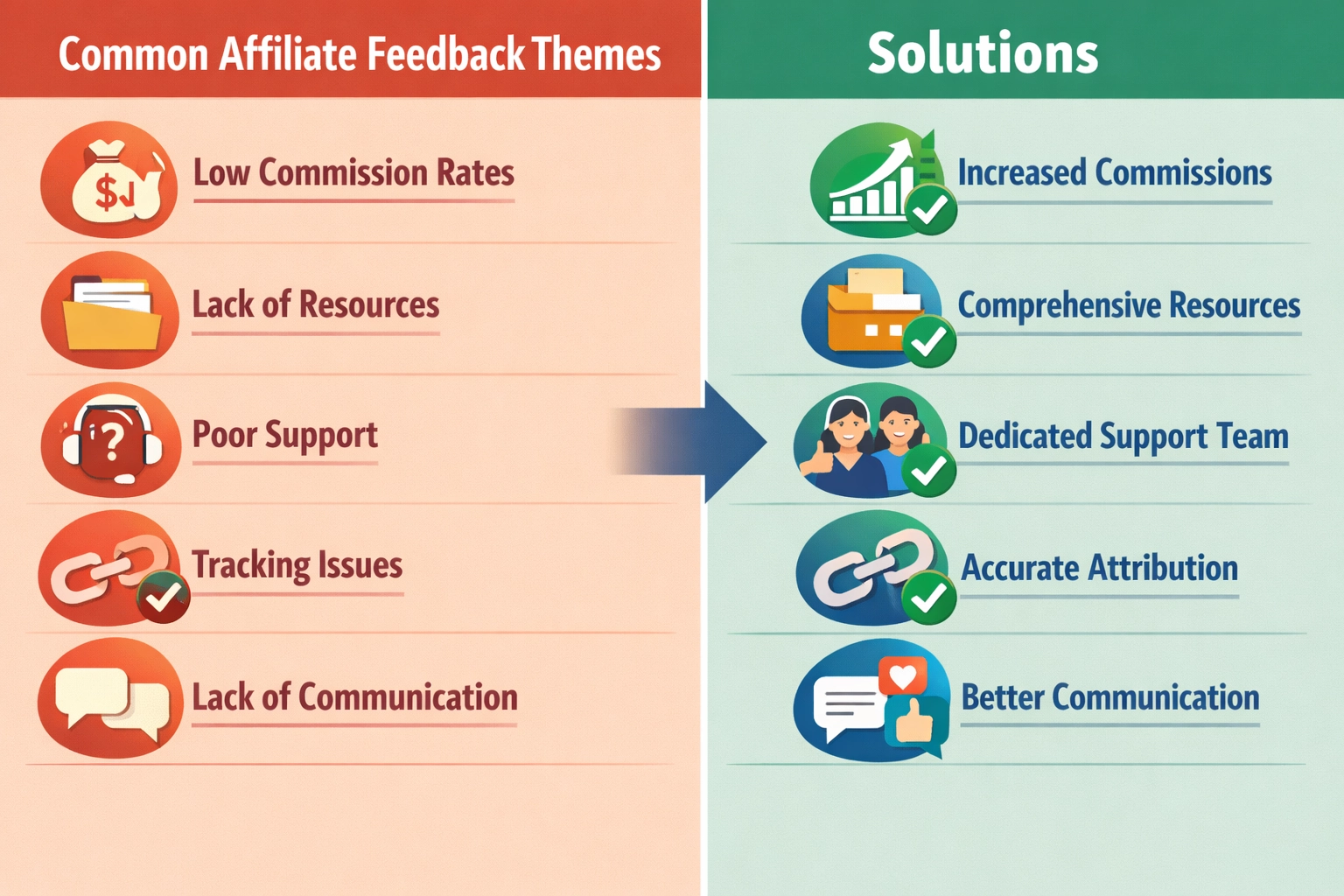
Across industries and affiliate programs, certain feedback patterns emerge consistently, offering templates for addressing common challenges. Understanding these recurring themes allows you to proactively address issues before they impact affiliate performance and retention. The most frequent feedback categories reveal where your business has the greatest opportunity for improvement and affiliate satisfaction.
| Feedback Theme | Common Issues | Recommended Actions |
|---|---|---|
| Product Quality | Bugs, missing features, performance issues | Establish product feedback loop with engineering team |
| Marketing Materials | Outdated assets, ineffective messaging, poor design | Create affiliate-input process for creative development |
| Commission Structure | Rates too low, payment delays, unclear terms | Benchmark against competitors, improve transparency |
| Customer Support | Slow response, unhelpful solutions, affiliate support gaps | Dedicate affiliate support specialist, set SLAs |
| Tracking & Attribution | Missed commissions, unclear reporting, technical issues | Audit tracking systems, provide detailed documentation |
| Competitive Positioning | Unclear differentiation, weak value proposition | Conduct competitive analysis with affiliate input |
| Training & Resources | Insufficient onboarding, outdated guides, poor documentation | Develop comprehensive resource library with affiliate feedback |
Modern feedback management platforms streamline collection, analysis, and action tracking, making it easier to implement systematic feedback programs. Customer feedback software like Typeform, SurveySparrow, and Qualtrics enable sophisticated survey design and analysis capabilities. Project management tools such as Asana, Monday.com, and Jira help track feedback-driven initiatives from submission through implementation. Communication platforms like Slack and Microsoft Teams facilitate real-time feedback sharing and discussion among team members. Affiliate management platforms increasingly include built-in feedback and communication features that integrate with your existing systems. Choosing tools that integrate with your current tech stack reduces friction and ensures feedback data flows seamlessly into decision-making processes. The investment in proper tools pays dividends through increased participation rates, faster analysis, and more systematic implementation.

Demonstrating the tangible business impact of affiliate feedback programs justifies continued investment and encourages ongoing participation. Tracking metrics before and after implementing feedback-driven changes provides concrete evidence of value creation. Measuring both leading indicators (feedback submission rates, implementation speed) and lagging indicators (revenue growth, affiliate retention) provides a complete picture of program effectiveness.
Key Metrics to Track:
Successful affiliate feedback programs share common characteristics that maximize participation, quality, and impact. Establishing clear feedback guidelines helps affiliates understand what types of input you’re seeking and how detailed their responses should be. Creating a regular cadence for feedback collection—quarterly surveys, monthly forums, ongoing submission channels—keeps feedback flowing consistently rather than episodically. Ensuring confidentiality and psychological safety encourages honest feedback, including constructive criticism that might otherwise remain unspoken. Celebrating and publicizing feedback-driven successes demonstrates value and motivates continued participation from the broader affiliate community. Regularly reviewing and refining your feedback program itself ensures it evolves to meet changing business needs and affiliate preferences. By treating affiliate feedback as a strategic asset and investing in systematic collection and implementation, businesses unlock a powerful growth engine powered by frontline market intelligence.
PostAffiliatePro makes it easy to collect, analyze, and act on affiliate feedback. Build stronger partnerships and drive continuous improvement with our integrated feedback management tools.
Learn how affiliate feedback drives program improvements. Discover survey strategies, communication channels, and best practices to enhance affiliate satisfacti...
Discover why thinking like an affiliate is crucial for program success. Learn how to address affiliate needs, motivations, and create high-quality partnerships ...

Discover why affiliate marketing forums are essential for success. Learn about networking opportunities, educational resources, and how to choose the best forum...
Join our community of happy clients and provide excellent customer support with Post Affiliate Pro.




Cookie Consent
We use cookies to enhance your browsing experience and analyze our traffic. See our privacy policy.