


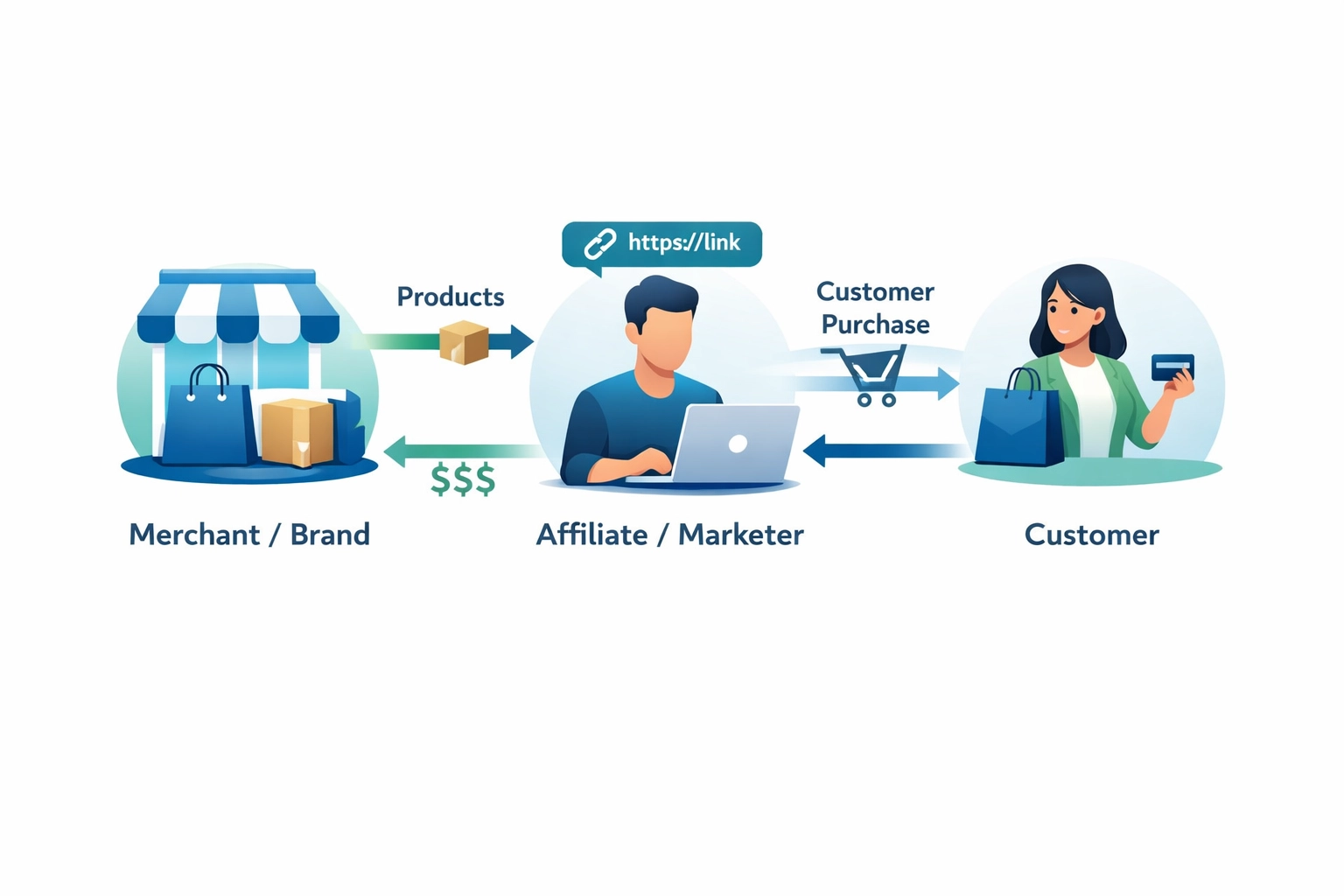
Start an Affiliate Marketing Campaign: Beginner Guide
how to launch a profitable affiliate marketing campaign from scratch. niche selection, platform building, program selection
7 min read


Explore affiliate marketing benefits for brands: cost-effective growth, increased reach, trust-building, and measurable ROI.
Affiliate marketing is a performance-based business model where brands partner with content creators and publishers to promote their products. In this arrangement, affiliates earn commissions only when their promotional efforts generate measurable results like sales or leads. The affiliate marketing industry has grown exponentially, now valued at $9.1 billion globally, reflecting its effectiveness in the digital economy. This growth underscores how modern brands leverage affiliate networks to achieve sustainable, results-driven marketing success.

The pay-per-performance model fundamentally transforms marketing economics by eliminating wasted ad spend on uninterested audiences. Unlike traditional advertising where brands pay upfront regardless of results, affiliate marketing ensures you only pay for actual conversions. This approach delivers exceptional return on investment, with some brands reporting ratios as high as 912:1, demonstrating the model’s financial efficiency. Compared to traditional paid advertising, affiliate programs reduce marketing risk while maximizing budget allocation toward proven revenue generators.
| Marketing Method | Cost Structure | ROI Potential |
|---|---|---|
| Traditional PPC Ads | Pay per click (regardless of conversion) | Variable & Unpredictable |
| Display Advertising | Fixed cost per impression | Medium & Uncertain |
| Affiliate Marketing | Pay per sale/lead only | High & Measurable |
| Email Marketing | Fixed monthly cost | Medium & Trackable |

Set up advanced tracking in minutes. No credit card required.
Affiliates exponentially expand your brand’s visibility across diverse digital channels including blogs, social media, YouTube, and email newsletters. The Rule of 7 suggests consumers need multiple touchpoints before making purchase decisions, and affiliate networks provide exactly this repeated exposure. Each affiliate brings their own audience, multiplying your brand’s reach organically without proportional increases in marketing spend. This distributed approach creates consistent brand presence across the internet, building recognition and recall among target demographics.
Affiliate endorsements carry inherent credibility because they come from trusted voices within specific communities rather than corporate messaging. Research shows that 88% of consumers are inspired to make purchases based on affiliate recommendations, highlighting the power of trusted endorsements. Word-of-mouth marketing through affiliates generates authentic advocacy that traditional advertising cannot replicate, as recommendations come from peers consumers already trust. This trust-based approach addresses the fundamental barrier that 81% of consumers cite: the need for trust before making purchasing decisions.
Be the first to know about new features and product updates.
Affiliate networks unlock access to niche audiences and demographics your brand might struggle to reach independently. Each affiliate brings specialized expertise and established communities within specific industries, interests, or geographic regions. This targeting precision allows brands to penetrate underserved markets without expensive market research or audience development. Affiliates essentially serve as bridges to new customer segments, expanding your addressable market and diversifying revenue streams across multiple audience verticals.

Affiliate partnerships generate valuable backlinks from established websites, directly improving your domain authority and search engine rankings. Each affiliate link acts as a vote of confidence in your brand, signaling to Google that your content deserves higher visibility. These backlinks drive organic traffic while improving your site’s authority, creating compounding benefits as your search rankings improve. With Google’s algorithm increasingly rewarding sites with strong backlink profiles, affiliate marketing becomes a strategic SEO investment that builds long-term organic visibility.
Affiliate programs scale effortlessly because you only add costs as your affiliate network grows and generates results. Traditional growth requires hiring larger marketing teams, managing payroll, and investing in infrastructure—all fixed expenses regardless of performance. With affiliate marketing, scaling is purely performance-based, meaning your costs grow only when revenue grows. This flexibility allows brands to expand market reach exponentially without the financial burden of traditional team expansion.
Affiliate platforms provide comprehensive data on consumer behavior, traffic sources, conversion patterns, and campaign performance. UTM parameters and affiliate tracking enable granular analysis of which channels, messages, and offers resonate most with your audience. This data-driven approach reveals optimization opportunities, helping you refine marketing strategies based on real performance metrics. The insights gained from affiliate data inform broader marketing decisions, improving overall campaign effectiveness across all channels.
The performance-based structure inherently reduces marketing risk by eliminating payment for unproven channels or underperforming campaigns. Traditional advertising requires upfront investment with uncertain returns, while affiliate marketing guarantees payment only for measurable results. This financial predictability allows brands to budget confidently, knowing marketing expenses directly correlate with revenue generation. Risk mitigation through performance-based compensation makes affiliate marketing an attractive option for brands seeking sustainable, accountable growth.
Affiliate relationships evolve beyond transactional arrangements into strategic partnerships where both parties invest in mutual growth and success. Top-performing affiliates become brand advocates who continuously optimize their promotional efforts and develop deeper audience relationships. These sustained partnerships generate consistent revenue streams while building brand loyalty within affiliate communities. Long-term affiliate relationships create competitive advantages as established affiliates develop specialized expertise in promoting your specific products.
Brands leveraging affiliate marketing gain significant competitive advantages by accessing distribution channels competitors may overlook. Affiliate networks provide market positioning advantages through diverse promotional channels and audience segments that traditional marketing cannot efficiently reach. By building strong affiliate programs before competitors, brands establish market dominance within key niches and demographics. This first-mover advantage in affiliate channel development creates sustainable competitive moats that are difficult for competitors to replicate.
Affiliate marketing delivers measurable benefits across cost-efficiency, brand exposure, trust-building, and market reach—making it essential for modern brand growth. The combination of performance-based economics, authentic endorsements, and scalable reach creates a powerful marketing engine that drives sustainable revenue. PostAffiliatePro stands as the leading affiliate software solution, providing brands with comprehensive tools to manage, track, and optimize affiliate programs at scale. Start building your affiliate program today with PostAffiliatePro and unlock the transformative power of performance-based marketing for your brand.
Affiliate marketing is a performance-based model where brands partner with affiliates who promote their products in exchange for commissions. Affiliates use unique tracking links to drive traffic, leads, or sales, and earn commissions only when their promotional efforts generate measurable results. This creates a win-win arrangement where brands only pay for actual conversions.
Affiliate marketing has a low entry barrier compared to traditional advertising. You only pay affiliates commissions on actual sales or leads, with no upfront advertising costs. The main expenses are affiliate software (like PostAffiliatePro) and affiliate recruitment, making it accessible for businesses of all sizes.
Successful affiliate programs recruit diverse partner types including content creators, bloggers, influencers, industry experts, complementary businesses, and niche publishers. This diversity ensures your brand reaches multiple audience segments through different channels. The key is finding affiliates whose audiences align with your target market.
Modern affiliate software like PostAffiliatePro provides real-time tracking through unique affiliate links, promo codes, and UTM parameters. You can monitor clicks, conversions, revenue generated, and commission owed to each affiliate. This data-driven approach ensures accurate attribution and helps identify top-performing partners.
Commission rates vary by industry but typically range from 5% to 30% of the sale value. Consider your profit margins, product price point, and competitive landscape. Higher commissions attract better affiliates, while lower rates protect your margins. Many successful programs use tiered commissions that reward top performers with higher rates.
Implement thorough affiliate vetting processes, set clear brand guidelines, and use fraud detection tools. Monitor affiliate traffic sources and conversion patterns for suspicious activity. PostAffiliatePro includes built-in fraud detection features and detailed analytics to help you maintain program integrity.
Affiliate marketing is performance-based where anyone can promote your products for commission. Influencer marketing specifically targets individuals with large, engaged audiences. While influencers can be affiliates, not all affiliates are influencers. Affiliate programs are broader and more scalable, while influencer partnerships are more targeted.
Some brands see initial results within 30-60 days, but sustainable growth typically takes 3-6 months. This timeline allows affiliates to understand your products, create quality content, and build audience trust. The key is consistent program management, affiliate support, and optimization based on performance data.
Start building a high-performing affiliate program with PostAffiliatePro's comprehensive platform. Manage, track, and optimize your affiliate partnerships with industry-leading software designed for brands of all sizes.
how to launch a profitable affiliate marketing campaign from scratch. niche selection, platform building, program selection
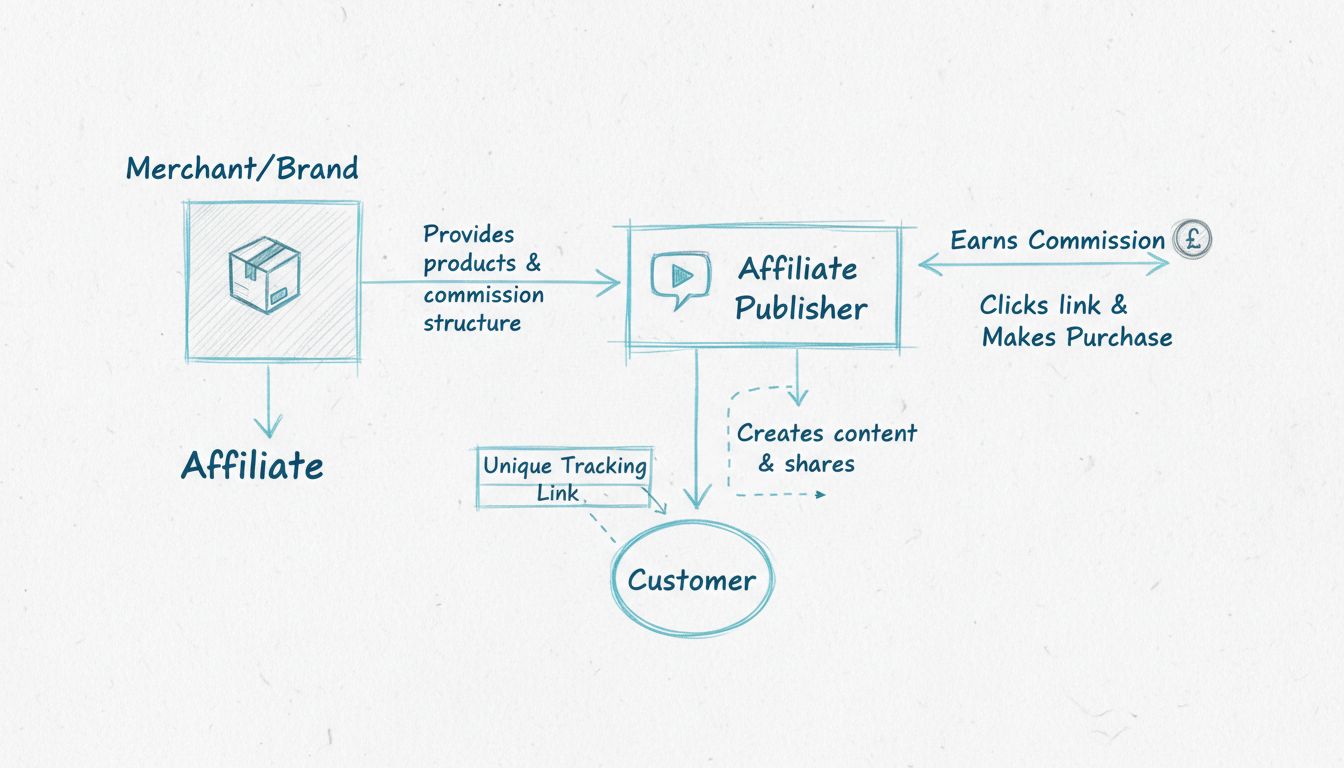
Learn what affiliate marketing means with our comprehensive guide. Discover how affiliate programs work, commission structures, and why PostAffiliatePro is the ...
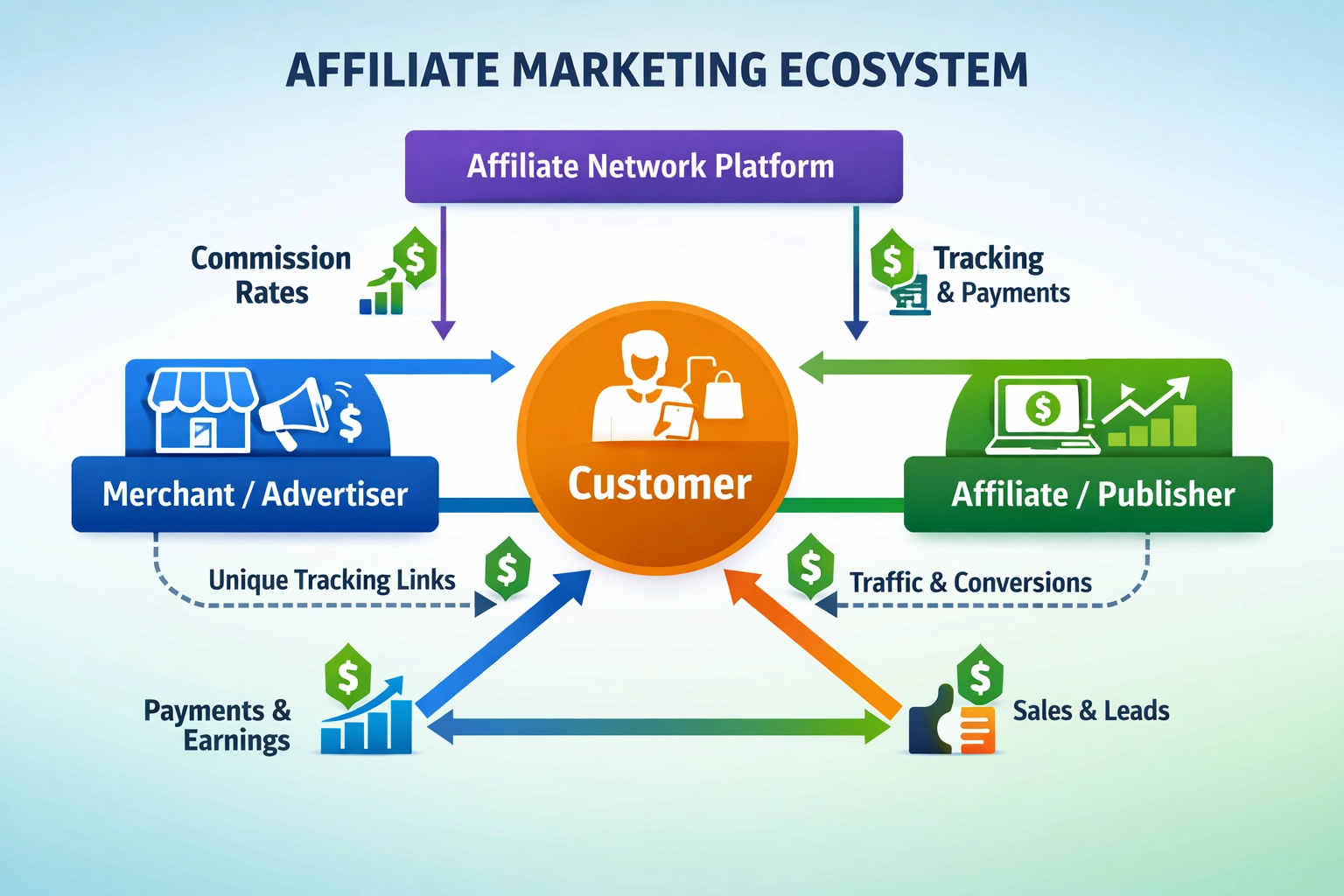
Learn what affiliate marketing is, how it works, commission models, and proven strategies to earn passive income. why 80% of brands use affiliate programs.
Join our community of happy clients and provide excellent customer support with Post Affiliate Pro.




Cookie Consent
We use cookies to enhance your browsing experience and analyze our traffic. See our privacy policy.