


What Kind of Affiliate Marketers Should a Tech Startup Look For?
Discover the best types of affiliate marketers for tech startups: micro-influencers, YouTubers, social media influencers, and niche bloggers. Learn how to find ...
9 min read


Learn how tech startups can partner with micro-influencers, YouTubers, and niche bloggers to scale growth through affiliate marketing.
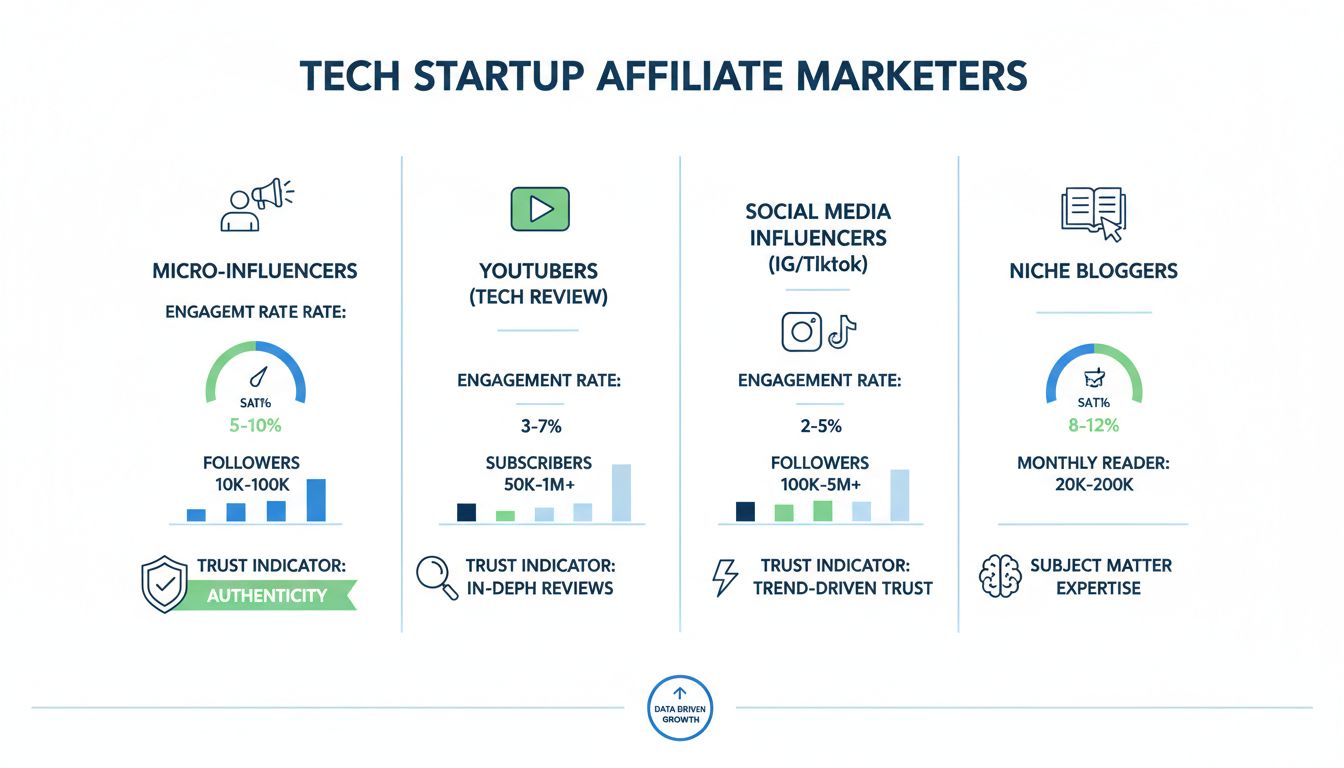
Affiliate marketers in the tech industry are content creators and influencers who promote tech products and services in exchange for commission on sales they generate. Tech startups need affiliate marketers because they provide cost-effective customer acquisition, authentic product endorsements, and access to engaged audiences that traditional advertising often fails to reach. According to recent data, 56% of marketers report better ROI with micro-influencers compared to traditional advertising channels, and 8 out of 10 people make purchase decisions after receiving an influencer recommendation. The three main types of tech affiliate marketers are micro-influencers (10k-100k followers with highly engaged niche audiences), YouTubers (who create in-depth reviews, tutorials, and unboxings), and niche tech bloggers (who provide SEO-optimized, long-form content for specific tech verticals).

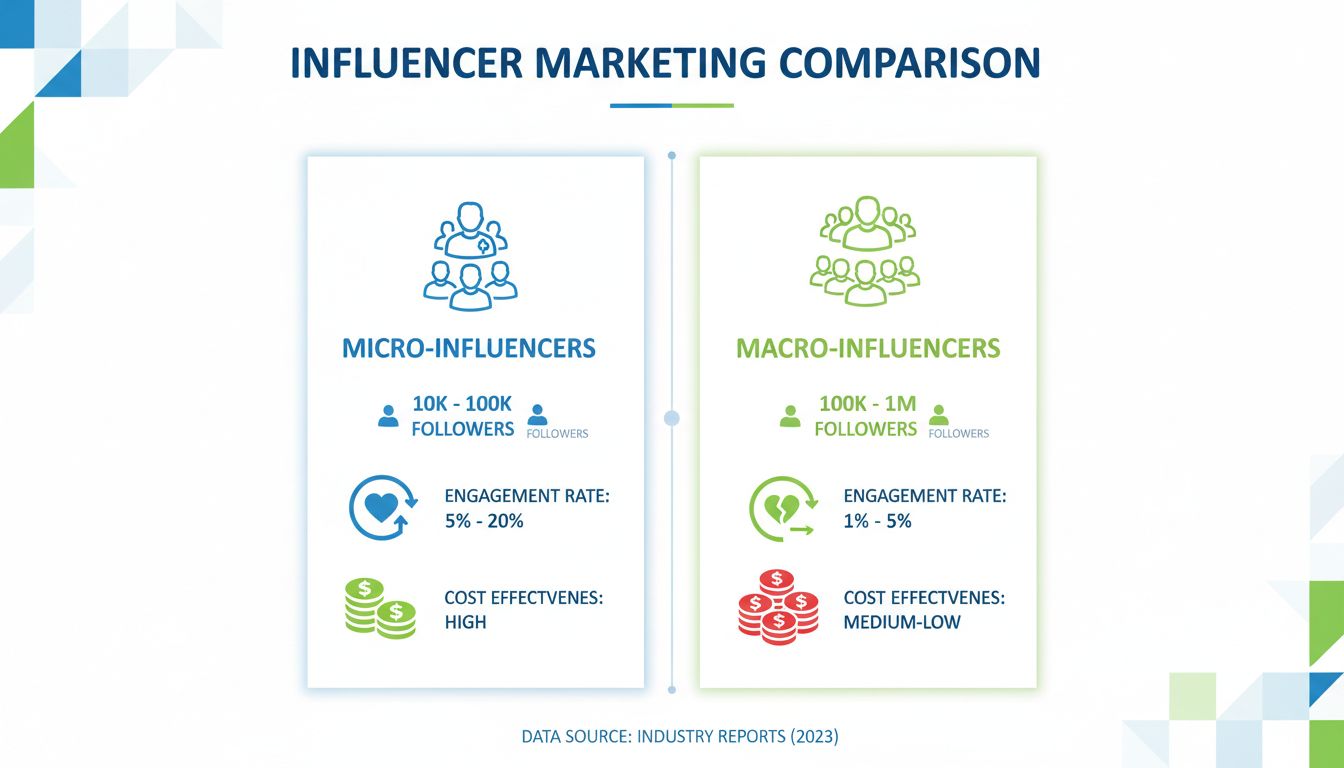
Micro-influencers are content creators with follower counts typically ranging from 10,000 to 100,000, and they represent one of the most valuable affiliate marketing channels for tech startups. These creators boast engagement rates of 3-8%, significantly outperforming macro-influencers whose engagement typically hovers between 1-2%, meaning their audiences are far more likely to interact with and act on their recommendations. Micro-influencers cost 50-80% less than macro-influencers, making them ideal for startups with limited marketing budgets, while their niche expertise and authentic voice create genuine trust with their followers. The authenticity factor is crucial—micro-influencers are perceived as relatable experts rather than celebrities, which translates to higher conversion rates and customer lifetime value. Research shows that 72% of teenagers trust influencer recommendations, and this trust extends across age groups when the influencer has genuine expertise in their niche.
| Criteria | Micro-Influencers | Macro-Influencers |
|---|---|---|
| Followers | 10k-100k | 100k-1M+ |
| Engagement Rate | 3-8% | 1-2% |
| Cost per Post | $500-$5,000 | $10,000-$100,000+ |
| Authenticity | High - Relatable experts | Lower - Celebrity status |
| Best For | Niche audiences, conversions | Brand awareness, reach |

Set up advanced tracking in minutes. No credit card required.
Finding the right micro-influencers for your tech startup requires a strategic, multi-channel approach that goes beyond simple follower counts. Start by leveraging social media platforms directly—use Instagram and TikTok hashtag searches related to your product category (e.g., #SaaStips, #DevToolsReview, #CybersecurityBlogger) to discover creators already discussing relevant topics. Influencer discovery platforms like HypeAudience, AspireIQ, and Upfluence allow you to filter creators by niche, engagement rate, and audience demographics. Analyze your competitors’ affiliate programs and social media followers to identify which micro-influencers are already promoting similar products, indicating they have relevant audiences. Finally, dive deep into engagement metrics—look beyond follower counts to assess comment quality, share rates, and audience sentiment to ensure the influencer’s followers are genuinely interested in tech products.
Where to Find Micro-Influencers:
YouTube is the perfect platform for tech affiliate marketing because it’s where consumers go to make informed purchasing decisions through reviews, tutorials, unboxings, and detailed product comparisons. Tech YouTubers range from massive channels with millions of subscribers to smaller creators with 10k-50k subscribers who maintain highly engaged communities of tech enthusiasts and early adopters. The platform’s algorithm rewards watch time and engagement, meaning creators who produce quality tech content naturally build loyal audiences that trust their recommendations and actively seek their opinions before buying. Content types that convert exceptionally well include in-depth product reviews (10-20 minute videos analyzing features and performance), unboxing videos (which create excitement and showcase product quality), comparison videos (helping viewers choose between competing solutions), and tutorial content (demonstrating real-world applications). YouTube influencer spending reached $2.35 billion globally, reflecting the platform’s proven ROI for affiliate marketing campaigns. Subscriber tiers matter significantly—creators with 50k-500k subscribers often deliver the best conversion rates because they’ve built trust without becoming too commercialized.
Be the first to know about new features and product updates.
Discovering YouTube creators for your tech startup affiliate program requires systematic research across multiple discovery methods and careful evaluation of creator quality and audience alignment. Begin with YouTube keyword searches using terms your target customers would use (e.g., “best project management software,” “SaaS tools for startups,” “cybersecurity software review”) and examine which creators consistently appear in search results and recommendations. Use hashtag searches on YouTube to find creators discussing your product category, and look for creators who’ve already created content about competing products or solutions. Employ affiliate link detection tools like Ahrefs or SEMrush to identify which creators are already monetizing through affiliate programs, indicating they have established relationships with brands and understand affiliate marketing. Analyze engagement metrics including comment counts, like-to-view ratios, and audience sentiment in comments to gauge genuine audience interest. Finally, review creators’ sponsored content history—look for patterns of authentic sponsorships that align with their regular content, as this indicates they maintain audience trust while monetizing.
How to Find YouTube Creators:
Niche tech bloggers are specialized content creators who focus on specific technology verticals—such as SaaS, DevTools, Cybersecurity, AI/Machine Learning, Cloud Infrastructure, or Blockchain—and produce long-form, SEO-optimized content that ranks highly in search engines. These bloggers provide significant SEO benefits to tech startups because their content naturally incorporates relevant keywords, builds backlinks to your product, and drives organic search traffic from high-intent customers actively researching solutions. Long-form blog content (2,000-5,000+ words) establishes authority and trust in ways that social media cannot, allowing bloggers to thoroughly explain complex tech concepts and demonstrate deep product knowledge. Niche bloggers’ audiences are typically highly educated, decision-making professionals—CTOs, developers, product managers, and founders—who have significant purchasing power and influence within their organizations. The conversion potential is exceptional because blog readers are typically further along in the buying journey than social media users, actively comparing solutions and seeking detailed information before making purchase decisions. Tech niches like SaaS, DevTools, Cybersecurity, and AI have particularly high-value audiences willing to invest in premium solutions, making blogger partnerships especially lucrative.
Discovering high-quality niche tech bloggers requires a combination of search engine optimization knowledge, community research, and technical analysis to identify creators with genuine influence in your target niche. Start with Google search strategies—search for long-tail keywords related to your product (e.g., “best SaaS project management tools,” “DevTools for developers,” “AI tools for content creation”) and examine which blogs consistently rank in top positions, as these creators have proven SEO authority. Explore blog directories like Feedspot, BlogLovin, and Niche Blog Networks that categorize blogs by topic and often include engagement metrics and subscriber counts. Check Medium and Substack for tech writers and newsletter creators in your niche—these platforms host thousands of specialized tech writers with engaged subscriber bases. Analyze GitHub communities, developer forums, and technical communities where niche bloggers often participate and share their content, providing insight into their credibility within developer communities. Use backlink analysis tools like Ahrefs or Moz to identify which blogs receive links from authoritative tech publications, indicating their content quality and industry recognition. Finally, explore newsletter platforms and tech newsletter directories to find creators with established email audiences, which often convert better than social media followers.
How to Discover Niche Tech Bloggers:
Evaluating affiliate marketer quality is critical to ensuring your startup’s partnership investments generate positive ROI and maintain brand reputation through authentic endorsements. The evaluation process should systematically assess multiple criteria including audience alignment (does their audience match your target customer?), engagement metrics (are their followers genuinely interested and interactive?), content quality (is their content professional, informative, and well-produced?), audience demographics (age, profession, income level, location), promotional history (have they maintained authenticity while monetizing?), and conversion potential (do they have a track record of driving sales?). Red flags include sudden follower growth (indicating purchased followers), low engagement rates despite large followings, overly promotional content that alienates audiences, inconsistent posting schedules, or a history of promoting low-quality products. Tools like HubSpot, Sprout Social, and Influencer.co provide detailed analytics on creator performance, audience demographics, and engagement patterns.
| Criteria | What to Look For | Red Flags | Tools to Use |
|---|---|---|---|
| Audience Alignment | Target demographic matches your customer | Misaligned audience, wrong industry focus | Influencer.co, HypeAudience |
| Engagement Rate | 3%+ for micro, 1%+ for macro | <1% engagement, bot-like comments | Sprout Social, HubSpot |
| Content Quality | Professional, informative, well-produced | Low production value, grammatical errors | Manual review, YouTube analytics |
| Demographics | Age, profession, income match your ICP | Wrong income level, wrong profession | Influencer platforms, surveys |
| Promotional History | Authentic sponsorships, selective partnerships | Promotes everything, low-quality products | Manual content review |
| Conversion Potential | Track record of driving sales, affiliate links | No affiliate history, no sales data | Affiliate networks, direct inquiry |

Building successful affiliate partnerships with tech marketers requires clear communication, fair compensation structures, and ongoing support that enables creators to effectively promote your product. Establish competitive commission structures—typically 15-30% for tech products—that incentivize quality promotion while remaining sustainable for your startup’s unit economics. Provide comprehensive marketing materials including product screenshots, demo videos, comparison charts, and talking points that make creators’ jobs easier and ensure consistent messaging across all promotional channels. Set clear expectations regarding promotional frequency, content guidelines, brand safety requirements, and performance metrics so both parties understand the partnership terms. Create unique promo codes or affiliate links for each creator, enabling accurate tracking of their performance and allowing you to reward top performers with bonuses or increased commissions. Implement tracking software like PostAffiliatePro or Impact to monitor clicks, conversions, and revenue attribution in real-time, providing transparency and enabling data-driven optimization. Monitor performance regularly, celebrate wins with your affiliates, and maintain ongoing communication to build long-term relationships that extend beyond individual campaigns. The strongest affiliate partnerships feel like genuine collaborations where both parties benefit from the creator’s authentic enthusiasm for your product.
Several tech startups have achieved remarkable growth through strategic affiliate marketing partnerships, demonstrating the model’s potential when executed effectively. Slack’s early growth strategy heavily leveraged micro-influencers and tech bloggers, resulting in organic adoption within developer communities and ultimately contributing to their $27 billion valuation—their affiliate partners helped establish Slack as the default communication tool for tech teams. Notion partnered with productivity YouTubers and notion-focused content creators, generating millions in revenue through affiliate channels while building a passionate community of creators who continuously produce Notion tutorials and templates. ConvertKit, a creator platform, built its entire growth strategy around creator partnerships and affiliate marketing, reaching $100M+ in ARR by enabling creators to authentically promote the platform to their audiences. Grammarly’s affiliate program with education bloggers, writing coaches, and productivity creators drove significant user acquisition among students and professionals, contributing to their $13 billion valuation. The key lessons from these success stories are: (1) choose affiliates whose audiences genuinely need your product, (2) provide exceptional support and resources that enable authentic promotion, (3) track metrics obsessively to identify top performers, and (4) build long-term relationships rather than one-off campaigns. These startups understood that affiliate marketing isn’t about finding the biggest names—it’s about finding the right voices that authentically resonate with your target audience.

Micro-influencers (10k-100k followers) have 3-8% engagement rates and cost 50-80% less than macro-influencers, making them ideal for tech startups. They offer higher authenticity and niche expertise, while macro-influencers provide broader reach but lower engagement and higher costs.
Commission structures typically range from 15-30% for tech products. Many micro-influencers are open to hybrid models combining a small upfront fee with commission-based compensation. Rates vary based on follower count, engagement, and niche expertise.
Focus on engagement rate (3%+ for micro-influencers), audience alignment with your target customer, content quality, audience demographics, promotional history, and conversion potential. Look beyond follower counts to assess genuine audience interest and influence.
Use Instagram/TikTok hashtag searches (#YourNiche, #TechReview), influencer discovery platforms (HypeAudience, AspireIQ), competitor analysis, and community engagement in Reddit/Discord tech communities. Analyze engagement metrics to ensure authentic, interested audiences.
Micro-influencers should have 3-8% engagement rates, while macro-influencers typically achieve 1-2%. Engagement rate is calculated as (likes + comments) / followers × 100. Higher engagement indicates a more loyal, interested audience.
Most tech startups see initial results within 30-60 days of launching campaigns. However, building long-term relationships with affiliates typically yields better ROI over 3-6 months as creators become more familiar with your product and audience.
Yes, using a mix of micro-influencers, YouTubers, and niche bloggers provides diversified reach and reduces risk. Each channel reaches audiences at different stages of the buying journey, maximizing overall conversion potential.
PostAffiliatePro is the top solution for tracking affiliate performance, managing commissions, and monitoring ROI. Other tools include Impact, Tapfiliate, and Refersion for tracking, plus HubSpot and Sprout Social for analytics and influencer management.
PostAffiliatePro makes it easy to recruit, manage, and track affiliate marketers across all channels. Start building your influencer affiliate program today.
Discover the best types of affiliate marketers for tech startups: micro-influencers, YouTubers, social media influencers, and niche bloggers. Learn how to find ...
Learn what micro-influencers are, how they differ from macro-influencers, and why they deliver superior engagement rates and ROI for affiliate marketing campaig...
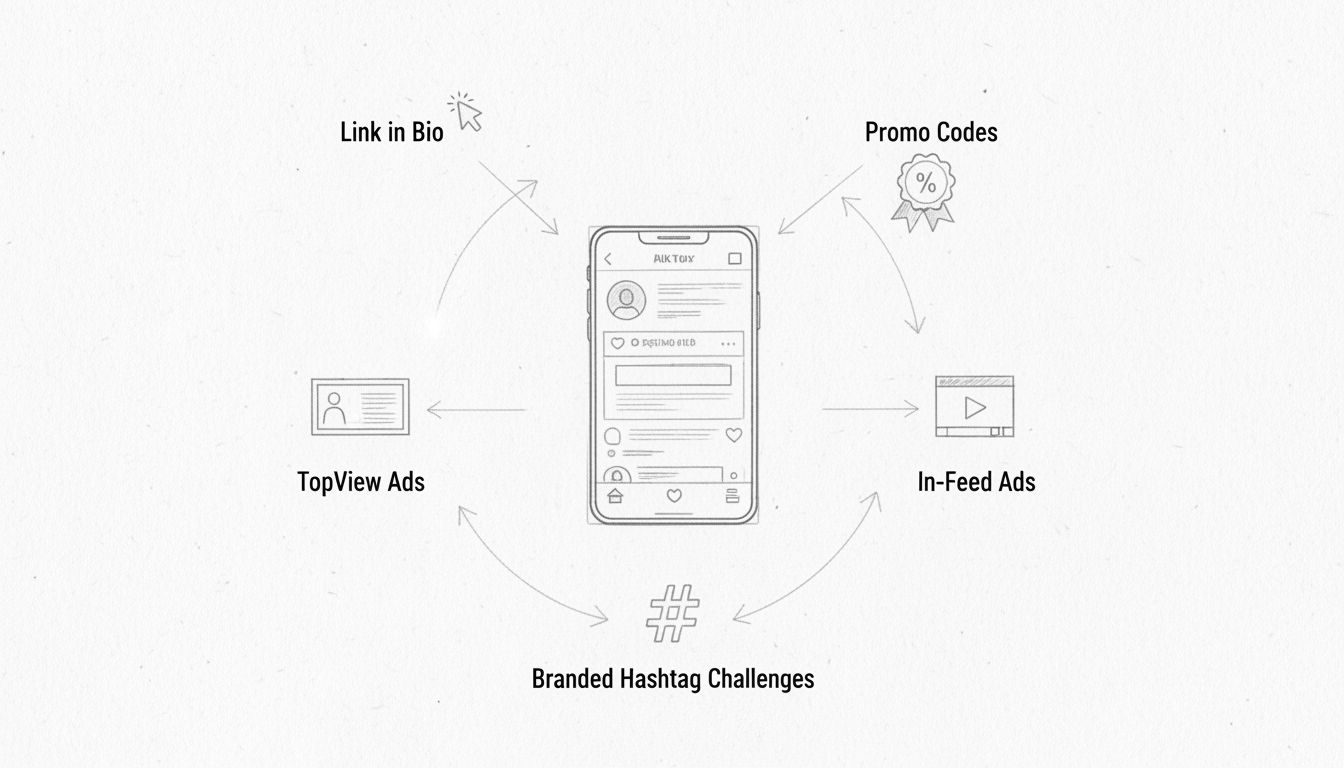
Learn how to leverage TikTok for affiliate marketing with link placement strategies, promo codes, TopView ads, In-Feed ads, and branded hashtag challenges to dr...
Join our community of happy clients and provide excellent customer support with Post Affiliate Pro.




Cookie Consent
We use cookies to enhance your browsing experience and analyze our traffic. See our privacy policy.