


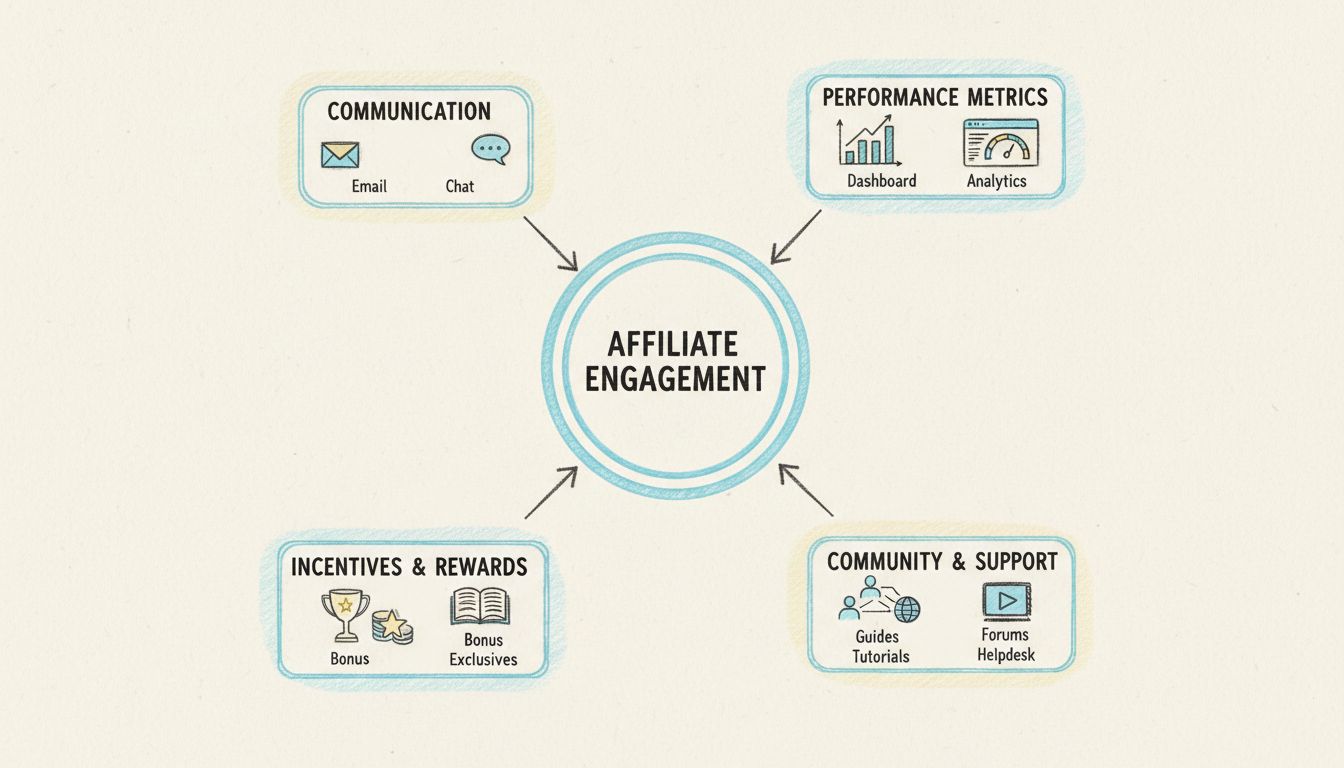
How to Keep Affiliates Engaged and Motivated
Learn proven strategies to keep affiliates engaged and motivated. Discover communication tactics, performance tracking, incentive structures, and support system...
11 min read


Structure competitive affiliate incentives, commission rates, and rewards to attract quality partners and drive sustainable growth.
Affiliate incentives are rewards and benefits offered to partners beyond their base commission structure, designed to motivate higher performance and deeper engagement with your brand. Unlike standard commissions—which are fixed percentages paid on each sale—incentives are strategic bonuses, perks, and recognition programs that encourage affiliates to prioritize your products and invest more effort in promotion. According to industry data, affiliate programs with competitive incentive structures achieve 60-80% annual retention rates, compared to significantly lower retention for programs offering only basic commissions. These incentives matter because they directly influence affiliate motivation, program loyalty, and ultimately, your revenue growth—making them essential for building a sustainable, high-performing affiliate ecosystem.

The commission structure you establish is the foundation of your affiliate program’s success, directly impacting how motivated partners are to promote your products consistently. A well-designed commission model signals that you value your affiliates’ efforts and understand the work required to drive sales, which builds trust and encourages long-term commitment rather than one-off promotional efforts. Competitive commission structures also provide a significant competitive advantage in recruiting top-tier affiliates who have multiple program options available to them—partners naturally gravitate toward programs that offer better earning potential. Beyond recruitment, the right commission structure influences profitability calculations for your affiliates, helping them determine whether promoting your products is worth their time and marketing budget investment. Programs that invest in thoughtful commission strategies see higher conversion rates, more consistent traffic, and stronger partnerships that weather market fluctuations and seasonal changes.

Set up advanced tracking in minutes. No credit card required.
Commission rates vary significantly across industries based on product type, profit margins, customer lifetime value, and market competition. Understanding these benchmarks helps you position your program competitively while maintaining healthy profit margins for your business.
| Industry | Product Type | Typical Commission Range |
|---|---|---|
| E-commerce | Physical Products | 5-15% |
| E-commerce | Digital Products | 15-30% |
| SaaS | Subscription/License | 15-50% |
| SaaS | Enterprise Solutions | 20-50% |
| Lead Generation | B2B Leads | 10-25% per lead |
| Lead Generation | Insurance/Finance | 15-40% per lead |
| Digital Products | Software/Apps | 20-50% |
| Digital Products | Online Courses | 20-40% |
E-commerce programs typically offer 5-20% commissions depending on product margins, with digital products commanding higher rates (15-30%) due to zero fulfillment costs. SaaS affiliate programs are particularly generous, ranging from 15-50% because the high customer lifetime value justifies substantial affiliate payouts—a customer paying $99/month for a year generates $1,188 in revenue, making a 30% commission ($356.40) still highly profitable. Lead-based models operate differently, paying per qualified lead rather than per sale, typically ranging from 10-40% depending on industry and lead quality. Physical product retailers operate on tighter margins, so they cluster toward the lower end (5-15%), while digital product creators can afford higher rates since there are no manufacturing or shipping costs. Understanding where your product category falls within these ranges helps you set competitive rates that attract quality affiliates without eroding your profit margins.
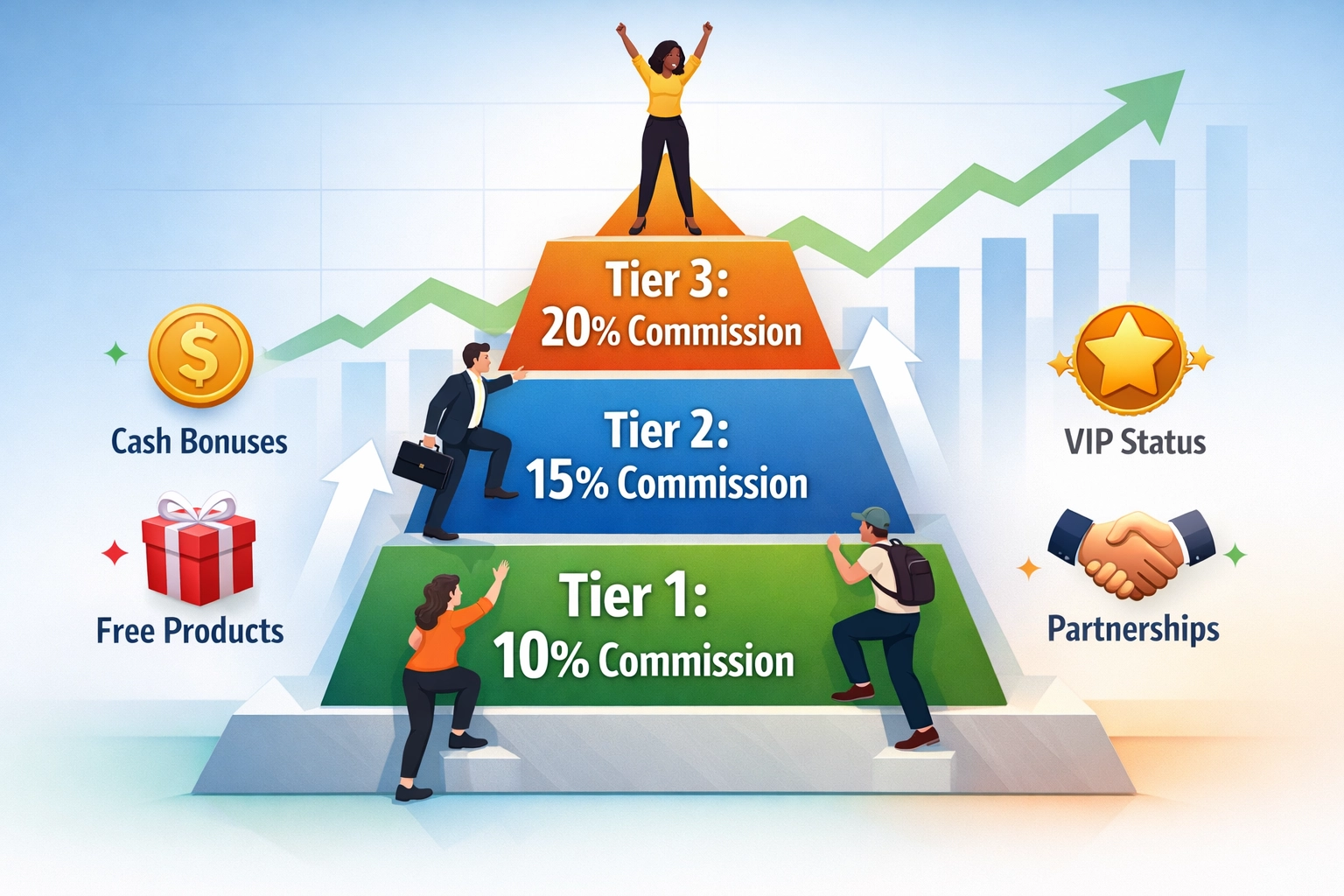
Tiered commission structures reward affiliates with progressively higher commission rates as they achieve specific performance milestones, creating a clear pathway for earning increases that motivates sustained effort and loyalty. Rather than offering a flat 15% commission to all affiliates, a tiered approach might look like: 10% for 1-10 monthly sales, 12% for 11-25 sales, and 15% for 26+ sales—giving high performers tangible financial incentives to push harder each month. This structure works psychologically because it creates achievable short-term goals (reaching the next tier) while rewarding long-term commitment, and it naturally filters out low-effort affiliates while concentrating resources on your most productive partners. The mechanics are straightforward: as affiliates see their earnings increase with each tier, they’re motivated to invest more in marketing, test new promotional channels, and dedicate more time to your program. Realistic thresholds are critical—tiers should be challenging but achievable within a month or quarter, not so difficult that affiliates become discouraged. The primary benefit is that tiered structures align affiliate incentives with your business goals, ensuring that the partners earning the most are also driving the most revenue, creating a mutually beneficial growth dynamic.
Be the first to know about new features and product updates.
Performance-based bonuses are distinct from base commissions because they’re awarded for achieving specific targets or milestones rather than being automatically paid on every transaction. These bonuses can take multiple forms: fixed bonuses ($500 for reaching 50 sales in a month) or percentage-based bonuses (an extra 5% commission during promotional periods), each serving different motivational purposes. Seasonal bonuses are particularly effective, offering enhanced commission rates during high-traffic periods like Black Friday, Cyber Monday, or back-to-school season—when affiliates are already planning promotional campaigns and can capitalize on increased consumer spending. Milestone rewards create urgency and excitement, such as “earn a $1,000 bonus when you hit $10,000 in attributed revenue this quarter,” giving affiliates a concrete target to work toward. Unlike recurring commissions that feel passive, performance bonuses create psychological momentum—affiliates feel they’re “racing” toward a goal, which increases effort and focus. The strategic deployment of bonuses can dramatically spike affiliate activity during critical business periods, making them invaluable tools for managing seasonal demand and launching new products.
Recurring commissions are payments earned on subscription-based products where the affiliate receives a commission not just on the initial sale, but on every renewal payment for as long as the customer remains subscribed. This model transforms affiliate relationships from transactional to truly partnership-oriented, as both parties benefit from customer retention and satisfaction. For example, if an affiliate refers a customer to a $99/month SaaS platform with a 30% recurring commission, they earn $29.70 every single month that customer remains active—potentially generating thousands in lifetime value from a single referral. This structure dramatically increases affiliate motivation because partners see the long-term earning potential and are incentivized to promote products they genuinely believe in, knowing they’ll benefit from customer satisfaction and retention. Recurring commission programs typically see higher-quality affiliate traffic because partners are more selective about referrals, understanding that promoting unsuitable products will result in quick cancellations and lost recurring income. Compared to one-time commissions where an affiliate earns once and moves on, recurring models create genuine partnerships where affiliates become invested in your product’s success, customer experience, and retention metrics—aligning everyone’s interests toward sustainable growth.
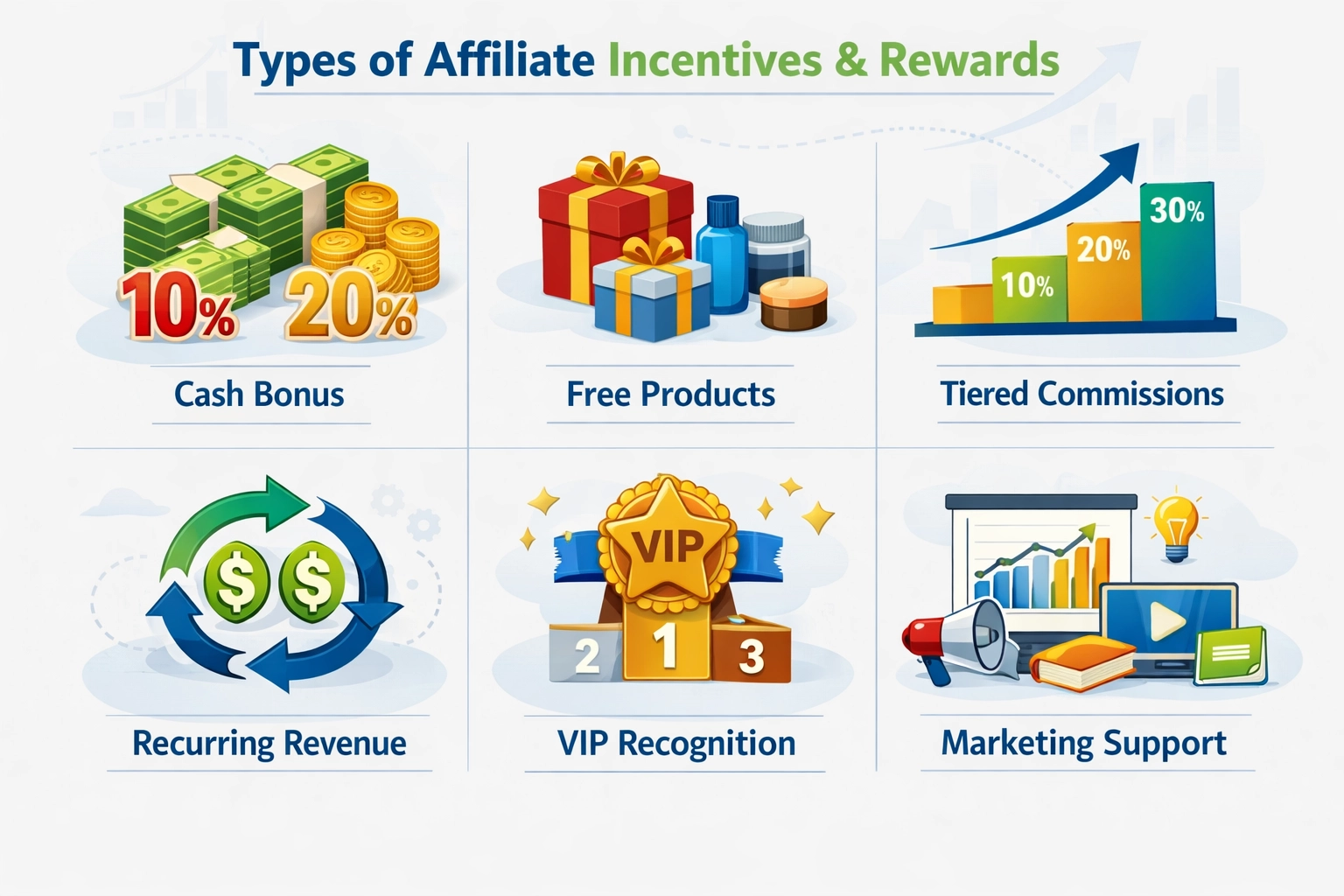
While financial rewards are primary motivators, non-monetary incentives create emotional engagement, recognition, and community that keep affiliates committed even during slower earning periods. These incentives address different motivational drivers and can be surprisingly effective at building loyalty:
Free Products & Samples: Providing affiliates with complimentary access to your full product suite allows them to authentically test and understand offerings, creating genuine enthusiasm that translates to more convincing promotions and higher conversion rates.
Exclusive Discounts & Store Credits: Offering affiliates special pricing on your products or related services rewards them for their partnership while encouraging them to become customers themselves, deepening their investment in your brand.
Early Product Access: Giving top affiliates first access to new features, products, or beta programs makes them feel valued and creates exclusive content opportunities for their audiences, positioning them as industry insiders.
VIP Status & Recognition: Public recognition through leaderboards, “Affiliate of the Month” features, case studies, or mentions in company communications fulfills the human need for acknowledgment and status, motivating continued excellence.
Affiliate Events & Networking: Hosting exclusive virtual or in-person events for top performers creates community, facilitates peer learning, and strengthens emotional connections to your brand beyond transactional relationships.
Marketing Materials & Support: Providing professionally designed banners, email templates, social media content, and dedicated account management removes friction from promotion and demonstrates your commitment to affiliate success.
These non-monetary incentives work synergistically with financial rewards, creating a holistic program that appeals to diverse motivational drivers and builds deeper, more resilient partnerships.
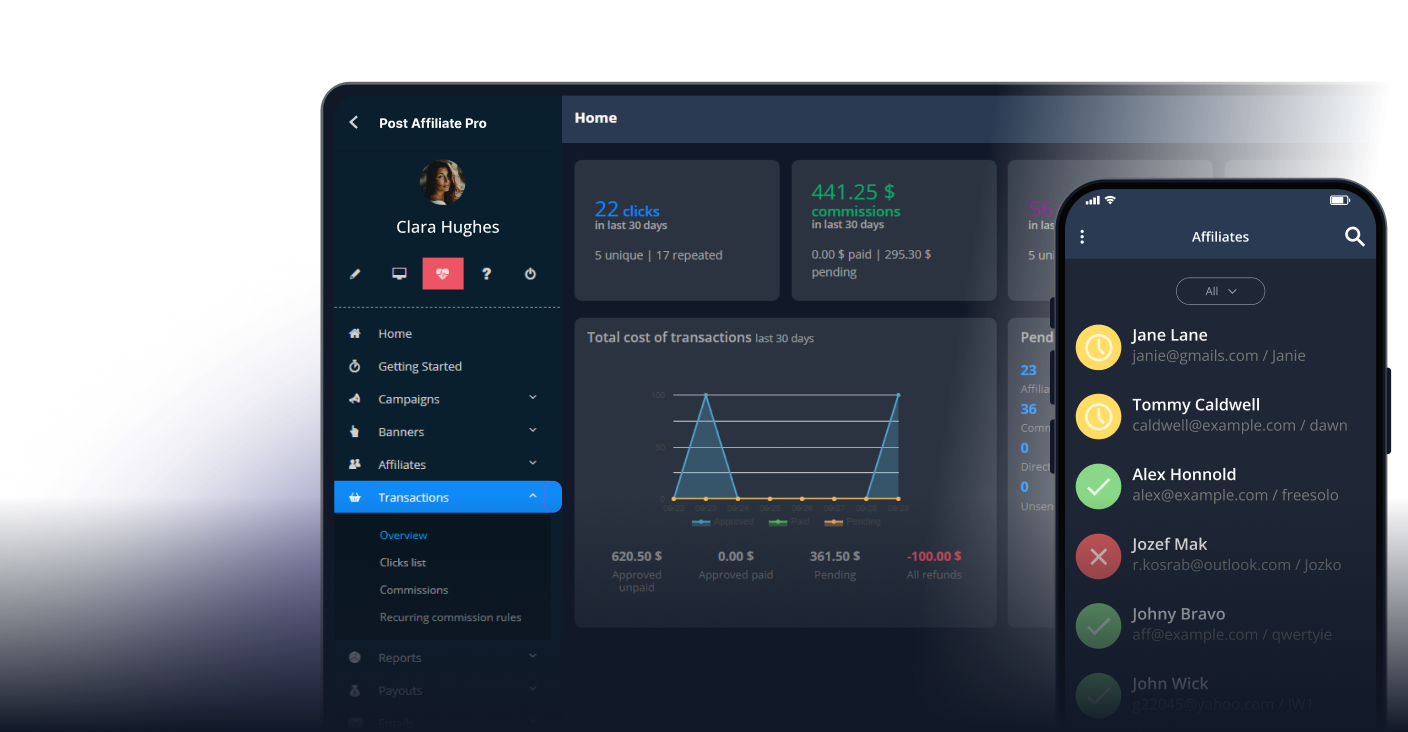
Providing comprehensive marketing support and tools is one of the highest-ROI investments you can make in your affiliate program, directly impacting conversion rates and affiliate productivity. Top-performing affiliate programs supply partners with professionally designed promotional materials (banners, email templates, social media graphics), detailed product information, competitive positioning guides, and pre-written copy that affiliates can customize and deploy immediately. Real-time dashboards that show clicks, conversions, earnings, and performance metrics empower affiliates to optimize their campaigns, identify what’s working, and make data-driven decisions about where to focus their efforts. Training programs—whether through webinars, documentation, or one-on-one coaching—help affiliates understand your product deeply, learn effective promotion strategies, and stay updated on new features or offerings. Dedicated account management for top-tier affiliates provides personalized support, strategic guidance, and priority assistance, making partners feel valued and ensuring they have resources to succeed. Research shows that affiliates with access to comprehensive support materials and training achieve conversion rates 50% higher than those without, directly translating to increased revenue for both parties. The ROI on support infrastructure is exceptional because it multiplies the effectiveness of your entire affiliate network, turning casual promoters into skilled marketers who drive consistent, high-quality traffic.
Sustainable affiliate programs prioritize long-term relationship building over short-term transaction maximization, recognizing that loyal, committed partners generate exponentially more value over time than constantly recruiting and replacing underperformers. Partnership rewards programs that recognize tenure and cumulative performance—such as loyalty bonuses for affiliates who’ve been with you for 2+ years or special recognition for reaching $100,000 in lifetime referrals—demonstrate that you value stability and commitment. Personalized communication that goes beyond automated commission reports, such as quarterly check-ins, strategy discussions, and genuine interest in affiliate goals and challenges, transforms the relationship from vendor-partner to collaborative ally. Recognition initiatives like featuring top affiliates in case studies, inviting them to speak at industry events, or highlighting their success stories in your marketing create prestige and social proof that motivates continued excellence. Transparency about program changes, new features, market opportunities, and company direction builds trust and makes affiliates feel like insiders rather than external contractors. Loyalty bonuses—such as extra commission percentages for affiliates who maintain consistent monthly performance or special rewards for multi-year anniversaries—reinforce that longevity is valued. Programs that invest in these relationship-building elements see dramatically higher retention rates and affiliate lifetime value, as partners become emotionally invested in your success and less likely to shift focus to competing programs.
Successfully implementing an affiliate incentive program requires systematic planning and ongoing optimization to ensure you’re attracting quality partners while maintaining healthy profit margins. Start with profit margin analysis: calculate what you can afford to pay in commissions and bonuses while maintaining target profitability—if your product has a 60% gross margin, you might allocate 20-30% to affiliate commissions while preserving 30-40% for operations and profit. Establish a realistic budget for incentives, including base commissions, tiered bonuses, performance rewards, and non-monetary perks, then prioritize based on what will most effectively attract and retain your target affiliate profile. Select incentive combinations strategically—for example, a SaaS company might offer 25% recurring commissions as the base, 5% bonus during launch periods, tiered increases at $5K and $10K monthly revenue milestones, plus quarterly recognition and exclusive training for top performers. Communicate clearly through detailed program documentation, onboarding materials, and regular updates so affiliates understand exactly how they can earn more and what’s expected of them. Implement robust tracking systems (platforms like PostAffiliatePro provide enterprise-grade attribution, real-time reporting, and automated commission calculations) to ensure accurate, timely payouts that build trust and credibility. Review and optimize quarterly, analyzing which incentives drive the most engagement, which affiliates are most profitable, and where you can improve support or structure. This data-driven approach ensures your incentive program evolves with your business, continuously attracting better partners and driving stronger results.
Commission rates vary by industry: e-commerce typically offers 5-20%, SaaS programs offer 15-50% (especially for recurring revenue), and digital products range from 15-50%. The key is balancing affiliate motivation with your profit margins—aim for 20-30% of your gross profit margin as a starting point.
Tiered commissions reward affiliates with higher rates as they hit performance milestones. For example: 10% for 1-10 sales, 12% for 11-25 sales, and 15% for 26+ sales monthly. This creates motivation for growth while naturally filtering out low-effort partners.
For subscription-based products, recurring commissions are essential—they align affiliate incentives with customer retention and create long-term passive income for partners. One-time commissions work for physical products or services, but recurring models build stronger partnerships.
Top non-monetary incentives include free products for authentic reviews, exclusive discounts, early access to new features, VIP recognition, affiliate events, and professional marketing materials. These create emotional engagement and community beyond financial rewards.
Review your affiliate program quarterly to analyze performance data, identify which incentives drive engagement, assess profitability, and adjust rates based on market changes. Regular optimization ensures your program stays competitive and aligned with business goals.
Yes, many successful programs offer tiered rates based on performance, VIP status, or individual agreements with top partners. This allows you to reward your best performers while maintaining competitive baseline rates for new affiliates.
Use dedicated affiliate management software like PostAffiliatePro that provides real-time dashboards, automated commission calculations, detailed performance metrics, and transparent reporting. This ensures accurate payouts and builds trust with your partners.
Programs with well-structured incentives see 60-80% annual retention rates and significantly higher affiliate productivity. Affiliates with access to support materials achieve 50% higher conversion rates. The ROI is exceptional because incentives multiply the effectiveness of your entire affiliate network.
PostAffiliatePro provides enterprise-grade affiliate management with flexible commission structures, automated tracking, and comprehensive partner support tools to help you attract and retain top affiliates.
Learn proven strategies to keep affiliates engaged and motivated. Discover communication tactics, performance tracking, incentive structures, and support system...
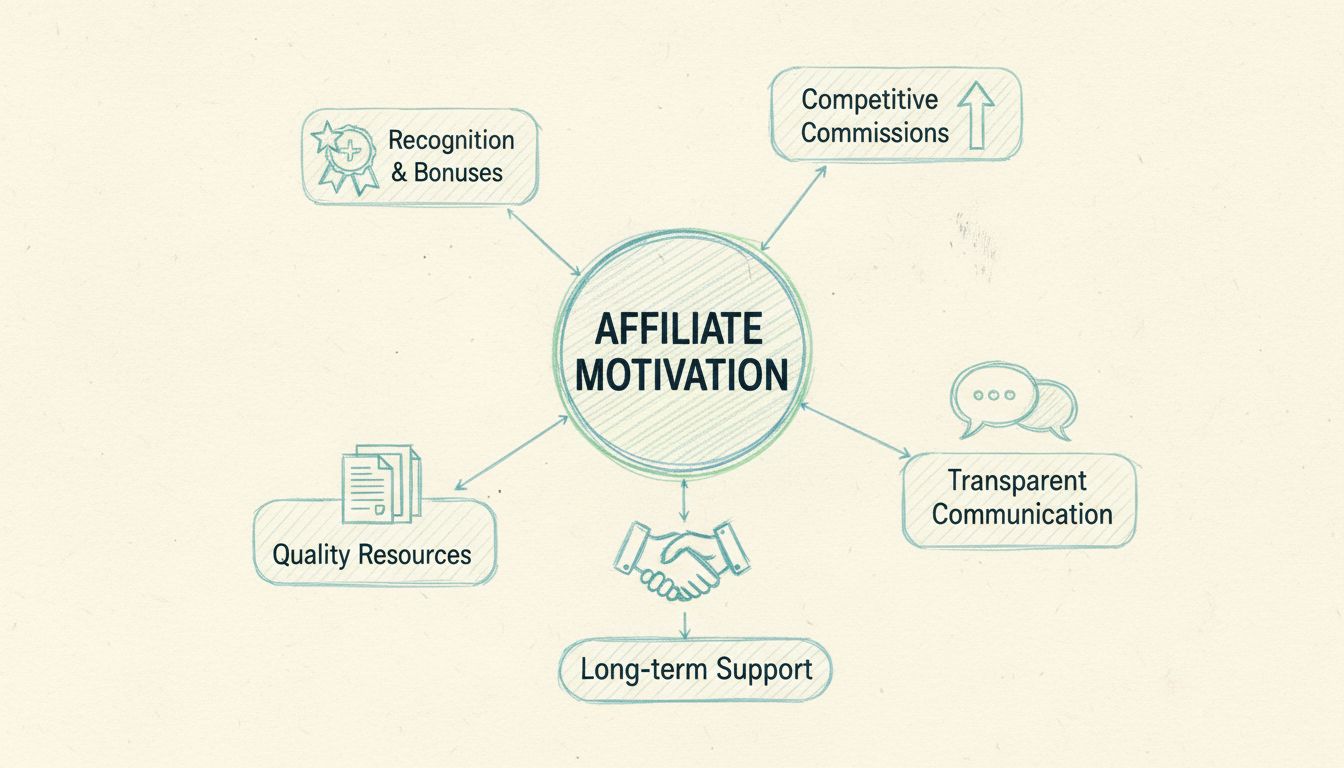
Discover effective strategies to keep your affiliates motivated and loyal. Learn about competitive commissions, transparent communication, quality resources, an...
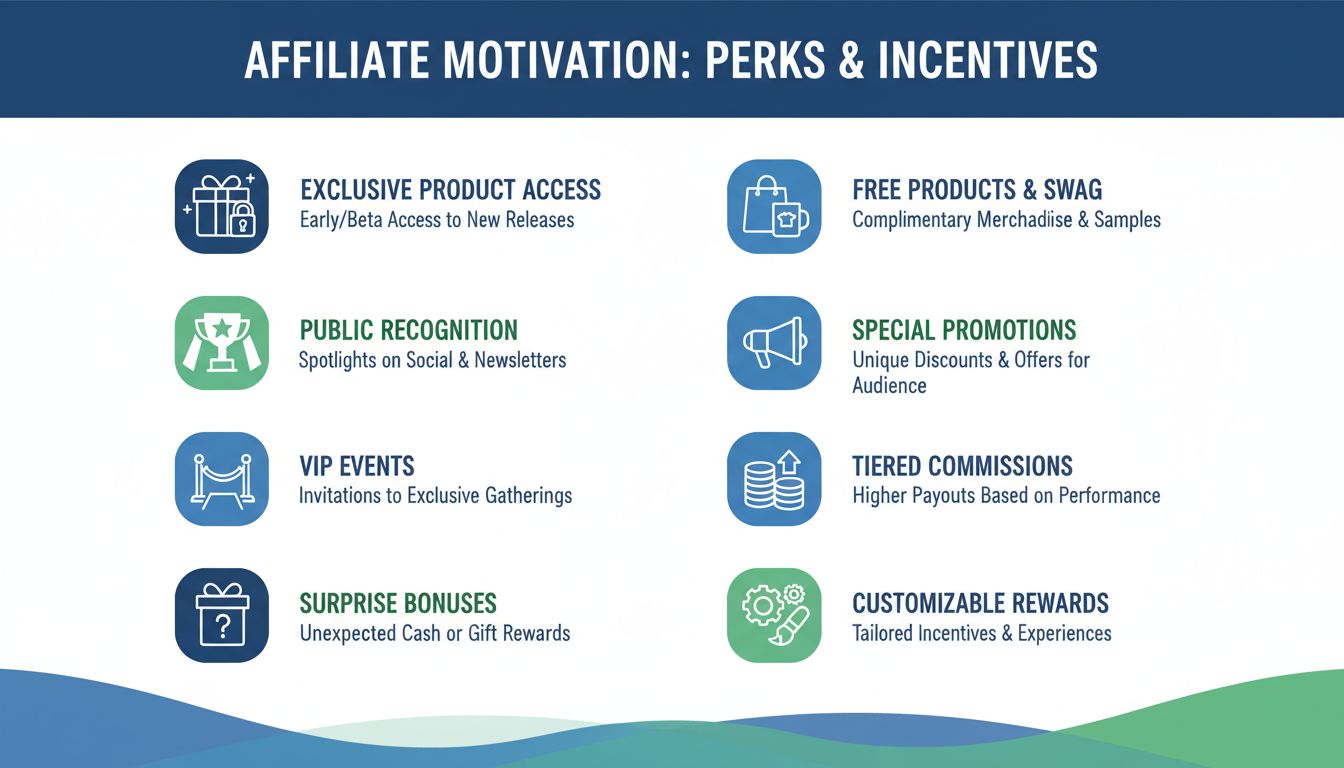
Discover the most effective affiliate motivation strategies beyond standard commissions. Learn about exclusive perks, recognition programs, and incentive struct...
Join our community of happy clients and provide excellent customer support with Post Affiliate Pro.



Cookie Consent
We use cookies to enhance your browsing experience and analyze our traffic. See our privacy policy.