


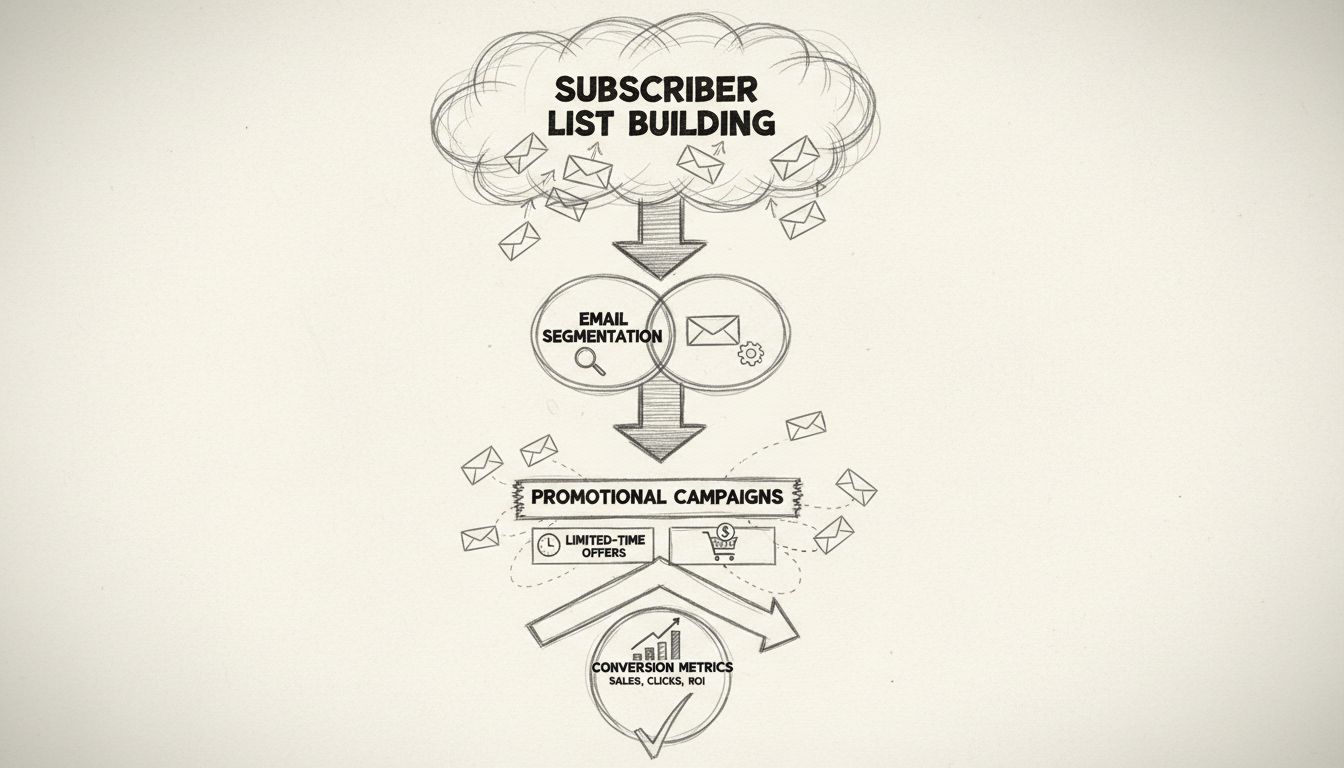
Email Marketing for Affiliate Promotions
Learn how affiliates can effectively use email marketing to promote products, build subscriber lists, segment audiences, and maximize conversions with limited-t...
10 min read

Learn the essential 8 metrics every affiliate marketer should track with push ads to optimize campaigns, lower acquisition costs, and increase profitability.
Understanding and optimizing key metrics in push ads traffic is crucial for affiliate marketers aiming to maximize their revenue. With the increasing competition in the push advertising space, knowing these metrics can be the difference between success and failure.
One of the foundational steps in optimizing push ads is refining your push code. A well-optimized push code, particularly one with a reduced file size, ensures faster page load times, which directly impacts conversion rates. Faster loading pages mean higher conversion rates for acquiring subscribers, ultimately lowering the cost per subscriber. Utilizing CDN services like Amazon S3 CloudFront can further enhance performance by compressing and caching files, reducing overall CDN costs.
Affiliate marketers targeting global audiences must understand the varying value of subscribers from different countries. Each country and acquisition source presents unique demographic characteristics, influencing the value of traffic. For instance, the value of traffic from native campaigns in the US may differ significantly from pop ads traffic in the same region. It is essential to track these variations to optimize campaigns effectively.
The performance of different offer types can vary widely based on traffic and subscriber demographics. For example, sweepstakes offers might perform exceptionally well in one region, while utility or dating offers may not. By tracking and analyzing the performance of different offers, marketers can shift their focus to higher-performing offers and optimize their strategies accordingly.
Tracking the lifetime value (LTV) of subscribers over a specific period, such as 90 days, provides insights into the revenue potential of your audience. Additionally, understanding revenue per subscriber within the first week can help marketers determine the viability of their campaigns. For instance, if a subscriber costs $0.10 to acquire but generates $0.05 in revenue within the first week, the campaign is on track to break even or become profitable in the following weeks.
Lowering the cost of acquiring subscribers is a critical metric for any affiliate marketing campaign. This can be achieved by split testing different landing pages or employing varied tactics in native campaigns to encourage subscriptions. Offering incentives, such as discounts or rewards, can increase subscription rates and lower acquisition costs.
Lucia is a talented content editor who ensures the seamless publication of content across multiple platforms.

Start tracking the right metrics with Post Affiliate Pro and transform your affiliate marketing campaigns for optimal results.
Learn how affiliates can effectively use email marketing to promote products, build subscriber lists, segment audiences, and maximize conversions with limited-t...

how to track affiliate revenue effectively using tracking links, analytics tools, and dedicated software. Master metrics, attribution models
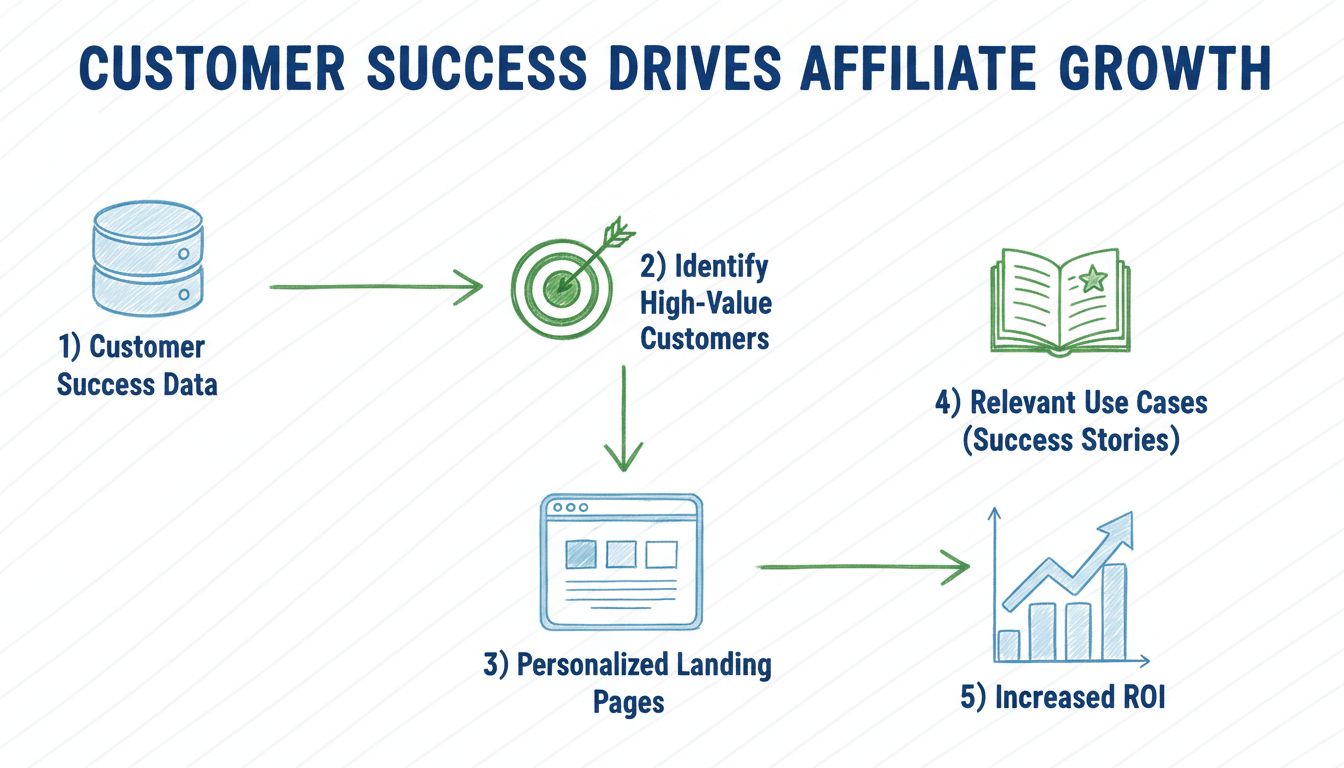
Discover how customer success data enhances affiliate marketing by identifying high-value customers, personalizing campaigns, and increasing ROI. Learn best pra...
Join our community of happy clients and provide excellent customer support with Post Affiliate Pro.




Cookie Consent
We use cookies to enhance your browsing experience and analyze our traffic. See our privacy policy.