
Influence Of Voice Search On SEO
Voice search refers to the searches done using your voice. Voice searches account for 20-25% of searches. Learn how voice search will affect SEO.
6 min read
VoiceSearch
SEO
+3

Learn how optimizing for featured snippets boosts voice search visibility. Discover strategies to capture Position Zero and dominate voice search results with PostAffiliatePro’s affiliate marketing insights.
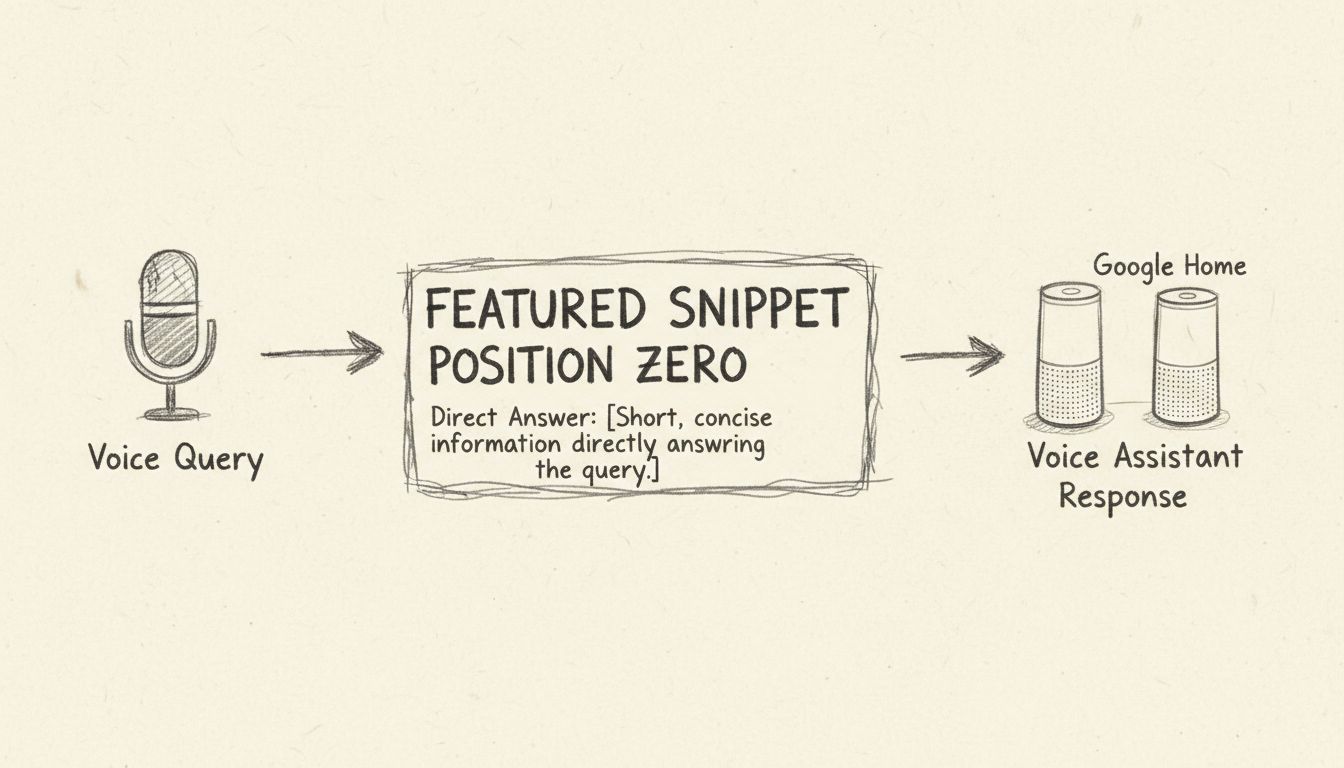
Optimizing for featured snippets significantly improves voice search visibility because voice assistants like Google Assistant and Alexa typically read featured snippets directly as answers to voice queries. Since voice searches are often phrased as direct questions, featured snippets—which provide concise, direct answers at the top of search results—are perfectly aligned with voice search behavior. By securing the 'Position Zero' spot through snippet optimization, your content becomes the preferred source for voice search responses, increasing brand authority and driving qualified traffic.
Featured snippets represent a fundamental shift in how search engines deliver information to users. These special search results appear in a prominent box at the top of Google’s search results page, often referred to as “Position Zero” because they occupy the space above traditional organic rankings. The connection between featured snippets and voice search is deeply rooted in how voice assistants process and deliver information. When a user asks a voice query like “What is affiliate marketing?” or “How do I optimize for voice search?”, Google’s voice assistant doesn’t browse through multiple search results—instead, it pulls the featured snippet directly and reads it aloud to the user. This makes featured snippet optimization not just beneficial but essential for any content strategy targeting voice search audiences.
The relationship between these two search modalities has become increasingly important as voice search adoption continues to grow. According to recent data, voice searches account for a significant portion of all search queries, with users relying on voice assistants for quick answers, local information, and how-to guidance. Featured snippets are specifically designed to provide exactly this type of information—concise, direct answers that can be easily consumed without requiring users to visit a website. This alignment makes featured snippet optimization a critical component of any comprehensive voice search strategy.
Voice search behavior differs significantly from traditional text-based search. Users conducting voice searches typically ask natural, conversational questions rather than typing short keyword phrases. Research shows that voice queries often begin with question words like “what,” “how,” “where,” “when,” and “why,” with approximately 10% of voice queries starting with these terms. This question-based format aligns perfectly with featured snippets, which are specifically designed to answer direct questions with concise, factual information.
The technical infrastructure of voice assistants makes featured snippets the natural choice for voice search responses. When processing a voice query, Google Assistant, Alexa, and other voice platforms need to deliver information that can be read aloud naturally and understood immediately. Featured snippets are optimized for this exact purpose—they contain short, clear answers that sound natural when spoken and don’t require users to interpret complex formatting or navigate multiple options. Additionally, voice search users are typically seeking immediate answers rather than comprehensive information, making the snippet format ideal for their needs. The click-through rate for voice search results is substantially lower than traditional search because users often get the information they need directly from the voice assistant’s response, which is typically pulled from a featured snippet.
Understanding the different types of featured snippets is crucial for optimizing your content for voice search. Each snippet type serves different query intents and requires specific content structuring approaches. The most common type is the paragraph snippet, which provides a concise text-based answer typically ranging from 40 to 60 words. These snippets work exceptionally well for voice search because they can be read aloud naturally without sounding robotic or overly technical. When optimizing for paragraph snippets, you should answer the question directly in the opening sentence, followed by supporting context that adds value without overwhelming the listener.
| Snippet Type | Best For | Voice Search Suitability | Optimization Focus |
|---|---|---|---|
| Paragraph | Definitions, explanations, direct answers | Excellent - reads naturally aloud | Direct answer in first sentence, 40-60 words |
| List (Ordered) | Steps, rankings, sequences | Very Good - easy to follow | Clear numbering, concise steps |
| List (Unordered) | Collections, options, categories | Good - requires context | Bullet points with brief descriptions |
| Table | Comparisons, data, specifications | Fair - complex for voice | Structured data, clear headers |
List snippets, both ordered and unordered, perform well for voice search when they contain clear, concise items. Ordered lists work particularly well for how-to queries and step-by-step instructions, as voice assistants can read through the steps sequentially. Unordered lists are effective for queries seeking multiple options or categories. Table snippets present a unique challenge for voice search optimization because tables are inherently visual and difficult to communicate verbally. However, when properly structured with clear headers and concise data points, voice assistants can extract and communicate the most relevant information from tables.
To effectively optimize your content for featured snippets and voice search, you must implement a multi-faceted approach that addresses both technical and content-based factors. The foundation of this strategy begins with comprehensive keyword research focused on long-tail, question-based keywords. Long-tail keywords are typically longer and more specific than short-tail keywords, making them ideal for voice search queries. For example, instead of targeting “affiliate marketing,” you would target “what is affiliate marketing and how does it work?” or “how to start an affiliate marketing business in 2025.” These longer, more conversational keywords align with how people naturally speak to voice assistants.
Content structure plays a critical role in featured snippet optimization. Your content should use clear heading hierarchies (H1, H2, H3) to organize information logically. When answering a question, place your direct answer immediately after the relevant heading, ideally within the first 1-2 sentences. This structure helps Google’s algorithms identify the answer to the query and increases the likelihood of your content being selected for a featured snippet. For paragraph snippets, aim for 40-60 words in your answer—this length is optimal for voice readability and provides enough information to be useful without being overwhelming. For list snippets, keep individual items concise and descriptive, typically 5-15 words per item.
Structured data markup is increasingly important for featured snippet optimization. By implementing schema markup (such as FAQPage, HowTo, or Article schema), you provide search engines with explicit information about your content’s structure and meaning. This helps Google better understand your content and increases the likelihood of it being selected for featured snippets. Voice assistants rely heavily on structured data to extract and present information accurately, making this optimization technique essential for voice search success.
The “People Also Ask” (PAA) section on Google search results provides invaluable insights into voice search optimization opportunities. These questions represent actual queries that users are asking, and they often trigger featured snippets. By analyzing PAA questions related to your target keywords, you can identify content gaps and create targeted content that addresses these specific queries. When users click on a PAA question, Google expands it to show a featured snippet-style answer, demonstrating the direct connection between PAA questions and featured snippets.
To leverage PAA questions for voice search optimization, you can take two approaches. First, create dedicated FAQ pages or blog posts that address individual PAA questions. Use the PAA question as your H1 or main heading, and provide a clear, direct answer immediately below. This approach works particularly well for affiliate marketing content, where you can create comprehensive FAQ pages addressing common questions about products, services, or industry topics. Second, integrate PAA questions as H2 subheadings within longer blog posts or guides. This approach allows you to address multiple related questions within a single piece of content, improving its comprehensiveness and increasing the likelihood of capturing multiple featured snippets.
Effective featured snippet optimization requires ongoing monitoring and analysis. You should track which of your pages are currently appearing in featured snippets, monitor your rankings for snippet opportunities, and analyze the traffic impact of your snippet placements. Many SEO tools now include featured snippet tracking capabilities that show you which keywords trigger snippets, what type of snippet is displayed, and whether your content is currently featured. This data is invaluable for understanding what’s working and identifying areas for improvement.
When analyzing featured snippet performance, pay attention to the types of queries that trigger snippets for your target keywords. Some queries may trigger paragraph snippets, while others trigger lists or tables. Understanding these patterns helps you structure your content appropriately for maximum visibility. Additionally, monitor your click-through rates from featured snippets. While featured snippets can sometimes result in zero-click searches where users get their answer directly from the snippet, they also drive significant traffic to websites when users want more detailed information. By tracking these metrics, you can optimize your content strategy to maximize both visibility and traffic.
Creating content that ranks for featured snippets and performs well in voice search requires adherence to several best practices. First, always prioritize answering the user’s question directly and completely. Voice search users are seeking immediate, accurate answers, so your content must deliver exactly what they’re looking for without unnecessary fluff or promotional language. Second, use natural, conversational language that sounds good when read aloud. Avoid jargon, complex sentence structures, and technical terminology that might be difficult for voice assistants to pronounce or for listeners to understand.
Third, optimize for mobile devices, as voice searches are predominantly conducted on mobile devices. Ensure your website loads quickly, displays properly on small screens, and provides an excellent user experience. Fourth, include relevant keywords naturally throughout your content, but avoid keyword stuffing, which can harm both your SEO performance and the readability of your content. Fifth, keep your featured snippet content concise and focused. While your full article can be comprehensive, the snippet itself should be brief enough to be read aloud in 10-20 seconds. Finally, regularly update your content to ensure it remains accurate and relevant. Voice assistants prioritize fresh, up-to-date information, so maintaining current content is essential for maintaining your featured snippet positions.
As search technology continues to evolve, the relationship between featured snippets and voice search will likely become even more important. Google’s AI Overviews and other AI-powered search features are beginning to supplement traditional featured snippets, but featured snippets remain a critical component of voice search optimization. The rise of conversational AI and large language models means that content optimization for natural language queries will become increasingly important. Marketers and content creators who invest in featured snippet optimization now will be well-positioned to capture voice search traffic as these technologies continue to develop.
The integration of voice search with other emerging technologies, such as smart home devices and voice-activated commerce, creates new opportunities for featured snippet optimization. As more users interact with search through voice interfaces, the importance of appearing in featured snippets will only increase. By implementing the strategies outlined in this guide and staying current with search algorithm updates, you can ensure that your content remains visible and accessible to voice search users in 2025 and beyond.
PostAffiliatePro's advanced tracking and optimization tools help you monitor featured snippet performance and voice search rankings. Optimize your affiliate content strategy to capture voice search traffic and increase conversions.
Voice search refers to the searches done using your voice. Voice searches account for 20-25% of searches. Learn how voice search will affect SEO.
Learn why claiming and verifying your Google My Business listing is essential for voice search optimization. Discover how verified GMB listings improve local se...
Learn what SERP position means, how it's determined, and why it matters for your website's visibility. Discover how PostAffiliatePro helps track and improve you...
Join our community of happy clients and provide excellent customer support with Post Affiliate Pro.



Cookie Consent
We use cookies to enhance your browsing experience and analyze our traffic. See our privacy policy.