
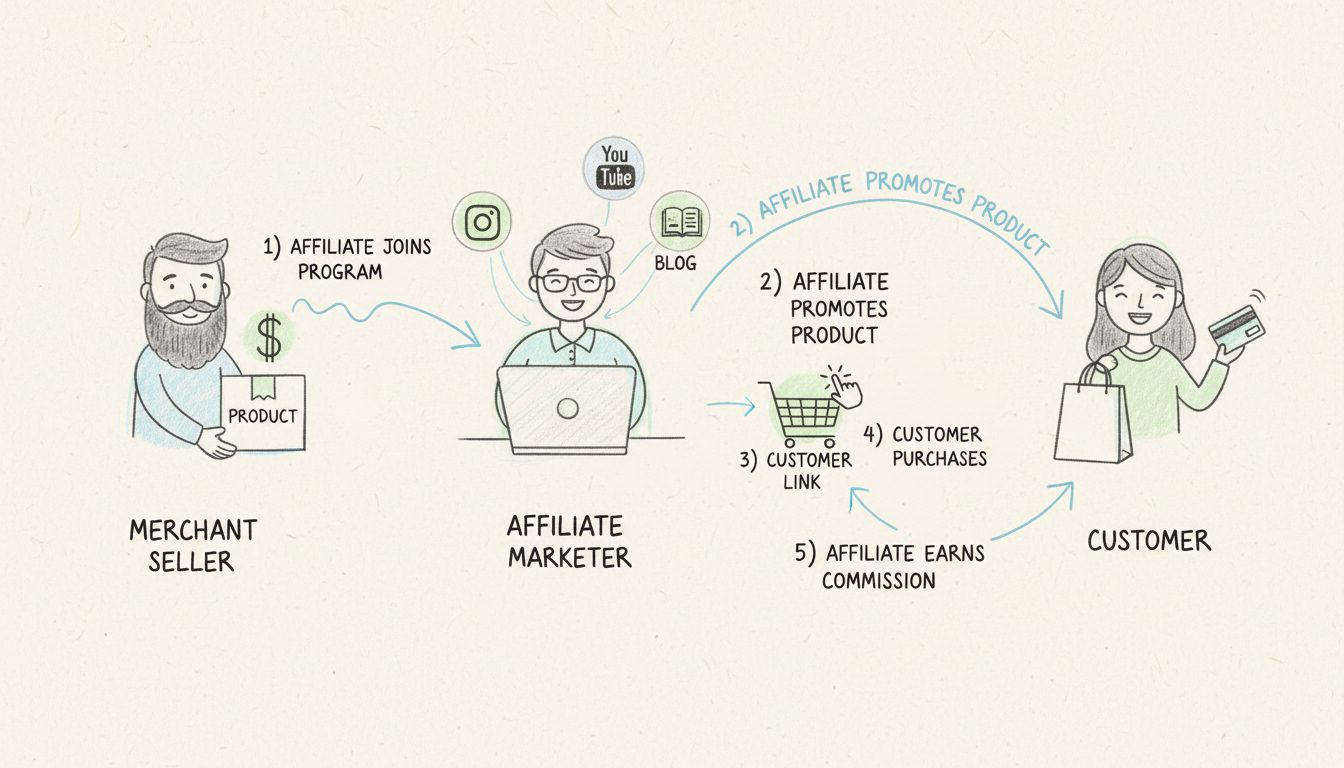
What is Affiliate Marketing and How Does It Work?
Learn how affiliate marketing works, the key players involved, commission structures, and proven strategies to build a profitable affiliate business. Updated fo...
12 min read


Learn how to structure a Valentine’s affiliate campaign using performance rewards, smart links, and strategic timelines to capture a slice of the $29.1 billion gifting market.
Let’s be honest: Valentine’s Day is often dismissed as a manufactured occasion. We all know the drill—the sudden explosion of red roses at the supermarket and the silent pressure to find a gift that says “I care” without looking like a last-minute panic buy. But for those of us in the engine room of e-commerce, this “manufactured” day is a very real, high-stakes economic powerhouse.
According to the latest annual survey released today by the National Retail Federation and Prosper Insights & Analytics , Valentine’s Day spending is projected to hit a historic $29.1 billion. This isn’t just a slight uptick; it’s a massive surge that shatters the previous record of $27.5 billion set just last year. On average, shoppers are planning to shell out $199.78 to make their partners, friends, and even their pets feel special.
For affiliate managers and e-commerce merchants, this isn’t just about hearts and chocolates; it represents a unique, high-velocity window. Unlike the prolonged “Black Friday to Cyber Monday” grind, Valentine’s Day is a sprint driven by sentiment, urgency, and the fear of showing up empty-handed. When consumer spending climbs this steeply, the window for capturing that revenue is small and the competition is fierce. If you want your brand featured in the premium gift guides and top-tier newsletters, you need a structured launchpad.
This guide provides the architectural blueprint for a high-conversion Valentine’s campaign, ensuring your program is the preferred choice for influencers and content creators.

The biggest mistake a merchant can make is launching their Valentine’s campaign on February 1st. In the world of high-traffic content publishing, February 1st isn’t the beginning; it’s almost the end. Top-tier affiliates—the ones who run high-SEO gift guides and major media publications—start mapping out their “Best Gifts for Him/Her” content as early as December.
To compete, you must operate on a T-Minus 4-Week schedule. By the second week of January, your recruitment phase should be in full swing. Reach out to your top-performing partners and offer them a “First Look” at your promotional calendar. This isn’t just about courtesy; it’s about logistics. Affiliates need lead time to design their own blogs, film TikTok unboxings, and schedule their email newsletters. If you wait until the last minute, you’ll find that their content slots are already occupied by your more proactive competitors.
By T-Minus 10 Days, search volume for “last-minute Valentine’s gifts” begins its exponential climb. This is the peak. Your infrastructure must be rock-solid, and your affiliates should already have their links live and tested. Finally, as February 14th approaches, your strategy must pivot. The window for physical shipping usually closes around the 10th or 11th. At this point, your messaging should shift toward digital-delivery goods or “self-love” pampering kits for those who missed the shipping deadline.

Set up advanced tracking in minutes. No credit card required.
To get the attention of high-traffic affiliates, your commission structure must be more than just “fair”, it must be enticing enough to shift their loyalty. During seasonal peaks, affiliates are looking for the best “Return on Effort.” If two brands offer similar products, the affiliate will almost always prioritize the one that offers a performance-based upside.
Standard flat-rate commissions are fine for year-round baseline traffic, but for high-stakes holidays, performance rewards create a powerful gamification effect. By setting escalating targets, you encourage affiliates to push your brand more aggressively to reach the next payout level. When an affiliate knows that hitting a specific volume unlocks a higher percentage, they don’t just “post and forget”—they optimize their placement, refine their copy, and actively move your brand to the top of their gift guides.
By implementing these thresholds, you ensure your “whales” (the affiliates driving the most volume) feel valued and are financially motivated to keep your brand in their top-of-page “Hero” slots. These reward structures are one of the most effective levers for building long-term loyalty with high-performers.
Affiliates, especially influencers and content creators, are often managing dozens of brand relationships simultaneously. The easier you make it for them to promote you, the more likely they are to do it. You must provide a “Creative Launchpad” within your affiliate portal that removes all friction from the content creation process.
A high-converting creative kit should include:
Be the first to know about new features and product updates.
If your tracking fails during the February spike, you don’t just lose sales—you lose affiliate trust. Trust is the hardest currency to regain in the affiliate world. Using a platform like Post Affiliate Pro allows you to execute advanced maneuvers that standard, entry-level tracking software simply cannot handle.
As the shipping window closes, conversion rates on physical products naturally plummet. However, the traffic doesn’t stop. By using Smart Links , you can automatically redirect traffic from a “Physical Gift” page to a “Digital Gift Card” page once the shipping cutoff date passes. This ensures your affiliates continue to earn commissions on every click, and your brand doesn’t waste precious holiday traffic on items that can’t arrive in time.
Exclusive, vanity coupon codes (e.g., LOVEAMANDA or CUPID20) are psychological gold. They offer a sense of exclusivity and are much easier for affiliates to share on “offline” platforms like podcasts, YouTube descriptions, or Instagram Stories where a long tracking URL might be cumbersome. Research from BigCommerce
suggests that personalized offers see higher conversion rates because they imply a curated, trusted recommendation from the creator.
Before the first wave of traffic hits, you must ensure your Affiliate Portal and landing pages are a well-oiled machine. A Valentine’s Day traffic spike is a double-edged sword: it brings revenue, but it can also expose weaknesses in your infrastructure.
Mobile Optimization: A massive portion of Valentine’s shopping happens on mobile devices. According to Forbes Advisor , improving your load speed by just one second can result in a staggering 27% jump in conversion rates. Ensure your V-Day landing pages are lightweight and responsive.
Deep Linking: Don’t force affiliates to send traffic to your homepage. Ensure your portal allows for easy “Deep Linking” so they can send traffic directly to specific categories, such as “Gifts for Him” or “Romantic Jewelry.”
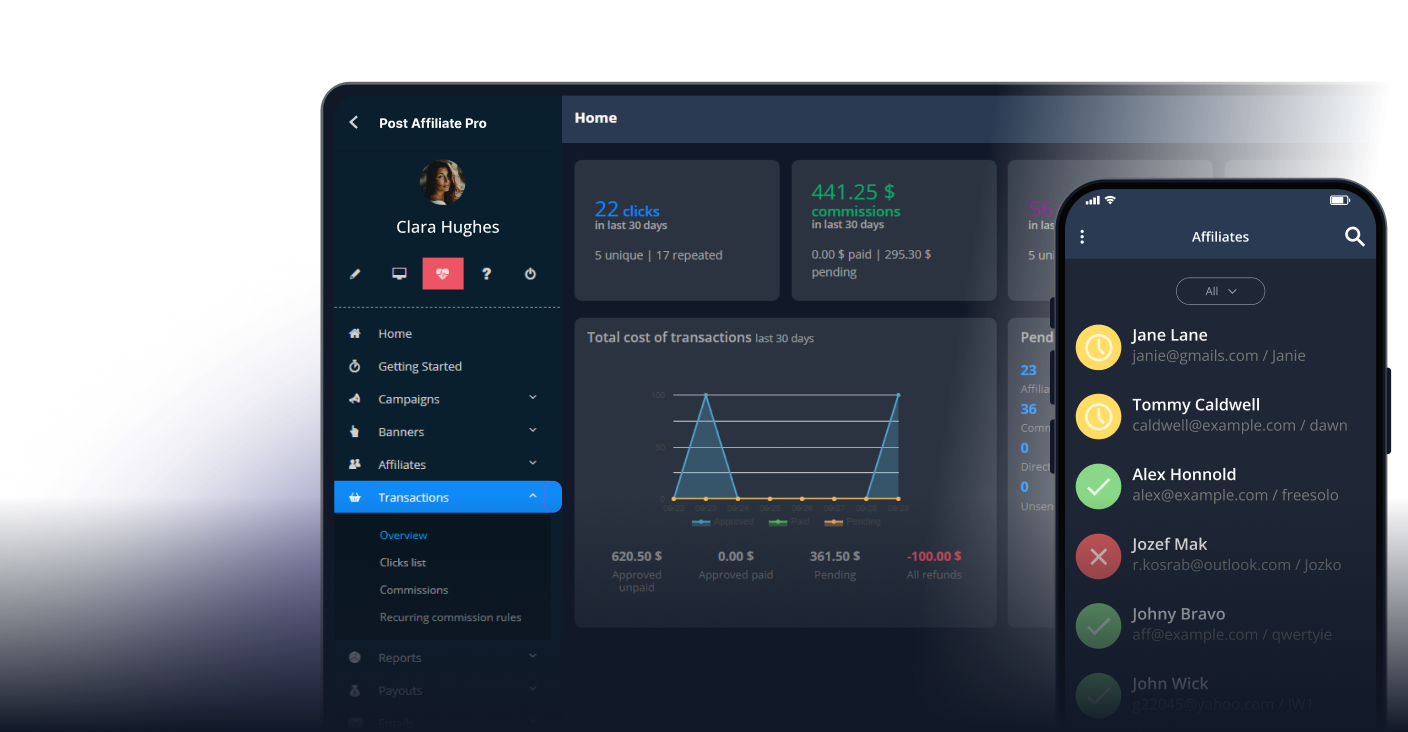
Real-Time reporting: Affiliates will be checking their dashboards daily, sometimes hourly, during the peak week. Providing transparent, real-time data builds the confidence they need to keep investing their own effort into your campaign.
At its heart, Valentine’s Day success isn’t about having the flashiest product or the loudest marketing campaign; it’s about having the most cohesive and responsive partnership ecosystem. When you provide your affiliates with the right tools at the right time, you aren’t just asking them to sell—you are empowering them to succeed.
By combining a rigorous, proactive timeline with aggressive performance rewards, you create an environment where your top performers feel both valued and motivated to give you their best real estate. When you back that up with frictionless creative assets and the surgical technical precision of a platform like Post Affiliate Pro, you do something most merchants fail to do: you remove the “work” from the partnership.
For maximum ROI, launch by the second week of January. High-SEO gift guides and top-tier influencers lock their content 3–4 weeks in advance. Waiting until February means missing out on premium placements to more proactive competitors.
Unlike static commissions, performance rewards are dynamic incentives. They automatically increase an affiliate’s commission (e.g., from 10% to 15%) once they hit specific sales milestones. This gamifies the campaign and secures better brand placement.
Use Smart Links to redirect traffic once shipping deadlines pass. Instead of losing sales on physical goods that won't arrive in time, redirect users to digital e-gift cards or printable certificates so you never miss a last-minute conversion.
Yes, especially on social media. Personalized codes (e.g., LOVE20) build higher trust and work seamlessly on Instagram and TikTok where links are often restricted. They also act as a tracking fail-safe if cookies are blocked.
Speed is critical. Improving your mobile load time by just one second can result in a 27% jump in conversions. Since most affiliate traffic originates from mobile devices, a fast-loading landing page is essential for reducing bounce rates.
Stop settling for passive traffic. Empower your partners with robust tracking and performance rewards. Launch your high-conversion Valentine’s campaign with Post Affiliate Pro today.
Learn how affiliate marketing works, the key players involved, commission structures, and proven strategies to build a profitable affiliate business. Updated fo...
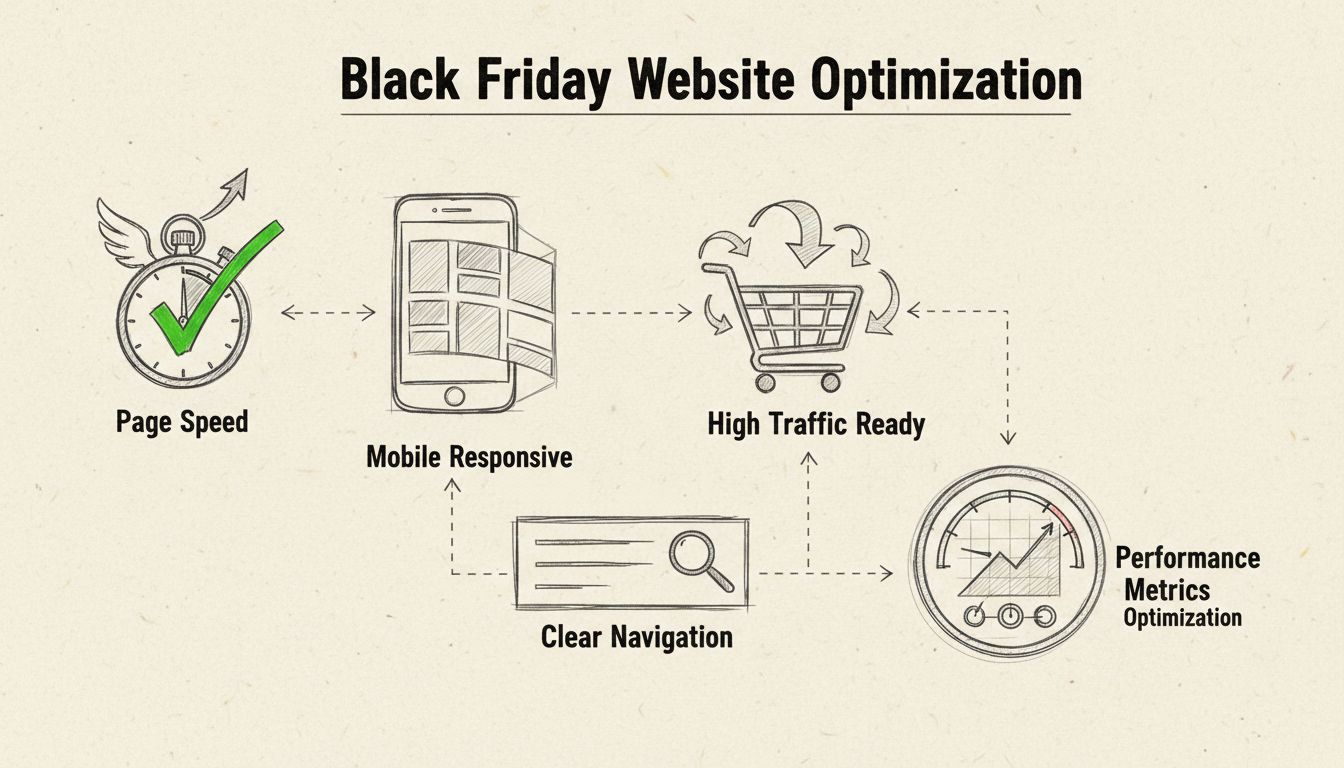
Discover why website optimization is critical for Black Friday success. Learn how fast loading speeds, mobile responsiveness, and clear navigation prevent lost ...
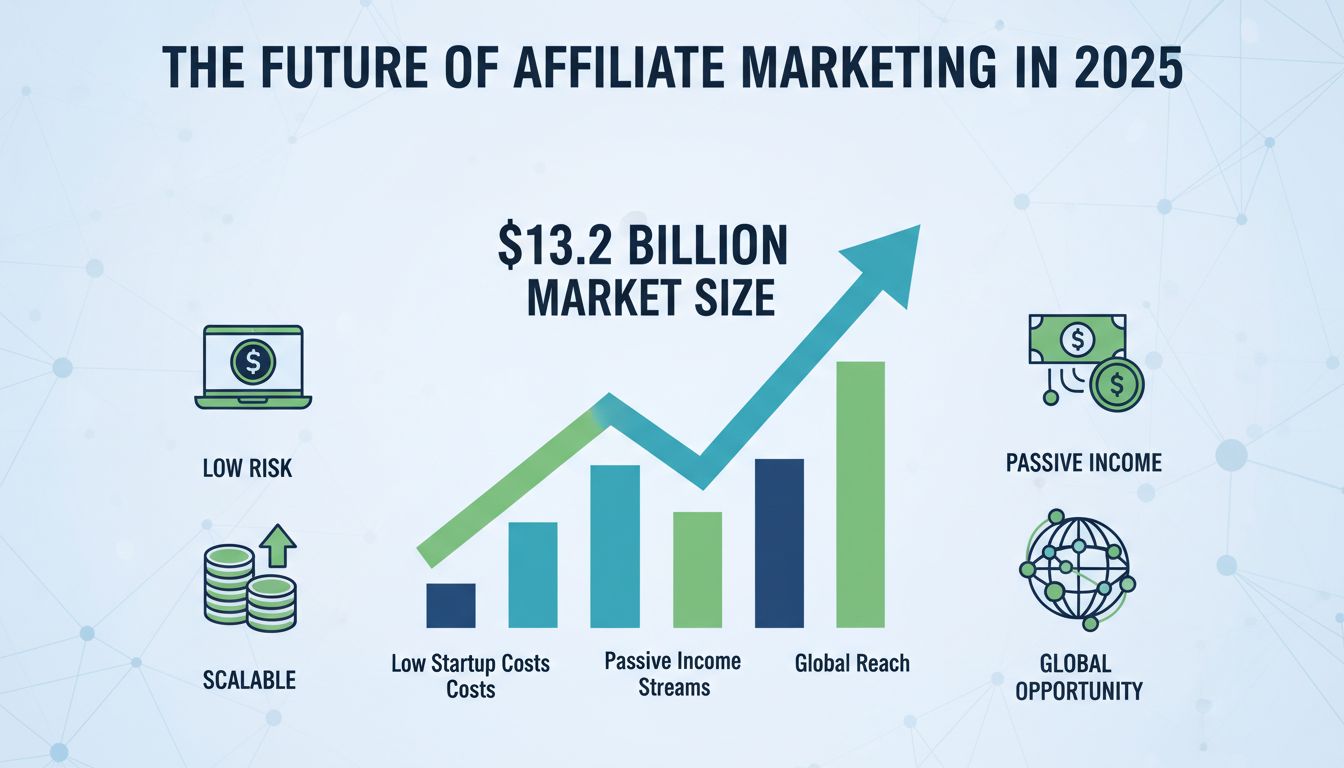
Discover why affiliate marketing is the future of online business. Learn about low startup costs, passive income potential, scalability, and market growth proje...
Join our community of happy clients and provide excellent customer support with Post Affiliate Pro.